

Why Do Kids Whine and How To Stop it!
Because it works!
When your kids whine and negotiate, they secure a big chunk of your attention.
The truth is, children only continue behaviors that work for them.
When kids whine and parents give in, kids realize that whining gets them what they want–the attention they crave and maybe even that candy bar in the grocery checkout line.
How Can You Make the Whining Stop?
Now that you know why kids whine, you can make it stop–before your ears fall off. Here are 3 steps you can start using today to curb the whining in your home:
1. Make it NOT Work
Remember the main reason why your kids whine? It works! By not giving in to whatever they’re whining for–you’ll cut back dramatically on this annoying misbehavior.
Whether you’re in the grocery store or at the dinner table, say “no,” and stick to it. If a tantrum happens, calmly let it happen in a safe place (like the car)–and your child will soon learn that whining, and even a tantrum, won’t get him what he wants. You should still help your child deal with his big feelings of disappointment, but you’re not caving into the demand.
2. Pay No (Negative) Attention
By refusing to give attention to the whining, you’ll remove a big part of the payoff. Here’s a simple 3-step training process to make it work:
Step 1: Set the Expectation
In a calm moment, tell your kids:
“You’re growing up so much! You’re big enough now to ask for what you’d like in a normal voice, without whining, AND be okay if you don’t get it. If you ask me something in a whiny voice, I will put my hands over my ears as a gentle reminder to use your regular voice. Then, you can try again with your normal voice, and I’ll be happy to talk about anything that’s on your mind.”
NOTE: You may have to do some role-playing about the difference between a normal voice and a whiny voice.
Step 2: Reveal How You Will Respond
“If you continue to use your whiny voice, I will not respond. Instead, I’ll just go about my business until you want to talk in your normal voice, and then I’ll be happy to listen.”
Step 3: Confirm Understanding
“Just so we’re on the same page, and we don’t have any surprises, let’s practice how we’ll talk to each other and what I will do if you decide to use your whiny voice?”
Okay, you’ve laid the groundwork. But, once you’ve made this bed, my friend, you MUST lie in it (don’t worry, it’ll be really relaxing before you know it).
Follow through EVERY. SINGLE. TIME. your children start to whine. Stay calm and walk away – even a negative non-verbal reaction to whining can be a payoff. When your child uses her normal voice, be sure to respond RIGHT AWAY, calmly and pleasantly.
We all know behaviors don’t develop overnight, so curbing the whining in your home can take days and even weeks to remediate. However, with a little patience, practice, and consistency, you’ll help your child kick this habit in no time.
3. Provide Proactive POSITIVE Attention
For these steps to work, you must also provide plenty of positive attention to meet your child’s need for emotional connection.
Each parent should shoot for 10 minutes of quality time every day with each child. You can play their favorite card game, shoot hoops in the driveway, or do whatever they love to do! During the special one-on-one time, ignore the email notification. Don’t respond to the text. Hold off on the dinner prep.
When you fill your child’s attention basket positively and proactively, your kids will become more cooperative and less likely to resort to whining to gain your attention.

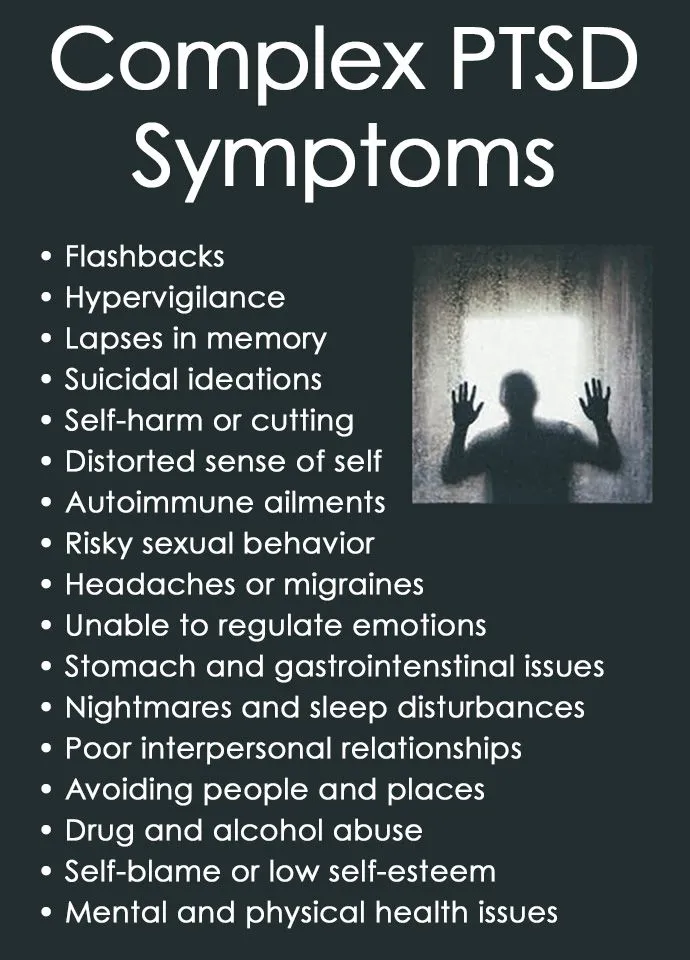
Coping with the Symptoms of PTSD/CPTSD: You don’t have to walk the Journey of Recovery alone. Here are some helpful ways to cope with some of the symptoms of PTSD/CPTSD.
Here are some direct ways to cope with these specific PTSD symptoms: Unwanted distressing memories, images, or thoughts
• Remind yourself that they are just that, memories. • Remind yourself that it's natural to have some memories of the trauma(s). • Talk about them to someone you trust. • Remember that, although reminders of trauma can feel overwhelming, they often lessen with time.
Sudden feelings of anxiety or panic
Traumatic stress reactions often include feeling your heart pounding and feeling lightheaded or spacey. This is usually caused by rapid breathing. If this happens, remember that: • These reactions are not dangerous. If you had them while exercising, they most likely would not worry you. • These feelings often come with scary thoughts that are not true. For example, you may think, "I'm going to die," "I'm having a heart attack," or "I will lose control." It is scary thoughts that make these reactions so upsetting. • Slowing down your breathing may help. • The sensations will pass soon and then you can go on with what you were doing. Each time you respond in these positive ways to your anxiety or panic, you will be working toward making it happen less often. Practice will make it easier to cope.
Feeling like the trauma is happening again (flashbacks) • Keep your eyes open. Look around you and notice where you are. • Talk to yourself. Remind yourself where you are, what year you're in, and that you are safe. The trauma happened in the past, and you are in the present.
• Get up and move around. Have a drink of water and wash your hands. • Call someone you trust and tell them what is happening. • Remind yourself that this is a common response after trauma. • Tell your counselor or doctor about the flashback(s). Dreams and nightmares related to the trauma
• If you wake up from a nightmare in a panic, remind yourself that you are reacting to a dream. Having the dream is why you are in a panic, not because there is real danger now. • You may want to get up out of bed, regroup, and orient yourself to the here and now. • Engage in a pleasant, calming activity. For example, listen to some soothing music. • Talk to someone if possible. • Talk to your doctor about your nightmares. Certain medicines can be helpful.
Difficulty falling or staying asleep
• Keep to a regular bedtime schedule. • Avoid heavy exercise for the few hours just before going to bed. • Avoid using your sleeping area for anything other than sleeping or sex. • Avoid alcohol, tobacco, and caffeine. These harm your ability to sleep. • Do not lie in bed thinking or worrying. Get up and enjoy something soothing or pleasant. Read a calming book, drink a glass of warm milk or herbal tea, or do a quiet hobby.
Irritability, anger, and rage
• Take a time out to cool off or think things over. Walk away from the situation. • Try to exercise daily. Exercise reduces body tension and relieves stress. • Remember that staying angry doesn't work. It actually increases your stress and can cause health problems. • Talk to your counselor or doctor about your anger. Take classes in how to manage anger. • If you blow up at family members or friends, find time as soon as you can to talk to them about it. Let them know how you feel and what you are doing to cope with your reactions.
Difficulty concentrating or staying focused
• Slow down. Give yourself time to focus on what it is you need to learn or do. • Write things down. Making "to-do" lists may be helpful. • Break tasks down into small do-able chunks. • Plan a realistic number of events or tasks for each day. • You may be depressed. Many people who are depressed have trouble concentrating. Again, this is something you can discuss with your counselor, doctor, or someone close to you. Trouble feeling or expressing positive emotions
• Remember that this is a common reaction to trauma. You are not doing this on purpose. You should not feel guilty for something you do not want to happen and cannot control. • Make sure to keep taking part in activities that you enjoy or used to enjoy. Even if you don't think you will enjoy something, once you get into it, you may well start having feelings of pleasure. • Take steps to let your loved ones know that you care. You can express your caring in little ways: write a card, leave a small gift, or phone someone and say hello.
How Movies Can Help Your Child with Social Skills
** Movies are about Relationships. Children enjoy movies where the characters are socially clumsy and make blatant social blunders to make the audience laugh. By watching movies such as these child with Asperger’s can see blatant social mistakes and often there is a character who is trying to teach or show that character a different way of doing things. Visual reinforcement and learning are great tools for kids.
- Toy Story –G
- Jimmy Neutron Boy Genius –G
- Polar Express –G
- Adventures of Elmo in Grouchland – G
- Willie Wonka and the Chocolate Factory – 1971 version –G
- That’s So Raven –TV- G
- Third Rock from the Sun
- Mork and Mindy
- Mr. Bean –PG
- Bicentenial Man –PG
- My Stepmother is an alien –PG
- Starman –PG
- Enciono Man- PG
- Mean Grls –PG13
- Billy Madison PG13
- The Cable Guy – PG13
- Ace Ventura Pet Detective – PG13

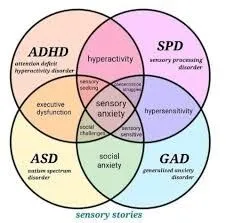
Would you believe 80% of people with sensory processing difficulties have anxiety?
That is a really high number of individuals walking around who are uncomfortable in both their own skin and in their emotions! Sensory Processing Disorder can impact so many different aspects of someone’s life, yet it is often overlooked. Anxiety is enough to process on its own but if you add the parts of the 5 senses being dysregulated it can be very debilitating. Both disorders affect all ages and stages of life. I great resource for gathering more information are the books “The out of Sync Child” ,“The out of Sync Child grows up” and Growing an In-Sync Child”. Supplemental knowledge with simple mental and physical activities is a great path to success and comfort.
It’s not uncommon for children to be diagnosed with anxiety disorder, only to have their parents wonder why the medication they were prescribed doesn’t seem to help. Not all children with anxiety have sensory issues, of course. But it is nearly impossible to effectively treat anxiety with medication only if the child also has sensory issues because the underlying cause of the anxiety isn’t being addressed.
How are sensory issues connected to anxiety?
We all experience the body’s “fight or flight” response from time to time but imagine if your sensory system sent “fight or flight” alert messages constantly. If incoming information is confusing, not enough, or too much, this sends mixed messages. These mixed messages can lead to fear, worry, refusal, maladaptive behaviors, or perseverative thinking, which are all symptoms of anxiety. Physical symptoms of anxiety can include stomachache, headache, nausea, vomiting, extreme fatigue, or hives/rash.
Imagine someone who is invited to a party with unfamiliar people. Some concerns ahead of time might include the following:
- What if I don’t like it?
- What if my friends aren’t there?
- What if I am not wearing the right clothes?
- What if I make a fool of myself?
- What if they don’t have any food I like?
- What if I want to go home and my ride is not ready to go?
- What if they have loud music or a scary dog?
The list of worries can go on and on, so much so that the brain literally feels on fire with thoughts. He can then either choose to fight through it and go forward despite his anxiety or refuse to go. If he fights through the anxiety, he will remain on high alert the entire time waiting for something to happen or will respond negatively to sudden unexpected stimuli.
Simple everyday experiences can feel so overwhelming to someone whose sensory system is sensitive and over-firing. Sounds, sights, smells, touch, movement, feelings, and emotions all can stress the body’s sensory system and lead to anxiety. What appears to the average person to be a fun outing can feel exhausting to someone with sensory processing disorder.
How to Manage my Emotions:
Try using the Path Technique-
P.A.T.H.
1. PAUSE – Close your eyes: count to 10 & take 5 deep breaths.
2. ACKNOWLEDGE – Whatever you’re feeling it’s OK to feel that way. Use your emotions wheel to name primary and secondary emotions.
3. THINK – Think about how you can make yourself feel better.
4. HELP – Take Action. Boost your mood (Play with pets, watch a movie you love. Address your basic needs. (Take a nap or shower to feel better afterwards). Process your feelings. Punch a pillow or scream in private. Let myself cry. Share feelings out loud or write them down. Hobbies/Stress Relievers. (Get active, paint) Relaxation. (Listen to music, go for a walk)

26 Phrases to Calm an Angry Child/Teen
Whether your child has a slow-burning fuse or explodes like a firecracker at the slightest provocation, every child can benefit from anger management skills. As parents, we lay the foundation for this skill set by governing our own emotions in the face an angry outburst. Next time you are dealing with a tantrum from a toddler, or cold shoulder from a teen, put your best foot forward by trying one of these 26 phrases:
- Instead of: Stop throwing things! Try this: When you throw your toys, I think you don’t like playing with them. Is that what’s going on?
This speaker/listener technique is designed to help communicate feelings in a non-confrontational manner. Not only does this keep the lines of communication open, you are modeling how to phrase a situation from your perspective, which in turn gives your child a chance to rephrase events in his (her) perspective.
- Instead of: Big kids don’t do this! Try this: Big kids and even grown ups sometimes have big feelings. It’s OK, these feeling will pass.
Let’s be honest. The older your kids get, the bigger the problems they face, the bigger the feelings they have. Telling them that big kids don’t experience anger, frustration, or anxiety is simply untrue. It also encourages children to avoid or quash emotions and prevents processing them in a healthy manner.
- Instead of: Don’t be angry! Try this: I get angry too sometimes. Let’s try our warrior cry to get those angry feelings in check.
A recent study reveals that yelling when we are physically hurt can actually interrupt pain messages being sent to the brain. Although your child may not be in pain per se, a warrior cry can work to release angry energy in a playful manner. Choose a warrior cry or mantra together with your child (think of William Wallace from the movie Brave Heart screaming “Freeeeeeeeeeeeeeeeedom!”).
- Instead of: Don’t you dare hit! Try this: It’s OK to be angry, but I won’t let you hit. We need to keep everyone safe.
This gets the message firmly across that the emotion is okay, but the action is not. Separating the two will help your child learn to do likewise.
- Instead of: You’re being so difficult! Try this: This is a tough one, huh? We’re going to figure this out together.
When children are digging in their heels, it is important to understand why. This phrase reinforces the idea that you are on the same team, working toward the same goal.
- Instead of: That’s it, you’re getting a time out! Try this: Let’s go to our calm down space together.
This flips the script of “time out” to “time in,” allowing for reconnection instead of isolation.
- Instead of: Brush your teeth right now! Try this: Do you want to brush Elmo’s teeth first or yours?
For toddlers, tantrums are a way to exert control over their environment. This way, you are offering your toddler a choice, and in turn, some control.
- Instead of: Eat your food or you will go to bed hungry! Try this: What can we do to make this food yummy?
This places the responsibility of finding a solution back on your child.
- Instead of: Your room is disgusting! You are grounded unless this gets clean. Try this: How about we just start cleaning this itty bitty corner of your room? I’ll give you a hand.
In lieu of focusing on the overwhelming task of cleaning up a huge mess, shift the goal to simply starting. Starting an undesirable task can provide the impetus and momentum to continue.
- Instead of: We. Are. LEAVING! Try this: What do you need to do to be ready to leave?
Allow children to think through processes for the transitions in their lives. This helps avoid a power struggle and it gives them a chance to signal to their minds that they are making a transition to a new activity. This is also an excellent routine to role-play when you are not actually going anywhere.
- Instead of: Stop whining! Try this: How about a quick “do over” in your normal voice?
Sometimes kids whine and don’t even realize it. By asking them to rephrase in a normal tone, you are teaching them that the way they say things matters.
- Instead of: Stop complaining! Try this: I hear you. Can you come up with a solution?
Again, this places the responsibility back on the child. Next time your child is complaining non-stop about school/dinner/siblings, ask her to brainstorm solutions. Remind her there are no wrong answers, and the sillier she is, the better.
- Instead of: How many times do I have to say the same thing??? Try this: I can see you didn’t hear me the first time. How about when I say it to you, you whisper it back to me?
Having your child repeat back what he hears solidifies your message. Varying the volume adds an element of fun to the request.
- Instead of: Stop getting frustrated! Try this: Is that ___ too hard right now? Let’s take a break and come back to it in 17 minutes.
It sounds random, but a research-based formula for productivity is to work for 52 minutes, break for 17. By taking a break from task-related stress, you come back to it ready to begin again, focused and more productive than before. The same concept applies to homework, practicing the piano, or playing a sport.
- Instead of: Go to your room! Try this: I’m going to stay right here by you until you’re ready for a hug.
Again, isolation sends the message that there is something wrong with your child. By giving her space until she is ready to re-engage, you are providing reassurance that you will always be there for her.
- Instead of: You are embarrassing me! Try this: Let’s go somewhere private so we can sort this out.
Remember, it’s not about you. It’s about him and his feelings. By removing both of you from the situation, you are reinforcing the team effort without drawing attention to the behavior.
- Instead of: (Sighing and rolling your eyes) Try this: (Make eye contact, remember your child’s greatest strengths, and give her a compassionate smile.)
Practice keeping it in perspective by seeing the strengths in your child.
- Instead of: You are impossible! Try this: You are having a tough time. Let’s figure this out together.
Always, always separate the behavior from the child, reinforce the emotion, and work together to come up with a solution.
- Instead of: Stop yelling! Try this: I’m going to pretend I’m blowing out birthday candles. Will you do it with me?
Deep breathing helps restore the body to a calm state. Being playful with how you engage in the breathing hastens cooperation. For older children, ask them to breathe with you like Darth Vadar does.
- Instead of: I can’t deal with you right now! Try this: I’m starting to get frustrated, and I’m going to be right here calming down.
Teach children how to label and govern their emotions by modeling this in real time.
- Instead of: No hitting! Try this: I love you. I need you to understand that it is not okay to ____. Is there anything you need me to understand?
This keeps the lines of communication open while expressing the emotion in a healthy way. You want your child to remember it’s OK to feel the emotion, but not act out physically.
- Instead of: I am at the end of my rope! Try this: If green is calm, yellow is frustrated, and red is angry, I’m in the yellow zone headed toward red. What color are you? What can we do to get back to green?
Give children a visual to express how they are feeling. It may surprise you what they say, and what kind of solutions they comes up with to change their direction.
- Instead of: I am NOT changing it! Try this: I’m sorry you don’t like how I ___. How can we do better next time?
Shifting the focus from the event to the solution eliminates the power struggle associated with digging in your heels about the event.
- Instead of: Stop saying “No!” Try this: I hear you saying “No.” I understand you do not want this. Let’s figure out what we can do differently.
By acknowledging your child’s “No,” you are de-escalating the situation. Rather than arguing yes/no, change the script to focus on the future and the prospect of a solution.
- Instead of: Stop overreacting! Try this: You are having a big reaction to a big emotion. If your emotion had a monster’s face, what would it look like?
When kids are tired, hungry, or overstimulated, they are going to overreact. Putting a face to the emotion externalizes the issue and allows children to respond to their inner monologue of anger. This subsequently helps them exercise control over the emotion.
- Instead of: Just stop! Try this: I’m here for you. I love you. You’re safe. (Then, sit in stillness with your child and allow the emotion to rise up and pass.)
When children are in the throes of anger or panic, often their bodies are experiencing a stress response whereby they literally feel unsafe. Letting them know they are safe supports them until the discomfort passes. This is a vital skill of resilience.
Want to find a good way to get worries and negativity out of your head and away from your body? Try the Container Exercise!! I utilize this exercise a lot with my Clients for EMDR or who struggle with Trauma Work and Anxiety.
Some of the Pros of the “Container Exercise:
· Emotional Regulation: It helps you regulate and manage overwhelming emotions. It provides a structured way for you to temporarily set aside distressing emotions. It allows you to move forward with the therapeutic process without becoming flooded.
· Increased Sense of Control: Creating a mental container is empowering. It gives you a sense of control over your emotional experience. It allows you to decide when and how you want to engage with difficult emotions.
· Flexible and Portable: It is a flexible and portable metaphorical tool. You can use this in technique in many different situations! It can be adapted to different contexts and scenarios. You can use it inside and outside therapy sessions.
· Prevents Retraumatization: By providing a structured way to set aside distressing material, the container exercise helps prevent retraumatization during EMDR . You can revisit traumatic memories in a controlled manner. This minimizes the risk of becoming overwhelmed.
Container Exercise
- Identify Difficult Emotions: Think about the emotions, thoughts, sensations or memories that are challenging for you. Identify what you want to temporarily set aside in your container.
- Create Your "Container": In your imagination, allow the perfect container to come to mind. It should be big enough and strong enough to hold your emotion, etc. It could be a box, a shipping container, or anything that’s secure. Picture it clearly, noting its size, color, and any details that come to mind.
- Designate the Purpose: Understand that this container is a safe place to store overwhelming emotions, etc. It acts as a protective space where you can set aside things that are too intense to deal with at the moment.
- Place Thoughts in the Container: Imagine taking each challenging thought or emotion and how it would go into the container. Visualize this process, seeing them being stored safely inside.
- Secure the Container: Once all the difficult thoughts and emotions are inside, securely close and lock the container. Visualize this action, symbolizing that these emotions are contained and won't overwhelm you at the moment.
- Visualize the Safe Storage: Picture your container in a safe and protected space. This could be on a shelf, in a room, or any place where you feel it is secure and out of reach.
- Somatic Linking: Notice what you observe in your body as the container is securely closed. Acknowledge the sense of relief and safety in knowing that you have a designated space for these emotions when you need it.
- Return When Ready: Understand that this container is always accessible to you. Whenever you feel prepared to address those challenging emotions, etc you can come back. You can unlock the container and process them in a more controlled and supported manner.
- Practice Self-Compassion: Be gentle with yourself throughout this exercise. Acknowledge that it's okay to set aside difficult emotions temporarily. You can address them when you feel ready and supported.
5 Amazing Mental Health Apps to support your child:

Exit plans for teens: “X” and many more! Keeping kids safe doesn’t have to mean social destruction!!
An "exit strategy" for teens refers to a plan or set of tactics they can use to safely leave a situation that makes them feel uncomfortable, pressured, or unsafe, often involving a code word, a designated safe person to contact, or a simple excuse to remove themselves from the situation; it's important to teach teens to trust their gut feeling and prioritize their personal safety when navigating social situations.
Key elements of a teen exit strategy:
Code words or phrases:
Establish a secret phrase or code word with trusted adults that signals they need to be picked up immediately or need help leaving a situation.
Safe adults to contact:
Identify a few trusted adults (parents, close family members, or responsible friends) who can be contacted in case of an emergency and are willing to pick them up without questions.
"Fake" excuses:
Practice having plausible excuses to leave a situation, like needing to use the bathroom, getting a call from a parent, or having to go home early due to a prior commitment. We use “I’m coming down with the flu”
Assertive communication:
Learn to confidently say "no" and politely decline participation in activities that make them uncomfortable.
Body language:
Pay attention to body language cues that indicate discomfort, like crossed arms, avoiding eye contact, or fidgeting.
Trust your gut:
Encourage teens to listen to their intuition and leave a situation if it feels unsafe, even if it means going against peer pressure.
Specific exit strategies for different situations:
At a party:
Pretend to get a call or text from a parent needing them to come home.
Mention needing to check in with a sibling or responsible adult.
Excuse yourself to get a drink or use the bathroom, then discreetly leave.
To avoid drinking situations your child can say “It interferes with medication they are taking” “I even know of some kids who state “My parents drug test me every week and if I come up positive I am grounded and lose privileges”
With friends who are pressuring them:
Say you need to take a break and go for a walk.
Express your discomfort with the activity and state your intention to leave.
Suggest doing something else that is more aligned with your comfort level.
Online interactions:
Block users who make them feel uncomfortable.
Inform a trusted adult about concerning online interactions.
Immediately log off and remove yourself from the conversation if needed.
Important points to remember:
Open communication:
Have regular conversations with your teen about safety and encourage them to talk openly about situations where they might need to use an exit strategy.
Practice scenarios:
Role-play different situations where your teen might need to use an exit strategy to help them feel prepared.
Empowerment:
Teach your teen that it's okay to prioritize their safety and leave any situation that makes them feel uneasy.
Using the letter X is based on the X-Plan book by Bert Fulks which helps kids quickly let a parent know they're in trouble and need help, but can't speak in that moment to explain.
There are lots of different ways to implement an exit plan with your child. One common option is the X Plan- here’s how it works:
- You and your child have an honest conversation about some situations they could find themselves in where they may become uncomfortable and want to leave. This could be a small gathering that suddenly becomes much larger, or a party with alcohol and other drugs.
- You and your child decide on an easy phrase that they can message to you if they want to get picked up. In this example, that would be just the letter X. Choose something together that is clear and works for both of you.
- After receiving this message, you immediately call or text your child and tell them that there is a family emergency and you need to come pick them up right away.
- Your child can now place the blame for having to leave on you and the emergency, instead of on the party or alcohol. This relieves some pressure they may feel in front of their peers, and allows them to exit more easily.
- Make sure you talk beforehand about what will happen after you have picked up your child. It’s important to discuss with your child about whether you’ll ask questions or pry for details if they use this plan – many kids are more likely to use an exit plan if they know they won’t face a ton of questions at pickup. Those conversations can always wait until you both have had time to process the situation.
Helping children and teens develop effective exit strategies for handling peer pressure is essential for their ability to make healthy, independent decisions. Here are some practical strategies and tips for resisting peer pressure:
1. Prepare and Practice Saying No
- Use Simple Refusals: Teach your child that it’s okay to say “No, thanks” or “I’m not interested.” Simple, direct refusals can be effective.
- Practice Scenarios: Role-playing different situations can help your child feel more confident in saying no when the time comes. For example, practice how they might refuse an invitation to do something they’re uncomfortable with.
2. Blame an Authority Figure
- Use Parents or Teachers as Excuses: Encourage your child to say things like, “My parents would kill me if I did that,” or “My coach said I can’t do that if I want to stay on the team.”
- Safety First: Make sure your child knows that using you as an excuse is always acceptable, and reassure them that you’ll back them up.
3. Change the Subject or Suggest an Alternative
- Redirect the Conversation: Teach your child to change the topic or suggest doing something else, like, “Let’s go play basketball instead” or “How about we watch a movie?”
- Offer Positive Alternatives: Encourage your child to propose activities that are fun but safe, which can steer the group away from harmful behaviors.
4. Use Humor
- Defuse the Situation: Humor can be a powerful tool. Teach your child to use light-hearted jokes to deflect pressure, like, “I’d rather not get grounded for life, thanks!” or “Nah, I’m too boring for that.”
- Make It Fun: Using humor can help your child avoid confrontation and make saying no feel less awkward.
5. Stick to a Script
- Have a Go-To Response: Encourage your child to develop a standard response they’re comfortable using, such as “I’m good, I don’t do that” or “No thanks, I’m not into it.”
- Repetition Works: Teach them that repeating their script firmly can help shut down further pressure.
6. Use the Buddy System
- Have a Friend for Backup: Encourage your child to stick with friends who share their values and will support their decisions. It’s easier to resist peer pressure when they’re not alone.
- Make a Pact: Suggest that your child and a close friend agree to look out for each other and stand up for one another in tricky situations.
7. Create an Exit Plan
- Plan an Escape Route: Teach your child to have a plan for how to leave a situation if they’re feeling uncomfortable. This could be as simple as saying they need to leave or pretending they have somewhere else to be.
- Use a Code Word: Establish a code word that your child can text or say to you or a trusted adult if they need an excuse to leave a situation.
8. Avoid Risky Situations
- Stay Out of Trouble Zones: Encourage your child to avoid places or situations where they know they might face peer pressure, like unsupervised parties or hanging out with friends who engage in risky behaviors.
- Choose Friends Wisely: Help your child understand the importance of surrounding themselves with friends who respect their choices and won’t pressure them into doing something they don’t want to do.
9. Assert Confidence
- Be Firm: Teach your child to stand up straight, make eye contact, and use a firm voice when saying no. Confidence can deter others from pressuring them further.
- Self-Respect: Remind your child that respecting themselves and their values is more important than fitting in.
10. Use Technology
- Pretend to Get a Call or Text: If your child feels pressured, they can use their phone as a distraction, pretending they need to respond to a text or take a call as a way to remove themselves from the situation.
- Call for Help: Encourage your child to call or text you or a trusted adult if they need help getting out of a situation.
11. Know It’s Okay to Walk Away
- Remove Themselves from the Situation: Teach your child that it’s okay to simply walk away from a situation that makes them uncomfortable. They don’t owe anyone an explanation for protecting their well-being.
- Safety in Distance: Remind them that it’s better to leave than to stay in a situation that doesn’t feel right.
12. Reinforce Positive Decision-Making
- Praise and Support: When your child successfully navigates a peer pressure situation, praise them for their decision. Positive reinforcement helps build confidence in their ability to make good choices.
- Reflect and Learn: Encourage them to talk about their experiences and what they learned. This helps reinforce their skills for future situations.
Conclusion
By equipping your child with these exit strategies and supporting them in practicing them, you help them build the confidence and resilience needed to handle peer pressure effectively. The goal is to empower them to make choices that align with their values and keep them safe, both physically and emotionally.

30 Ways to stop an anxiety or Panic Attack:
Anxiety attacks can be powerful and unnerving experiences that are accompanied by a few to many symptoms. But we can control, stop, and prevent panic and its symptoms with practice. The more you practice, the more proficient you become at ending them. As your proficiency increases, so will your confidence. As your confidence builds, anxiety attacks, panic, and their symptoms become a non-issue. Eventually, your skills will become second nature and your struggle with anxiety attacks, panic, and their symptoms will end.
If you haven’t yet read the above information about anxiety attacks, their symptoms, and causes, we recommend you do before reading further. The above information will give you a necessary foundation that will help you use the following stopping and prevention strategies.
If you've done that, here are 30 ways you can stop anxiety attacks and panic attacks naturally any time you want and anywhere you want:
1. Recognition
When an anxiety attack starts, recognize the body has triggered a high degree stress response that causes the secretion of a high volume of stress hormones to enter the bloodstream. Once in the blood, stress hormones bring about many body-wide changes that enhance the body’s ability to deal with a threat – to either fight or flee. These changes will persist until the body uses use the stress hormones, which can take between a minute or so to 30 minutes or more depending on the degree of stress response that was activated.
Remember, the degree of stress response is directly proportional to the degree of anxiety. Higher degrees of anxiety will produce higher degree stress responses with higher volumes of stress hormones that will take longer for the body to use up.
Nevertheless, the stress hormones will be used up and the anxiety attack will end. Understanding this, and accepting that this is a normal part of the body’s survival mechanism, can help put anxiety attacks and panic into proper perspective.
2. Give Your Body Time To Calm Down
As mentioned, once stress hormones have entered the bloodstream, they will bring about their body-wide changes. Stress hormones are stimulants, which is why we feel stimulated during anxiety and panic attacks. However, as the body uses up these stress hormones, their stimulating effects diminish, and eventually the body will calm down.
Once you’ve recognized a high degree stress response has occurred, remain patient as the body uses up the stress hormones and moves toward calming down.
The body will calm down naturally as it uses up the remaining stress hormones!
3. The Stress Response Is Supposed To Feel Powerful
The body’s survival mechanism is supposed to feel powerful so that it motivates you to take immediate action – to either fight or flee. In its effort to keep you safe from harm, the stress response will boost your energy, increase your sense of danger and reactivity to danger, and create a sense of urgency to escape.
If these body-wide changes feel overwhelming, they’re supposed to. This means your body is doing its job in response to the perception of danger.
Choosing to not react to this strong feeling will allow the stress hormones to be used up and the body to return to its pre-stress response state.
Don’t mistake the strong feelings of an anxiety attack as being the SOURCE of danger, but rather the body’s automatic survival response TO danger.
The body’s emergency response is not something we need to fear. It’s a reaction to danger, not the source of danger.
4. The Strong Feelings Of A Panic Attack Aren’t Dangerous
Even though the symptoms and feelings associated with a panic attack can feel strong, they aren’t dangerous. These strong feelings are merely reflecting the many changes a high degree stress response brings about.
So, don’t misconstrue anxiety and panic attacks as being dangerous. View them as merely being a survival response to the perception of danger. In this case, your body is doing what it’s supposed to when you are anxious or chronically stressed. This is normal and needn’t be a cause for concern.
5. Anxiety Attacks Aren’t A Sign Of A Medical Emergency
If your anxiety attack or panic was caused by apprehensive behavior or chronic stress, and not because of a medical reason, the attack isn’t dangerous or harmful. It’s just the body’s way of trying to protect you from harm or reacting to being chronically stressed. You don’t have to react to an anxiety attack as if the attack itself is dangerous…because it isn’t!
Anxiety attacks occur in response to apprehensive behavior or chronic stress. You don’t have to be afraid of or worry about anxiety attacks.
6. You Won’t Lose Control
Even though a strong anxiety attack can make it seem like you could lose control, you won’t because you are always in control of your thoughts and actions.
One way to test this is to have something with you, such as your mobile phone, that you can pull out and look at any time you feel an anxiety attack starting. You’ll find that you can look at your phone any time you want even though your body is stimulated from a high degree stress response.
Reminding yourself that you are always in control of your thoughts and actions can remove the fear of being out of control that so often causes anxiety attacks to sustain.
7. The Stress Response Is Our Ally, Not Our Foe
The stress response is an essential part of the body’s survival mechanism. It’s designed to protect us, not harm us. So, there’s nothing to be afraid of. The stress response and the many body-wide changes it causes is just the body’s way of doing its job. While it’s doing its job, we can experience many strong sensations and feelings until the job is completed and the body reverts to pre-emergency alarm state.
8. Reframe Anxious And Dramatic Self-talk
Most anxiety and panic attacks are caused and sustained by apprehensive and dramatic self-talk. Because the brain responds to the words and thoughts we use as if they are true, every time we think anxiously and dramatically, the body is going to respond accordingly.
For instance, if you think, “I can’t stand this, I’m doomed!” Your brain will believe you ARE doomed and will trigger a corresponding emergency alarm. Even though you may not be actually doomed, your body will respond as if you are.
Just as we can think anxiously and dramatically that causes dramatic stress response reactions, we can also reframe those thoughts into self-talk that is calming, reassuring, and soothing. Reframed self-talk will also cause the body to respond but in a calming and soothing manner rather than a fearful and stimulating manner.
Reframing self-talk can quickly shut off an anxiety attack. Then, it’s only a matter of time until the body uses up the remaining stress hormones and calms down.
Take some time and identify all of the ways you think anxiously and dramatically, then come up with less dramatic ways of expressing yourself. I (Jim Folk) think you’ll be surprised at the difference less dramatic language makes.
9. Calm And Soothe Yourself
Yes, you can calm and soothe yourself. While you might feel you can’t, that’s most often because you either don’t know how or haven’t become practiced enough for it to become second nature.
As mentioned earlier, just as we can scare ourselves into panic using anxious and dramatic self-talk, we can also calm ourselves by using calming and soothing language and thoughts. That’s because the mind/body connection requires that the body directly follow our thought-life. When we use calming and soothing self-talk and mental imagery, the body HAS TO respond accordingly.
Yes, it might take some time for the body to use up the remaining stress hormones once they have entered the bloodstream, but the body will use them up and then calm down as you use calming and soothing self-talk and mental imagery.
Here is an example of how to calm and soothe yourself: Imagine how you would calm and soothe a young child who is in distress. Then, apply that same approach to yourself.
For instance, you can say calming things to yourself such as, “It’s okay, you’ll be fine. You aren’t in any danger. Calm down. You’ll feel better in just a few minutes.”
Or, “I know an anxiety attack can feel strong, but it’s not dangerous and it won’t hurt you. Calm down and relax. These strong feelings will pass in a few minutes and you’ll feel fine again.”
Or, “Anxiety attacks aren’t dangerous even though they can feel strong. They are the body’s natural way of protecting itself. Calm down and relax. These strong feelings will end in a few minutes and you’ll feel fine again.”
Or, “You’re going to be okay. You don’t have to worry. You aren’t in any danger. These strong feelings will pass as your body calms down.”
Or, “Hang on for a few more minutes. It’s going to be okay shortly. You aren’t in any danger. You’re going to be okay!”
When you affirm yourself in a soft, reassuring, gentle, and encouraging tone, your body will respond accordingly. Some people also find it helpful to gently hug and rock themselves while using calming and soothing self-talk. Then, within a few minutes, the attack begins to subside as the body uses up and expels the remaining stress hormones.
Learn how to calm and soothe yourself, and then practice until calming and soothing becomes second nature. Becoming confident in your ability to calm and soothe yourself will give you an important skill that can not only shut off anxiety attacks anytime you want but it can also prevent anxiety attacks from starting.
Learning to calm and soothe yourself is one of the main anxiety-busting skills that can benefit you over your lifetime. Self-calming and self-soothing are skills well-worth learning and developing proficiency.
10. Anxiety And Panic Attacks Always End
Anxiety attacks are based on one or a series of stress responses that were triggered by apprehensive behavior (the ways we think and act). You can stop anxiety attacks anytime by stopping apprehensive behavior and working to calm your body.
Even if your anxiety attack was an involuntarily attack, it will still end. No panic attacks go on forever. Yes, you can keep them going via apprehensive behavior. But the minute you stop apprehensive behavior, the stress alarm ends. Then, it’s only a matter of time until the body uses up or expels the remaining stress hormones and you feel better.
11. Relax Your Body
Relaxing your body stimulates the PNS, the nervous system responsible for calming the body. The more relaxed you can make yourself feel in spite of the symptoms associated with the stress response, the easier it is for your body to calm down.
Remember, the SNS and PNS work in opposition to each other. When we stimulate one, the other is subdued. Stimulating the PNS will subdue the SNS, which will lead to calming down and ending the anxiety attack.
One way to relax your body is by making it feel as loose and heavy as possible. You can think of it similar to how ice slowly melts and oozes onto the floor when heated. Any imagery you can think of that makes your body feel very relaxed can help shut off anxiety attacks and their symptoms.
Relaxing muscles can also help the body relax. Using a progressive muscle relaxation visualization can help release tight muscles and make them loose and relaxed.
12. Imagine Peaceful And Calm Imagery
Even though anxiety attacks can feel powerful and be accompanied by strong symptoms and feelings, we can still focus our mind on other types of thoughts. Dwelling on thoughts that scare you will continue to trigger stress responses that stimulate the SNS, which will prolong an anxiety attack episode.
Conjuring up thoughts of peace and calm will stimulate the PNS, which will suspend the stress response and bring an end to an anxiety attack in time…as the body uses up or expels the remaining stress hormones.
Therefore, you can end an anxiety attack merely by changing your thinking. One way to do this is by imagining a peaceful and pleasing environment, such as sitting by a serene lake, or reclining in a beautiful and quiet garden, or sitting on the beach and watching a beautiful sunset over the ocean, and so on. Imagining peaceful and calm imagery will suppress the SNS and lead to calm as the body quiets down.
Yes, it might take several minutes for the body to gear down and adapt to a change in mental imagery, but it will if you persist with the peaceful imagery and give your body sufficient time to respond.
13. Distract Yourself
Since most anxiety attacks are caused by distressing thoughts, distracting yourself with something interesting can shut off the thoughts that triggered the panic attack. Distraction can also prevent other thoughts from triggering additional stress responses and anxiety attacks. Finding things you are interested in and enjoy can be especially helpful not only in ending anxiety and panic attacks but also in reducing anxiety and stress overall, which also contribute to ending and preventing anxiety attacks and their symptoms.
14. Relaxed diaphragmatic breathing can stop anxiety attacks
Relaxed breathing – breathing with your abdomen – stimulates the PNS, the nervous system responsible for calming the body. As you stimulate the PNS, it suppresses the SNS, the nervous system that is stimulated by stress hormones.
Relaxed breathing also stimulates the vagus nerve that also works to calm the body. Both of these actions serve as the body’s natural tranquilizer that is more effective than any medication we can take. Learning how to activate the body’s natural tranquilizing effect can provide a lifetime of natural calm.
Furthermore, as you relax breathe, your body shuts off the stress alarm and the remaining stress hormones are used up or expelled. In as little as 20 minutes, you can feel much better as the stress response ends and your body returns to normal physiology.
Yes, you can still feel geared up when you start to relax breathe, but as you persevere, your body HAS TO calm down. Then, it’s only a matter of time until you feel better.
Relaxed breathing ISN’T deep breathing. Relaxed breathing is breathing a little deeper than normal but not to the point of deep breathing, which can cause hyperventilation. Hyperventilation can not only make you feel dizzy but it can also trigger involuntary stress responses if the body thinks the CO2 balance is becoming dangerously unbalanced.
Relaxed breathing prevents hyperventilation.
15. Breathe In Lavender
Research has found that breathing in lavender, especially Essential Oil Lavender can reduce stress and anxiety. So while you are diaphragmatic breathing, breathe in lavender. But breathe it in through your nose as that is more effective than breathing it in through the mouth.
16. Practice Mindfulness
Mindfulness is having a moment-by-moment awareness of your thoughts, feelings, emotions, bodily sensations, and surrounding environment. Mindfulness allows our thoughts to tune into the present moment rather than thinking about the past or future.
Mindfulness can distract away from apprehensive thinking an onto pleasant and calming thoughts, which can activate the body’s natural tranquilizing effect.
17. Progressive Muscle Relaxation
Progressively relaxing your muscles – deliberately relaxing one muscle group at a time – can help relax the body as well as distract the mind. Both can help shut off and recover from an active stress response associated with an anxiety attack.
18. Focus On An Object
Most anxiety attacks are started and fueled by anxious thinking. Changing your focus from anxious thinking to a neutral, interesting, or enjoyable object can stall and shut off anxious thinking, which can bring an end to an anxiety attack. The more time you spend dwelling on the object, the less time you have for anxious thinking. Anxiety and panic attacks end when we suspend anxious thinking.
19. Envision Your Happy And Safe Place
Worry is using your imagination to scare yourself, which is a common cause of anxiety attacks. Imaging your happy and safe place will calm the body down and end an anxiety attack. If you don’t have an imaginary happy and safe place, take some time an create one. Once created, you can use your imagination to calm yourself anywhere and anytime you want.
20. Engage In Light Exercise
Anxiety attacks cause stress hormones to cause body-wide changes. Engaging in light exercise will use up these stress hormones, thereby reversing the effects of the stress response. Ending the effects of the stress response ends anxiety and panic attacks.
21. Repeat A Calming Mantra
Similar to creating a safe and happy place, creating and repeating a calming mantra can derail anxious thinking and help end an anxiety attack.
Here are some examples of a calming mantra:
- “A stress response is a natural response to danger. It’s not harmful and will end when I keep myself calm. I will feel better in time.”
- “I don’t have to be afraid of an anxiety attack. It will end when my body has used up the remaining stress hormones. I’m not in any danger.”
- “I’m not in any danger. I'll be fine again in a short while.”
- “I'll be fine. There’s nothing for me to worry about even though these feelings can feel strong at times.”
- “This is just a high degree stress response. It will end and I’ll be fine.”
As you become more familiar with anxiety attacks and how to stop them, you can shorten your mantras, such as:
- “Stay calm. I'll be fine again in time.”
- “I’m not in any danger. There’s no need to react.”
- “This is just an anxiety attack. I'll be fine!”
- “This is just an anxiety attack. I’m ok. It will end.”
- “Stay calm. Calm ends anxiety attacks.”
- “Calm! I’m not in any danger. I'll be fine shortly.”
22. Ground Yourself
Some people find grounding helpful. You can ground yourself by standing on the ground in your bare feet, digging into and feeling the soil with your bare hands, or by touching and feeling a tree or other natural object. Grounding can distract anxious thinking as well as help you feel better connected to stability and certainty, both of which can help you feel safe and calm overall.
23. Go For A Walk
Leisure walking can use up stress hormones as well as shut off the stress response. Leisure walking can also distract you away from the thoughts that trigger and sustain anxiety and panic attacks.
24. Don’t Let The Peaks Of An Anxiety Attack Scare You, They Will Pass
Yes, anxiety attacks can feel powerful, and their strong feelings and symptoms can come in waves where they are intense one moment and then ease off somewhat the next. This is normal. When you feel a surge of symptoms and feelings of panic, keep yourself calm. These waves of intensity will also subside as your body uses up and expels the remaining stress hormones.
No matter how significant the wave of intensity, anxiety attacks will end when we stop triggering and fueling them. Keeping yourself calm in spite of the waves of intensity will help shut off anxiety and panic attacks. Then, it’s only a matter of time until the body calms down and recovers from the active stress response and its changes.
25. Talk With A Supportive Loved One
Talking with a supportive loved one can help you calm down, can bring reassurance that you’ll be ok, and help you feel safe, all of which can help end an anxiety attack.
26. Pray
Many people find praying to a higher power brings comfort, reassurance, and calm, all of which can end an anxiety attack.
You can also pray for help in overcoming anxiety attacks, and then pray for wisdom, guidance, and encouragement as you learn how to overcome them.
27. Refuse To Chase Anxious Thinking
Anxious thinking is the most common cause of anxiety attacks. Chasing and dwelling on anxious thinking will only prolong anxiety attacks, whereas refusing to engage in anxious thinking will bring about their end.
28. Give Yourself 20 – 30 Minutes For The Sensations To Ease Off
When you calm yourself, the body shuts off the stress response. Then, it uses up and expels the remaining stress hormones. In the meantime, your body is going to be geared up UNTIL the actions of the stress hormones cease.
Generally, it can take 20 – 30 minutes for the body to gear down from a major stress response. This is normal based on the many changes the body undergoes from a major stress alarm.
As you keep yourself calm in spite of how your body feels in the short-term, you will feel better as your body slowly recovers from the effects of the stress alarm. In time, you will feel back to your old self again.
Yes, we can recover much faster from lesser degree fight or flight responses. If you notice you are feeling better much quicker than 20 – 30 minutes, this is also common.
29. Be Patient As Your Body Uses Up Its Stress Hormones And Symptoms Subside
When I (Jim Folk) was overcoming my battle with anxiety attacks, I learned to be patient as I calmed myself and my body adjusted downward from an anxiety attack. Previously, I kept triggering myself because of the strong feelings of panic. But as I learned to stop triggering myself and be patient as the body used up and expelled the remaining stress hormones, it only became a matter of time until I felt better.
In the beginning, I said to myself, “Ok, I just had a major stress response. Calm down. It’s only a matter of 20 minutes or so until I feel better. I can wait this out.”
Whenever I felt a more intense wave of symptoms well up, I just repeated it and remained patient. Sure enough, as my body used up and expelled the remaining stress hormones, I began to feel better and better as the episode ended.
As I became proficient at calming myself and remaining patient, I could shut off panic attacks and their symptoms quickly. Sometimes in a matter of moments.
With practice, I got better and better at calming myself and remaining patient. Soon, I could shut off an anxiety attack within moments. Eventually, I stopped having panic attacks altogether. It’s been over 30 years since I had my last panic attack. I don’t even think of them anymore unless I’m working to help others.
30. Yes, You Can Conquer Anxiety Attacks For Good!
We can overcome anxiety attacks and their symptoms when we work at it. Learning and applying the skills that work solves the anxiety attack problem.
Here is a graphic you can use to remind you of How To Stop An Anxiety Attack And Panic Attacks.

.
How to stop panic attacks at work?
You can stop panic attacks at work by:
- Acknowledging a panic attack has started.
- Keeping yourself calm.
- Relax diaphragmatic breathing.
- Relaxing your body and muscles.
- Waiting for your body to use up the remaining stress hormones.
- Giving your body time to calm down, between 5 to 30 minutes.
Once you learn how to stop panic attacks using the strategies we mentioned previously, you can stop panic attacks and symptoms anywhere, including at work. Practicing your stopping strategies can bring an end to panic attacks within a few to 30 minutes.
Since all of these strategies are within you and go everywhere you go, you don’t need anything else to calm yourself and end a panic attack.
If possible, you can stop panic attacks at work by listening to calming music or a calming audio track. If you are allowed to wear headphones or earbuds at work, no one will know you are working through a panic attack.
As you know, most people can’t tell you are having a panic attack even though the strong feelings may be raging on the inside. Knowing that you look calm on the outside can remove the unnecessary pressure of what people might be thinking of you while having a panic attack.
If some of the waves of panic or its symptoms feel overly strong, you can always get up and go for a quick stroll to the washroom, quiet space at work, or outside until the wave passes and you stabilize yourself. Once you feel the attack is subsiding and feel more in control, you can return to work and continue as you were before the attack.
As you become successful at calming yourself and ending anxiety attacks, you should be able to stop them even while working. When I (Jim Folk) was in the final stages of overcoming anxiety attacks and panic, I was so confident in my ability to shut them off and stop them, I could do it within a moment or two.
For instance, when I felt a panic attack coming on, I would say to myself, “Well, here comes another panic attack. I’ve been through so many of them I don’t care anymore. I’m just going to ignore it and get busy with what I was doing.” By the time I had finished that thought, the attack was already beginning to dissipate. After a while, I didn’t even pay attention to them. They eventually stopped altogether.
Yes, it can be challenging as you learn and work at the skill of ending a panic attack. But with practice and time, you’ll be an expert at it and eventually, panic attacks will no longer occur.
No matter where you are when a panic attack starts, you can stop it with practice.
If you are starting to overcome panic attacks, you might want to tell your superiors that you are working to overcome them so they know what you are doing when you get up and leave. Knowing they understand can remove the unnecessary pressure of keeping your attacks and actions to overcome them secret. You might be surprised at how understanding most people are about panic. Many people in upper management also experience anxiety and panic attacks. They might identify with your efforts to overcome them. Who knows, you might be able to help them overcome theirs, too, as you work to overcome yours. We’ve seen this happen with some of our Recovery Support members and therapy clients.
If you know your supervisors have a dim view of anxiety and panic attacks, it might be best to keep your struggle to yourself, as some people have no patience for those who are struggling with anxiety disorder and panic attacks.
How to stop panic attacks at school
You can stop panic attacks at school by using the how to stop panic attacks strategies we mentioned previously. The moment you feel panic coming on, you can use any of the strategies to stop it, such as acknowledging an attack is starting, remaining calm, recognizing you don’t have to be afraid, diaphragmatic breathing, reframing thinking to calm and soothing thoughts, relaxing your body, envisioning your happy and safe place, and so on. Since all of these strategies are within you and go everywhere you go, you don’t need anything else to calm yourself and end a panic attack.
It's also worth keeping in mind that most people can’t tell you are having a panic attack even though the strong feelings may be raging on the inside. Knowing that you look calm on the outside can remove the unnecessary pressure of what people might be thinking of you while having a panic attack.
If some of the waves of panic attack symptoms feel overly strong, you can always get up and go to the washroom, quiet space at school, or outside until the wave passes and you stabilize yourself. Once you feel the attack is subsiding and feel more in control, you can return to class and continue as you were before the attack.
As you become successful at calming yourself and ending panic attacks, you should be able to stop them even while sitting in class. When I (Jim Folk) was in the final stages of overcoming anxiety attacks and panic, I was so confident in my ability to stop them, I could do it within a moment or two.
For instance, when I felt a panic attack and its symptoms coming on, I would say to myself, “Well, here comes another panic attack. I’ve been through so many of them I don’t care anymore. I’m just going to ignore it and get busy with what I was doing.” By the time I had finished that thought, the attack was already beginning to dissipate. After a while, I stopped paying attention to panic attacks and their symptoms. Over time, panic attacks and their symptoms stopped altogether.
Sure, it can be challenging as you learn and work at the skill of ending a panic attack. But with practice and time, you’ll be an expert at it, and eventually, your panic attacks will become a non-issue, too.
No matter where you are when a panic attack starts, you can stop it with practice.
If you are beginning your work at overcoming panic attacks, you might want to tell your teacher/professor that you are working at overcoming panic so they know what you are doing when you get up and leave. Knowing they understand can remove the unnecessary pressure of feeling you are trapped in class, or of keeping your panic attacks and actions to overcome them secret. You might be surprised how understanding most people are about anxiety disorder, including panic attacks.
Many educators also experience anxiety and panic attacks. They might identify with your efforts to overcome them. Who knows, you might inspire them to overcome their struggle with panic, too, as you work at overcoming yours.
If, however, you know your teacher/professor has an unhelpful view of anxiety and panic attacks, it’s best to keep your struggle to yourself. Some people have no patience for those who are working to overcome a mental health issue.
How to stop a panic attack while driving?
You can stop panic attacks while driving by using the same how to stop panic attacks strategies we mentioned previously. You can use these panic stopping strategies no matter when or where a panic attack starts, including at while driving. For instance, the moment you feel panic coming on, you can use any of the strategies to stop it, such as acknowledging an attack is starting, remaining calm, recognizing you don’t have to be afraid, diaphragmatic breathing, reframing thinking to calm and soothing thoughts, relaxing your body, envisioning your happy and safe place, and so on. Since all of these strategies are within you and go everywhere you go, you don’t need anything else to calm yourself and end a panic attack.
I (Jim Folk) had many panic attacks while driving. Initially, I thought they might cause me to lose control and have an accident. But as I managed my panic attacks, I realized I could still drive and end a panic attack even while driving.
If you feel uncomfortable continuing to drive as you learn to bring an end to panic attacks, you might want to pull over, end your panic attack, and then resume driving. You’ll find that as your panic attack ends, you’ll be able to continue to drive to your destination.
Furthermore, if some of the waves of panic and symptoms feel overly strong, you can pull over and settle yourself. Or, you can get out of the vehicle and go for a walk until you feel better. Or, get out of the vehicle and sit on the curb or nearby bench until your body has used up the remaining stress hormones. When you feel better, you can return to the vehicle and begin driving again. If you get a series of panic attack episodes that come one after another, you can pull over as many times as necessary until you feel good enough to finish your drive.
I did that myself when I first started working on ending panic attacks. Sometimes it would take several attempts at stopping them until I finally felt good enough to finish my drive. Eventually, I could stop any intensity and wave of panic even while driving. When I was in the final stages of overcoming panic attacks, I was so confident in my ability to stop them, I could do it within a moment or two.
For instance, when I felt panic and its symptoms coming on, I would say to myself, “Here comes another panic attack. Oh well, I’ve been through so many of them I don’t care anymore. I’m just going to ignore it and keep driving.” By the time I had finished that thought, the attack was already dissipating. After a while, I stopped paying attention to them or their symptoms. Eventually, panic attacks and their symptoms stopped occurring altogether.
Yes, having a panic attack while driving can be disconcerting as you learn and work at the skill of ending panic and its symptoms. With practice and time, however, you’ll be an expert at it. Eventually, panic attacks will become a non-issue for you, too, and their occurrences will cease altogether.
No matter where you are when a panic attack starts, you can stop it with practice.
If you are beginning your work at overcoming panic attacks, you might want to tell your passengers so they know what you are doing when you are having a panic attack or feel the need to pull over and get out for a walk. Knowing your passengers understand your situation can remove the unnecessary pressure of feeling you have to keep it to yourself and try to deal with it without anyone knowing. You might be surprised at how understanding most people are about anxiety disorder and having panic attacks.
Everyone I told during my struggle with panic were empathetic and understanding. And who knows, one of your passengers might also be struggling with anxiety disorder and panic. You might inspire them to overcome their struggle with panic, too, as you work at overcoming yours.
How to stop a panic attack in public
Stopping a panic attack in public is no different than stopping a panic attack anywhere else. Once you learn how to stop panic attacks using the strategies we mentioned previously, you can stop panic and its symptoms anywhere, including in public. The moment you feel panic coming on, you can use any of the strategies to stop it, such as acknowledging an attack is starting, remaining calm, recognizing you don’t have to be afraid, diaphragmatic breathing, reframing thinking to calm and soothing thoughts, relaxing your body, envisioning your happy and safe place, and so on. Since all of these strategies are within you and go everywhere you go, you don’t need anything else to calm yourself and end a panic attack.
Keep in mind that most people can’t tell you are having a panic attack even though the strong feelings may be raging on the inside. Knowing that you look calm on the outside can remove the unnecessary pressure of what people might be thinking of you while having and dealing with a panic attack.
If some of the waves of panic and its symptoms feel overly strong, you can move to a quiet place, or go for a walk outside until the wave passes and you stabilize yourself. Once you feel the attack is subsiding and feel more in control, you can return to where you were before the attack.
As you become successful at calming yourself and ending panic attacks, you should be able to stop them even while remaining in public. I (Jim Folk) had a great many panic attacks in public places. When I was in the final stages of overcoming panic and its symptoms, I was so confident in my ability to stop them, I could do it within a moment or two anywhere, including being in public.
For instance, when I felt panic and its symptoms coming on, I would say to myself, “This is just a panic attack. I’ve been through so many of them I don’t care. I’m going to ignore it. It will go away in a few minutes. There’s nothing to worry about.” By the time I had finished that thought, the attack was already dissipating. After a while, I stopped paying attention to panic attacks and their symptoms entirely. Over time, panic attacks stopped altogether.
Yes, having a panic attack in public can be unsettling as you learn and work at the skill of ending panic and their symptoms. With practice and time, however, you’ll be an expert at it, and eventually, panic attacks will become a non-issue, for you, too!
No matter where you are when a panic attack starts, you can stop it with practice. Becoming unafraid of panic and its symptoms, and effectively stopping them at will, should be your goal. You will succeed by working at it as you would any new skill you want to develop proficiency.
How to stop a panic attack alone?
How to stop a panic attack alone is no different than stopping panic attacks anywhere. You can use the how to stop panic attack strategies we mentioned earlier, such as reframing anxious thinking so that you stop voluntary panic attacks, and reducing stress so that you stop involuntary panic attacks. Both of which you can do anywhere and at any time, including when alone.
For instance, the moment you feel panic coming on, you can use any of the strategies to stop it, such as acknowledging an attack is starting, remaining calm, recognizing you don’t have to be afraid, diaphragmatic breathing, reframing thinking to calm and soothing thoughts, relaxing your body, envisioning your happy and safe place, and so on. Since all of these strategies are within you and go everywhere you go, you don’t need anything or anyone else to calm yourself and end a panic attack.
Some people find it helpful to make a “cheat sheet” of reminders to help themselves stop panic attacks, such as itemizing a list of all of the things you can do to calm yourself and stop panic attacks.
You also might find it helpful to have an audio track handy that walks you through the process of calming yourself.
You might also want to call a loved one to help you calm down. You can employ any strategy you find helpful in ending a panic attack. As your confidence builds, you will be able to recall everything on your own without the assistance of “cheat notes” or “aids.”
As you become successful at calming yourself and ending panic attacks, you should be able to stop them anytime and anywhere, and even when by yourself. I (Jim Folk) had a great many panic attacks when alone, such as when home or at work alone, in the middle of the night when everyone else was sleeping, when driving by myself, when out walking alone, and so on. When I was in the final stages of overcoming panic and its symptoms, I was so confident in my ability to shut them off and stop them, I could do it within a moment or two anywhere, even while alone.
For instance, when I felt panic and its symptoms coming on, I would say to myself, “This is just another panic attack. I’ve had thousands of them. I don’t care anymore. I’m going to ignore it, and it will go away. There’s no need to worry.” By the time I had finished that thought, the attack was already dissipating. After a while, I stopped paying attention to panic attacks and their symptoms. Over time, panic attacks and their symptoms eventually stopped altogether.
Yes, having a panic attack by yourself can be unnerving as you learn and work at the skill of ending panic attacks. With practice and time, however, you’ll be an expert at it, and eventually, panic attacks will become a non-issue, for you, too!
No matter where you are when a panic attack starts, you can stop it with practice. Becoming unafraid of panic and its symptoms, and effectively stopping them at will, should be your goal. You will succeed by working at it as you would any new skill you want to learn and become proficient at.
How to stop panic attacks at night?
Stopping panic attacks at night is no different than stopping a panic attack alone, or any panic attack no matter where it occurs. You can stop them by reframing anxious thinking so that you stop voluntary panic attacks, and reducing stress so that you stop involuntary panic attacks – both of which you can do by yourself anywhere and at any time, including at night.
Once you learn how to stop panic attacks using the strategies we mentioned previously, you can stop them any time, even if they occur at night. For instance, the moment you feel panic coming on, you can use any of the strategies to stop it, such as acknowledging an attack is starting, remaining calm, recognizing you don’t have to be afraid, diaphragmatic breathing, reframing thinking to calm and soothing thoughts, relaxing your body, envisioning your happy and safe place, and so on. Since all of these strategies are within you and go everywhere you go, you don’t need anything or anyone else to calm yourself and end a panic attack.
Some people find it helpful to make a “cheat sheet” of reminders to help them stop panic attacks, such as itemizing a list of all of the things you can do to calm yourself and stop a panic attack.
You might find it also helpful to have an audio track handy that walks you through the process of calming yourself.
You might also want to call a loved one to help you calm down. You can employ any strategy you find helpful in ending a panic attack. As your confidence builds, you will be able to recall everything on your own without the assistance of “cheat notes” or “aids.”
As you become successful at calming yourself and ending panic attacks, you should be able to stop them anytime and anywhere, including at night. I (Jim Folk) had a great many panic attacks at night. When I was in the final stages of overcoming panic and its symptoms, I was so confident in my ability to stop them, I could do it within a moment or two any time, even during the evening hours.
For instance, when I felt panic and its symptoms coming on, I would say to myself, “Here’s another panic attack starting. I’ve had thousands of them so I don’t care anymore. I’m going to ignore it, and it will go away. There’s no need to worry.” By the time I had finished that thought, the attack was already dissipating. After a while, I didn’t even pay attention to panic attacks or their symptoms. Over time, panic attacks and their symptoms eventually stopped altogether.
Having a panic attack at night can be unsettling as you learn and work at the skill of ending them. With practice and time, however, you’ll be an expert at it, and eventually, panic attacks will become a non-issue, for you, too, even if they occur at night!
No matter when a panic attack starts, you can stop it with practice. Becoming unafraid of panic and its symptoms, and effectively stopping them at will, should be your goal. You will succeed by working at it as you would any new skill you want to develop proficiency.
How to stop panic attacks while sleeping
Chronic stress, which causes involuntary panic attacks, is the leading cause of having panic attacks while sleeping. To stop panic attacks while sleeping, you have to address the cause – chronic stress.
You can accomplish that by reducing your body’s overall level of stress and persisting at that until your stress is back within a healthy range. As your body’s stress diminishes, you should see the cessation of panic attacks while sleeping.
This is not to say you’ll never be woken up feeling anxious again, as most people are occasionally woken up with bad dreams (which are often caused by stress). But that the frequency of being woken feeling anxious will return to what is considered “normal.”
In addition to reducing stress overall, anxious people also need to address their anxiety issues, since having issues with anxiety is the most common cause of their chronic stress. Accessing good self-help information and working with an experienced anxiety disorder therapist, and one who understands the many underlying factors that cause issues with anxiety, is the most effective way of overcoming issues with anxiety and the chronic stress it so often causes.
Once an involuntary panic attack has started while sleeping, you can stop it by using the many strategies we mentioned in the “How to stop an anxiety attack and panic attacks” section. As the panic attack subsides, you can calm yourself and go back to sleep once your body has used up the stress hormones from the panic attack.
As you become successful at calming yourself and ending panic attacks, you should be able to stop them anytime, including those that occur while sleeping. I (Jim Folk) had a great many panic attacks while asleep. When I was in the final stages of overcoming panic and its symptoms, I was so confident in my ability to shut them off and stop them, I could do it within a moment or two any time, even after being woken up in the midst of a panic attack.
For instance, once I got woken up, I would say to myself, “Well, I’ve had a panic attack that woke me up. No big deal. I’m going to ignore it and work at calming my body down. Once my body uses up those stress hormones, I'll be able to get back to sleep. There’s nothing to worry about. I'll just ride this out.” By the time I had finished that thought, the attack was already subsiding. Over time, panic attacks and their symptoms eventually stopped altogether, even those that occurred while sleeping.
Yes, it takes effort and practice to become confident in your ability to end panic attacks. But as you work at it, your confidence will grow and you, too, will see that you can overcome any panic attack no matter where or when it starts, even while asleep.
Being woken up in a panic attack can be startling initially. But with practice, you’ll be an expert at it stopping them and going back to sleep. As you reduce your body’s stress, you’ll eliminate panic attacks that start while sleeping.
No matter when a panic attack starts, you can stop it with practice. Becoming unafraid of panic and its symptoms, and effectively stopping them at will, should be your goal. You will succeed by working at it as you would any new skill you want to develop proficiency.
How to stop anxiety attacks in the morning?
You can stop anxiety attacks in the morning just as you can stop anxiety attacks anywhere and at any time, by applying the “How to stop an anxiety attack and panic attacks” stopping strategies we mentioned previously.
For instance, you can stop them by acknowledging an attack is starting, remaining calm, recognizing you don’t have to be afraid, diaphragmatic breathing, reframing thinking to calm and soothing thoughts, relaxing your body, envisioning your happy and safe place, and so on. Since all of these strategies are within you and go everywhere you go, you don’t need anything or anyone else to calm yourself and end an anxiety attack.
I (Jim Folk) had a great many anxiety attacks in the morning. As my anxiety attack stopping skills improved, I was able to stop them quickly, within a moment or two.
For example, when I felt an attack and its symptoms coming on, I would say to myself, “Calm down, it’s just another anxiety attack. I’ve been through thousands of them so I don’t care anymore. I’m going to ignore it and get busy with my morning. There’s no need to worry. It will pass in time. They always pass!” By the time I had finished that thought, the attack was already dissipating. After a while, I stopped paying attention to anxiety attacks or their symptoms. Over time, anxiety attacks and their symptoms stopped altogether.
Having an anxiety attack in the morning can be disconcerting, especially since they can be more intense as the body’s cortisol level is generally higher in the morning. But as you work at learning to stop the attacks, you can be successful with practice and time. Eventually, your anxiety attacks will become a non-issue, too, as they have for so many people before you!
No matter when an anxiety attack starts, you can stop it with practice. Becoming unafraid of the attacks and its symptoms, and effectively stopping them at will, should be your goal. You will succeed by working at it as you would any new skill you want to develop proficiency.
How to stop an anxiety attack when you feel it coming on
Just as you can stop an anxiety attack anywhere and at any time using the “How to stop an anxiety attack and panic attacks” strategies we mentioned earlier, you can stop an anxiety attack when you feel one coming on. As you apply the anxiety attack stopping strategies, you should see the attack stall and eventually fizzle out.
Some of the strategies to apply include acknowledging an attack is starting, remaining calm, recognizing you don’t have to be afraid, diaphragmatic breathing, reframing thinking to calm and soothing thoughts, relaxing your body, envisioning your happy and safe place, and so on. Since all of these strategies are within you and go everywhere you go, you don’t need anything or anyone else to calm yourself and end an anxiety attack.
The more successful you are at keeping yourself calm and not reacting to the anxiety attack or its symptoms, the more quickly the attack will end. Keep in mind that once stress hormones enter the bloodstream, they will have an effect until the body uses them up or expels them. This means you need to apply your stopping strategies first before they can have an effect. But as your strategies guide your body back toward calm, your body will use up the remaining stress hormones, and the anxiety attack and its symptoms will diminish and gradually subside.
Depending on the degree of the attack, it may take anywhere from a few minutes to 30 minutes or more for the stress hormones to be used up. Until then, keep yourself calm and let your body do the rest.
Remember, ALL panic attacks end. We can end them sooner when we stop reacting to them.
You can use every anxiety attack as an opportunity to practice your stopping skills. As your skills improve, you can end anxiety attacks more quickly. Success builds on success. As you become more successful, your confidence grows. As your confidence grows, it becomes easier and easier to end anxiety attacks.
Don’t be dismayed if you have a few setbacks. Setbacks will happen. Treat each setback as an opportunity to discover what was working and what wasn't. Then, make the necessary changes until you are successful every time. Becoming successful at your new skill of stopping anxiety attacks should be your long-term goal. Every stop along the way, whether positive or negative, builds toward attaining the goal of successfully stopping any anxiety attack no matter when, where, or why it occurred.
A great many people have successfully overcome anxiety attacks. You can, too, with practice. Success is within your ability if you are willing to work at it!
How to prevent anxiety attacks, panic attacks, and symptoms?
There are many ways to stop and prevent anxiety attacks, panic attack, and their symptoms. Here are just a few ideas to get you started:
1. Keep stress in a healthy range
Chronic stress is a major contributor to anxiety and anxiety attacks. Keeping stress within a healthy range can remove this as a factor.
Reducing workload, increasing rest, having fun, increasing time with your hobbies, increasing time in nature, and spending more time enjoying life are all good ways of keeping stress within a healthy range.
Furthermore, many women notice an increase in anxiety and anxiety attacks just prior to, during, and shortly after their menstruation cycle. This is caused by the fluctuation of hormones during this time. Keeping stress in a healthy range can minimize hormone fluctuations and the havoc they can cause on stress hormones since hormones affect each other.
Also, using less dramatic internal language can also make a difference. While these strategies may not eliminate hormonal fluctuations and the symptoms they cause, a less reactive approach can keep stress hormones to a minimum lessening the potential for adverse hormone interactions.
2. Get regular good sleep
Sleep deprivation can aggravate anxiety, including anxiety attacks. Getting regular good sleep can eliminate this factor. Research has shown that getting 6.5 – 8 hours per night of restful sleep can prevent sleep deprivation and its adverse effects on the body, mind, and mood.
3. Get regular exercise
Regular exercise can help regulate hormones. Regular exercise can also help reduce stress and improve overall mood, all of which can help reduce stress and anxiety, including anxiety attacks.
4. Eat a healthy diet
A busy and stressful lifestyle often includes ingesting high sugar and fast foods, which stress the body. A poor diet can also cause the depletion of important nutrients required for good physical and mental health.
Eating a healthy diet of natural and whole foods can reduce stress as well as keep your body supplied with the nutrients required for good health, including mental health.
5. Learn and practice a deep relaxation technique
Regularly relaxing the body via regular deep relaxation is a great way to keep stress within a healthy range, since regular deep relaxation can prevent the buildup of the unhealthy stress that often leads to issues with chronic stress, anxiety, and involuntary anxiety attacks.
Regular deep relaxation is also a great way to maintain positive attitudes and emotions both important for reducing anxiety, including anxiety attacks.
6. Develop and enjoy healthy relationships
Research has shown that healthy relationships and social support networks have a positive impact on mood and overall mental and physical health. It’s not surprising since humans thrive on relationships.
Spending time with loved ones and those that support you can significantly reduce stress, anxiety, and anxiety attacks.
7. Have a plan, then work your plan
As you learn about anxiety and anxiety attacks, make a plan to deal with an anxiety attack should it occur. For example, if you feel one coming on, you may want to leave the room and go for a quick walk to settle yourself. Once you feel better, you can return to what you were doing.
Or, you might want to call a friend for reassurance as you are learning to overcome anxiety attacks.
Or, you might want to listen to an MP3 that helps you calm down or music you find helpful in feeling calm.
You could also come up with a mantra to recite, such as, “Fear (or worry) activates the stress response and its changes but calming myself shuts them off.” Or, “Relax, I’m going to be ok. This is just a stress response, it will end, and I'll feel better once the hormones have been used up.” Or, for short, “Keep calm. I'll be ok.”
You could also recall how relaxed you feel during your deep relaxation experiences and then use that feeling to override the anxious feelings. Remember, making yourself feel calm will shut off the stress response and its changes.
There are many ways to develop a plan. Then, use it when you need to.
8. Avoid stimulants
Stimulants stress the body. Avoiding, or at least reducing them, can keep unhealthy stress from being a factor. Avoiding stimulants will also prevent them from contributing to the start or continuation of an anxiety attack.
9. Avoid recreational drugs
Many recreational drugs can cause anxiety attacks. Avoiding recreational drugs will remove that contributing factor.
10. Change medications
If your medication is contributing to your anxiety attacks, you might want to talk with your doctor and pharmacist about making a change to a medication that doesn’t cause anxiety attacks as a side effect.
11. Reframe dramatic thinking
The most important strategy overall is learning to stop scaring yourself with worry and the dramatic words you use to describe your life experience.
Worry is the number one cause of anxiety attacks. Containing your worry – which we explain in the Recovery Support area – is a great way to eliminate problematic worry and anxiety attacks.
12. Therapy
Research has found that the most effective way to overcome anxiety disorder, including all categories, such as anxiety attacks, is with the combination of good self-help information and therapy. This is especially effective when the therapist has personally experienced and has successfully overcome anxiety disorder in his or her own life.
Therapy can help you learn the important skill of containment and help you extinguish fears that often trigger and associate with anxiety attacks. Therapy can also help you identify and successfully address the underlying factors that cause issues with anxiety disorder and anxiety attacks, as well as help you recover from a dysregulated nervous system that has become hyperstimulated (hyper or hypo-aroused).
A therapist can also help you with deep relaxation training, mindfulness, self-esteem issues, boundaries, and a host of other important work often required to overcome anxiety disorder.
13. Don't do nothing
Anxiety disorder doesn’t disappear on its own. Successfully overcoming anxiety disorder requires help, effort, practice, patience, and time. If left untreated, anxiety disorder often grows more complex over time, and therefore, more stubborn to resolve. The earlier you address anxiety disorder, the better. And, the rest of your life experience will benefit.
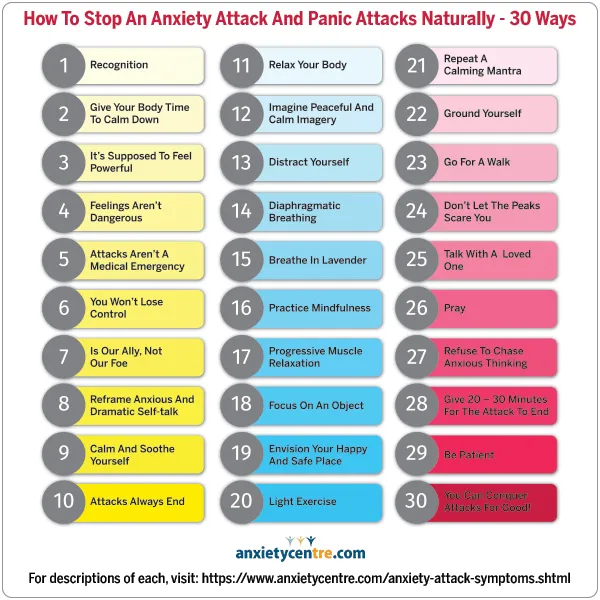
What is Sensory Processing and how does it affect me or my child? Is it Anxiety, Sensory Processing or a Combination of both?
Sensory overload, such as feeling like your nervous system is being bombarded and overwhelmed by visual, auditory, taste, touch, and smell stimuli, is a common symptom of anxiety disorder.
This article explains the relationship between anxiety and sensory overload symptoms.
What does sensory overload feel like?
What happens when you have sensory overload?
Examples of symptoms of sensory overload include:
- Extreme irritability.
- Restlessness.
- Discomfort.
- Urge to escape.
- Urge to cover your eyes or ears.
- Overly excited, anxious, or antsy.
- Senses are overloaded with stimuli.
- Senses feel overwhelmed.
- Senses are taking in too much information at once.
- Any extra visual, auditory, taste, smell, or touch stimulation overloads your ability to stand it.
- Sensory overstimulation.
- Sensory stimulation sends you into a panic attack.
- It can also feel like your entire nervous system is being bombarded with sensory stimulation.
- It can also feel like you are getting so much sensory information that your brain can’t sort it all out or is slow to sort out.
- You have difficulty focusing due to too much sensory information coming in at the same time.
- Overloaded senses can make you feel like you’re about to explode.
- Frustration.
- A strong desire to escape to a less stimulating environment.
- Restlessness.
- Elevated anxiety.
- An overly strong reaction to normal stimuli.
Sensory symptoms can affect one sense only, can shift and affect another sense or senses, can migrate and affect many senses at the same time, and can affect all senses just once or repeatedly.
Sensory overload symptoms can come and go rarely, occur frequently, or persist 24/7 day after day. For example, it feels like you can’t take any more sensory stimulation once in a while and not that often, feel it off and on, or have it all the time and every day.
Sensory overload symptoms can precede, accompany, or follow an escalation of other anxiety sensations and symptoms, or occur by itself.
They can also precede, accompany, or follow a period of nervousness, anxiety, fear, and stress, or occur "out of the blue" and for no apparent reason.
Sensory overload symptoms can range in intensity from slight, to moderate, to severe. They can also come in waves where they are strong one moment and ease off the next.
Sensory overload anxiety symptoms can change from day to day, moment to moment, or remain as a constant background to your struggle with anxiety disorder.
What causes sensory overload anxiety symptoms?
Many medical conditions can cause issues with sensory overload.
1. Anxiety sensory overload
The Sensory Nervous System, a part of the nervous system, is responsible for receiving and processing sensory information.
The sensory system is comprised of sensory neurons (which includes sensory receptor cells), neural pathways, and parts of the brain involved in sensory perception.
The sensory system is made up of six main systems:
- Vision
- Smell
- Hearing
- Taste
- Touch
- Balance
The sensory organs receive stimuli that are transmitted through the nervous system network to the brain for interpretation. In brief, the sensory system takes physical information and transduces it to the mind.
The sensory system is an integral part of how we make sense of and interact with the physical world.
When the body and nervous system are healthy, our senses perform flawlessly and seemingly invisibly as we go about life. However, anxious behavior can change how they function. For instance:
2. Anxiety, stress, and hyperstimulation causes of sensory overload
When we’re anxious, the body produces the stress response. The stress response causes many body-wide changes that give the body an “emergency boost” of energy and resources when we think we are in danger.[3][4]
Some of the stress response change include:
- Heightens most of the body’s senses.
- Stimulates the nervous system, which includes certain parts of the brain.
- Stimulates the body.
This combination of changes can heighten sensory reception.
Many anxious people experience heightened senses when they are anxious.
When we’re anxious too often, the body doesn’t have sufficient time to recover from the stress response changes. Incomplete recovery can cause a state of semi stress response readiness, which we call “stress-response hyperstimulation” since stress hormones are stimulants.
Hyperstimulation can cause chronic body-wide changes, including persistent heightened senses, which can lead to sensory overload.[6][7][8] Many people experience sensory overload symptoms due to chronic anxiety and stress.
3. Fatigue and sensory overload
Chronic stress, such as from overly apprehensive behavior, can cause physical, psychological, and emotional fatigue. When fatigued, our resiliency to stress diminishes, making even normal stimuli seem intense.
When you combine hyperstimulation-caused hypersensitive senses with fatigue, you the perfect recipe for a “sensory overload” feeling.
4. Sleep deprivation, insomnia
Just as fatigue can cause and contribute to sensory overload, so can sleep deprivation, such as from insomnia. As the effects of sleep disruption increase, so can the likelihood of issues with sensory overload.
5. Certain types of behavior can lead to sensory overload
Issues with anxiety can be caused by certain types of behavior, such as worry, impatience, frustration, rigid thinking, and catastrophizing, to name a few. These behaviors can lead to chronic stress (hyperstimulation), fatigue, and sensory overload.
6. Other factors can cause or contribute to sensory overload
Associated with anxiety, there are other factors that can cause and contribute to anxiety symptoms, such as sensory overload, including:
- Medication
- Recreational drugs
- Fatigue
- Hyper and hypoventilation
- Low blood sugar
- Nutritional deficiencies
- Dehydration
- Hormonal changes
Select the relevant link for more information.
Children and Sensory Overload (Sensory Processing Issues)
Children, especially anxious children, can experience sensory overload symptoms. Sometimes struggling with sensory issues is the first indication that a child is anxious.
While most children don't have trouble organizing and processing sensory information, some do. Noisy environments, bright lights, strong odors, and sharp tastes can create anxiety and stress in children who are sensitive to sensory stimuli.
Sensory overload anxiety can be so strong that it creates additional anxiety in children when they worry about possible situations and circumstances that could create sensory problems. In some cases, these types of worries can lead to the development of generalized anxiety disorder.
Children who struggle with sensory overload may be highly sensitive to sights, sounds, flavors, textures, smells, and other sensory input. Sometimes their reactions are so strong that they experience other symptoms of anxiety, such as nausea, trembling, and dizziness.
Some children can be oversensitive and under sensitive. For instance, they could be overly sensitive to visual and touch sensations while being under sensitive to noise and temperature.
Some children are so sensitive that they are classified as having Sensory Processing Disorder (SPD) – when the nervous system (which includes the brain) has trouble receiving and integrating sensory information.
Furthermore, children who struggle with sensory overload could also indicate giftedness – have an intellectual ability associated with an IQ of 130 or more.
When children are highly intelligent, they often have deficits in other areas. Being overly sensitive to sensory stimuli is an example.
If you have a child who is overly sensitive to sensory stimuli, it’s wise to have your child assessed by a professional. Early detection can prevent misunderstanding a child’s reaction to sensory stimuli as being temperamental or rebellious rather than having a true sensitivity.
How to deal with sensory overload?
When sensory overload symptoms are caused by anxiety and an active stress response, containing your anxiousness and calming yourself down will bring an end to the active stress response and its changes. As your body recovers, sensory symptoms should subside.
Keep in mind that it can take up to 20 minutes or more for the body to recover from a major stress response. This is normal and shouldn’t be a cause for concern.
When sensory overload is caused by hyperstimulation, eliminating hyperstimulation will cause the cessation of sensory overload symptoms.
Short-term ways to get rid of sensory overload symptoms
I experienced many episodes of sensory overload symptoms during my 12-year struggle with anxiety disorder. I also worked with many clients who also had them.
I, and others, have found the following tips helpful in reducing sensory overload symptoms:
- Reduce stress - Any stress reduction strategy can help alleviate sensory symptoms, such as overload. Visit our Deep relaxation/meditation – Since sensory overload is often caused by anxiety and stress, regular deep relaxation can reduce stress and its symptoms, including sensory symptoms.
- Regular good sleep - Sleep disruption is a common cause of stress-related symptoms, including episodes of sensory overload. Getting regular good sleep can reduce and eliminate stress symptoms caused by sleep disruption. If you can’t sleep at night, cat naps can help make up for lost sleep, as well as relax the body so that good sleep can return.
- Remove yourself from the environment – Sometimes, sensory overload can feel too strong, and sometimes the environment you are in is too stimulating. Removing yourself and going to a quieter location can help alleviate this sensory overload symptoms.
- Avoid triggers – If your body is hyper stimulated and sensitive to sensory stimuli, avoiding triggers can be helpful. For instance, avoiding environments that are noisy, too bright, have flashing lights, and have strong smells, as well as avoiding foods with strong tastes and wearing clothing that isn’t irritating, can help reduce the impact on your senses.
- Don't react to this symptom – Preventing stress responses by not reacting to your symptoms can help the nervous system settle and recover from hyperstimulation. As it recovers, it stops exhibiting symptoms, including sensory overload symptoms.
- Keep well hydrated – Dehydration is a common cause of anxiety- and stress-like symptoms, including sensory overload symptoms. Keeping your body well hydrated can reduce and eliminate these types of symptoms. Some doctors recommend drinking two or more liters of water per day.
- Address anxious behavior - Addressing the behavioral aspects that can cause issues with anxiety and stress can reduce their symptoms, including episodes of sensory overload.
Working with an experienced anxiety disorder therapist is the most effective way to address the behavioral aspects of anxiety disorder.
- Avoid stimulants – Stimulants can aggravate hyperstimulation and its symptoms, including sensory overload. Avoiding stimulants can allow the body to recover from hyperstimulation.
- Eat a healthy diet – Fast, high sugar, and junk foods stress the body and aggravate hyperstimulation and its symptoms. Eating a healthy diet of whole and natural foods can help a stressed body heal. As the body recovers from stress, it stops sending symptoms of stress, including sensory overload episodes.
Even though some or all of the above short-term strategies can alleviate episodes of sensory overload, eliminating hyperstimulation eliminates this symptom in the long-term. Eliminating hyperstimulation should be your overall goal if you want to eliminate all anxiety and stress symptoms.
NOTE: Some people with ADHD, Autism, and those who are “gifted” often experience sensory overload. Limiting exposure to triggers can reduce the incidences of sensory overload.
Sensory overload frequent questions
Can fatigue cause sensory overload?
Yes! Fatigue irritates the nervous system and diminishes our ability to withstand stimuli. As the level of fatigue increases, our ability to tolerate sensory stimulation diminishes.
You can read the other sections on this page for more information.
Can sensory overload cause fatigue?
Yes, it can. Being bombarded with sensory stimuli can tax the nervous system, which can cause fatigue. In this case, you can create a negative cycle where sensory overload causes fatigue, and fatigue exacerbates sensory overload.
Even though sensory overload can be disconcerting, it’s not harmful. It’s just an indication that your body is overly stressed and needs attention.
Can sensory overload cause anxiety?
Anxiety is caused by apprehensive behavior, such as worry. If a person is worried about becoming sensory overloaded, worried about how sensory overload symptoms feel, or worried about what other might think of them for having to deal with sensory overload symptoms, yes, that worry can create anxiety.
However, with professional help, you can overcome issues with worry, including worrying about anxiety symptoms, such as sensory overload.
Therapy
If you are having difficulty with anxiety, what seems like uncontrollable worry, fearing or eliminating your anxiety symptoms, or fears that seem to be controlling your life, we recommend connecting with one of our recommended anxiety disorder therapists. Working with an experienced anxiety disorder therapist is the most effective way to overcome issues with anxiety.
- Muscle weakness
- Numbness, tingling
- Weakness, weak limbs
- Asthma and anxiety
- Yawning
- Shooting chest pains
- Trembling, shaking
- Depersonalization
- Brain zaps
- Chronic pain
- Body jolts
- Back pain
- Chronic fatigue
- Muscle tension
- Lump in throat
The combination of good self-help information and working with an experienced anxiety disorder therapist, coach, or counselor is the most effective way to address anxiety and its many symptoms. Until the core causes of anxiety are addressed – which we call the underlying factors of anxiety – a struggle with anxiety unwellness can return again and again. Dealing with the underlying factors of anxiety is the best way to address problematic anxiety.
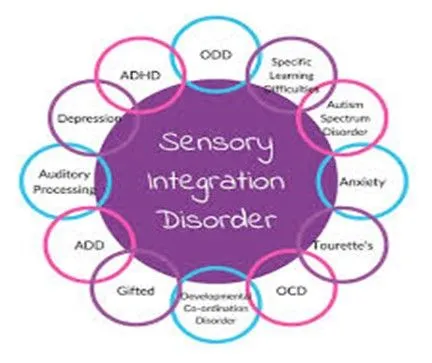
Setting up your ADHD child for success at both School and Home: Parents and Teachers Guide!
- Get Their Attention. Before addressing your child, say his name. When you say the child's name you give him a cue that you are about to give information or directions.
- Repeat Instructions. You've just given your child some instructions. Does she understand them? Have her repeat them back to you or explain them back in her own words.
- Eyes Front. Have your child look directly at the person who is speaking to them. When the eyes wander, the brain follows.
- Emphasize It. When giving key instructions be sure to repeat key words. Stretch them out. Say them louder.
- Remove Distractions. If the classroom fish tank is distracting, ask to have your child seated out of its direct sight-line, or have it moved to another area.
On the home front
So how do you teach a kid who won’t settle down and listen? The answer: with a lot of patience, creativity, and consistency. As a teacher, your role is to evaluate each child’s individual needs and strengths. Then you can develop strategies that will help students with ADD/ADHD focus, stay on task, and learn to their full capabilities. Successful programs for children with ADHD integrate the following three components:
- Accommodations: what you can do to make learning easier for students with ADD/ADHD.
- Instruction: the methods you use in teaching.
- Intervention: How you head off behaviors that disrupt concentration or distract other students.
Your most effective tool, however, in helping a student with ADD/ADHD is a positive attitude. Make the student your partner by saying, “Let’s figure out ways together to help you get your work done.” Assure the student that you’ll be looking for good behavior and quality work, and when you see it, reinforce it with immediate and sincere praise. Finally, look for ways to motivate a student with ADD/ADHD by offering rewards on a point or token system.
Dealing with Disruptive Classroom Behavior
To head off behavior that takes time from other students, work out a couple of warning signals with the student who has ADD/ADHD. This can be a hand signal, an unobtrusive shoulder squeeze, or a sticky note on the student’s desk. If you have to discuss the student’s behavior, do so in private. And try to ignore mildly inappropriate behavior if it’s unintentional and isn’t distracting other students or disrupting the lesson.
Classroom accommodations for students with ADHD
As a teacher, you can make changes in the classroom to help minimize the distractions and disruptions of ADHD.
Seating
- Seat the student with ADD/ADHD away from windows and away from the door.
- Put the student with ADD/ADHD right in front of your desk unless that would be a distraction for the student.
- Seats in rows, with focus on the teacher, usually work better than having students seated around tables or facing one another in other arrangements.
Information delivery
- Give instructions one at a time and repeat as necessary.
- If possible, work on the most difficult material early in the day.
- Use visuals: charts, pictures, color coding.
- Create outlines for note-taking that organize the information as you deliver it.
Student work
- Create a quiet area free of distractions for test-taking and quiet study.
- Create worksheets and tests with fewer items; give frequent short quizzes rather than long tests.
- Reduce the number of timed tests.
- Test the student with ADD/ADHD in the way he or she does best, such as orally or filling in blanks.
- Show the student how to use a pointer or bookmark to track written words on a page.
- Divide long-term projects into segments and assign a completion goal for each segment.
- Let the student do as much work as possible on computer.
- Accept late work and give partial credit for partial work.
Organization
- Have the student keep a master notebook, a three-ring binder with a separate section for each subject, and make sure everything that goes into the notebook has holes punched and is put on the rings in the correct section.
- Provide a three-pocket notebook insert for homework assignments, completed homework, and “mail” to parents (permission slips, PTA flyers).
- Color-code materials for each subject.
- Allow time for student to organize materials and assignments for home. Post steps for getting ready to go home.
- Make sure the student with ADD/ADHD has a system for writing down assignments and important dates and uses it.
Teaching techniques for students with ADD/ADHD
Teaching techniques that help students with ADD/ADHD focus and maintain their concentration on your lesson and their work can be beneficial to the entire class.
Starting a lesson
- Signal the start of a lesson with an aural cue, such as an egg timer, a cowbell or a horn. (You can use subsequent cues to show much time remains in a lesson.)
- List the activities of the lesson on the board.
- In opening the lesson, tell students what they’re going to learn and what your expectations are. Tell students exactly what materials they’ll need.
- Establish eye contact with any student who has ADD/ADHD.
Conducting the lesson
- Keep instructions simple and structured.
- Vary the pace and include different kinds of activities. Many students with ADD do well with competitive games or other activities that are rapid and intense.
- Use props, charts, and other visual aids.
- Have an unobtrusive cue set up with the student who has ADD/ADHD, such as a touch on the shoulder or placing a sticky note on the student’s desk, to remind the student to stay on task.
- Allow a student with ADD/ADHD frequent breaks.
- Let the student with ADHD squeeze a Koosh ball or tap something that doesn’t make noise as a physical outlet.
- Try not to ask a student with ADD/ADHD perform a task or answer a question publicly that might be too difficult.
Ending the lesson
- Summarize key points.
- If you give an assignment, have three different students repeat it, then have the class say it in unison, and put it on the board.
- Be specific about what to take home.
School tips for parents
Success at school isn’t the sole responsibility of teachers. There are many things parents can do to help a child with ADHD thrive in the classroom.
| How Parents Can Support Success at School | |
| Communicating with teachers |
|
| Homework |
|
| Behavior |
|
- If reading is weak: provide additional reading time; use "pre-viewing" strategies; select text with less on page; shorten amount of required reading; avoid oral reading. If the child also has dyslexia or dyspraxia difficulties, they should be referred for specialist support.
- If oral expression is weak: accept all oral responses; substitute display for oral report; encourage student to discuss their new own experiences; pick topics easy for students to talk about.
- If written work is weak: accept non-written forms for reports (i.e. displays, oral, projects etc.); accept use of typewriter, word processor or tape recorder; do not assign large quantity of written work; test with multiple choice or fill-in questions. Do not insist on neatness and redoing untidy work this will alienate the child from writing. For younger children, teaching basics like pen grip, letter flow and size are essential- A specialized approach may be needed with an occupational therapist.
- If Math’s is weak: allow use of calculator; use graph paper to space numbers; provide additional math’s time; provide immediate correctness feedback and instruction via modeling of the correct computational procedure.
- Younger children may be overwhelmed to see a full page of Math’s problems - consider using a "Math’s window" that will display only one problem, helping them to focus better.
- Older children may find sentences in Math’s confusing. Sequential learning in algebra, long division and fractions all cause difficulties. The child with ADD/ADHD may require extra support with these concepts.
- If English literature is weak: for the older child - discover what works and focus on strengths. Be proactive and creative to stimulate interest. For example, when studying Shakespeare, a video or CD may be available.
- If exams are likely to present problems: children with specific difficulties may be eligible for special examination arrangements at Junior and Leaving Certificate. More intensive coaching in revision and exam techniques may be required.
To Address Attention Difficulties
- Seat the student in a quiet area near the teacher, and near a good role model, mindful of not isolating the child from the rest of the class, or inadvertently stigmatizing the child by seating arrangements.
- Consider appointing / identifying a "study buddy" - someone who will work well with the student with ADD/ADHD, and if possible could provide support in note-taking. Increase the distance between desks and ensure eye contact when giving instructions.
- Shorten assignments or work periods to coincide with span of attention e.g. use a timer, enabling the student to see an end to work. Give assignments one at a time to avoid work overload and allow extra time to complete assigned work. Follow difficult tasks with preferred tasks. Look for quality rather than quantify during class time and remember this when assigning homework.
To Lessen Impulsiveness
- Expect the unexpected and anticipate pro-actively.
- Set up behavior contracts with the student, to cover areas both in class and during free time. Supervise closely during transition times.
- Instruct the student in self-monitoring of behavior i.e. hand raising, calling on the student only when hand is raised in appropriate manner, and praising accordingly.
- Ignore minor inappropriate behavior, comments and questions.
- Increase the immediacy of rewards and consequences using time-out procedure for misbehavior. Use "prudent" reprimands for misbehavior i.e. avoid lecturing or criticism and attend to positive behavior with compliments.
- Remind the student to check over work product if performance is rushed and careless.
- Be aware that Impulsiveness may be a response to a difficult interaction or situation.
To Minimize Excessive Motor Activity
- Allow student to stand at times while working, provide alternative seating where possible.
- Provide opportunities for "short breaks" i.e. running errands etc.
- Provide short breaks between assignments.
- Supervise closely during transition times.
- Give extra time to complete tasks (especially for students with slow motor tempo).
To Manage Mood Variations
- Frequently compliment positive behavior and work product. Look for opportunities for student to display leadership roles in class-
- Review instructions when giving new assignments to make sure the student understands the task. Look for signs of stress build-up, and provide encouragement or reduced workload to alleviate pressure and avoid temper outburst.
- Liaise frequently with parents to learn about student's interests and achievements outside of school. Send positive notes home - as this will boost the student and the parents.
- Encourage social interactions with classmates if the student is withdrawn or excessively shy.
- Make time to talk alone with the student, and try to spend more time talking to students who seem pent-up or display anger easily. Look for ways of providing brief training in anger control, encourage student to walk away, use calming strategies.
To Improve Recall
- Consider using a multi-sensory approach i.e. seeing, saying, writing, doing, Visualization, mnemonics and memory techniques are worth trying.
- Role-playing activities can help with recall and are usually considered to be fun.
- Computer-assisted instruction will help.
To Improve Organization and Planning
- Assist pupil with personal organization e.g. regularly check desk and notebook for neatness.
- Ask for parental help in encouraging organization and send daily/weekly progress reports home. Facilitate students to have extra set of books at home, if possible.
- Reward tidiness rather than penalize sloppiness. Be willing to repeat expectations. Do not penalize for poor handwriting if visual deficits are present, and encourage learning of keyboard skills to address this.
- Allow students to tape record assignments or homework.
- Arrange for peer support.
- Keep worksheet format simple and keep materials needed to hand.
- Give assignments one at a time and assist students in setting short-term goals,
To Encourage Compliance
- Praise compliant behavior and give immediate feedback. Ignore minor misbehavior.
- Seat the student near the teacher and use teacher attention to reinforce positive behavior. Use "prudent" reprimands for misbehavior (i.e. avoid lecturing).
- Set up a behavior contract with the student and implement a classroom behavior management system. Instruct the student in self-monitoring of behavior.
- Punishments such as "100 lines" cause more difficulties for children with ADD/ADHD Short specific assignments involving some degree of learning or additional practical tasks may be more beneficial.
Assemblies
- Be aware that assembly is usually a vulnerable time for a student with ADD/ADHD, as it is not as closely supervised as regular class-time. The student may be susceptible to bullying, fidgeting or may have difficulty settling down. Arrange for the student to be monitored from a distance when attending assembly.
- Introduce a calming-down period just before assembly starts. Keep assembly short, understand how difficult it will be for some students to sit quietly without fidgeting. Ignore minor disturbances caused by the student fidgeting - they cannot help it.
- Consider allowing the student to have something to fidget with, such as a stress toy.
Behavior Management
Children with ADD/ADHD/Dyslexia often are impulsive and hyperactive. Effective teachers use behavior management techniques to help these children learn how to control their behavior:
- Verbal Reinforcement. Students with ADD/ADHD/Dyslexia benefit from frequent reinforcement of appropriate behavior and correction of inappropriate behavior. Verbal reinforcement takes on the form of praise and reprimands. In addition, it is sometimes helpful to selectively ignore inappropriate behavior.
- Verbal Praise. Simple phrases such as "good job" encourage a child to act appropriately. Praise children frequently, and look for a behavior to praise before - not after - a child is off task.
- Verbal Reprimands. Do not hesitate to request that a child change his or her behavior. The most effective reprimands are brief and directed at the child's behavior - not at the child.
- Selective Ignoring of Inappropriate Behavior. Carefully evaluate whether to intervene when a child misbehaves. In some instances, it is helpful to ignore the child's inappropriate behavior, particularly if a child is misbehaving to get your attention.
Effective teachers also use behavioral prompts with their students with ADD/ADHD/Dyslexia, as well as with other students in the class. These prompts help remind students about your expectations for their leaning and behavior in the classroom:
- Visual Cues. Establish simple, non-intrusive visual cues to remind the child to remain on task. For example, you can point at the child while looking him or her in the eye, or hold out your hand, palm down, near the child.
- Proximity Control. When talking to a child, move to where the child is standing or sitting. Your physical proximity to the child will help the child to focus and pay attention to what you are saying.
Counselling
In some instances, children with ADD/ADHD/Dyslexia need counselling to learn how to manage their own behavior:
- Classroom Interviews. Discuss how to resolve social conflicts with classroom interviews. Conduct impromptu counselling sessions with one student or a small group of students in the classroom where the conflict arises. In this setting, ask two children who are arguing about a game to discuss how to settle their differences. Encourage the children to resolve their problems by talking to each other, while you quietly monitor their interaction during the interview.
- Social Skills Classes. Teach children with ADD/ADHD/Dyslexic appropriate social skills using a structured pullout class. For example, you can ask the children to role-play and model different solutions to common social problems. It is critical to provide for the generalization of these skills, including structured opportunities for the children to use the social skills they learn.
For some children with ADD/ADHD/Dyslexia, behavioral contracts, tangible rewards, or token economy systems are helpful in teaching them how to manage their own behavior. Because students' individual needs are different, it is important for teachers to evaluate whether these practices are appropriate for their classrooms.
- Behavioral Contract. Identify specific academic or behavioral goals for the child with ADD/ADHD/Dyslexia. Work together with the child to co-operatively identify appropriate goals such as completing homework assignments on time and obeying safety rules on the school playground. Take the time to ensure that the child agrees that his or her goals are important to master.
- Tangible Rewards. Use tangible rewards to re-enforce appropriate behavior. These rewards can include (a) stickers such as "happy faces" or sports teams emblems or (b) privileges, such as extra time on the computer or lunch with the teacher. In some cases, you may be able to enlist the support of parents in rewarding the children at home.
- Token Economy System. Use token economy systems to motivate a child to achieve a goal identified in a behavioral contract. For example, a child can earn points for each homework assignment completed on time. In some cases, students also lose points for each homework assignment not completed on time. After earning a specified number of points, the student receives a tangible reward such as extra time on a computer or a 'free period" on Friday afternoon.
Classroom Accommodations
Many children with ADD/ADHD/Dyslexia benefit from accommodations that reduce distractions in the classroom environment. These accommodations, which include modifications within both the physical environment and learning environment of the classroom, help some children with ADD/ADHD/Dyslexia stay on task and learn. Accommodations of the physical environment include determining where a child with ADD/ADHD/Dyslexia will sit in the classroom. There are two main types of special seat assignments:
- Seat Near the Teacher. Assign a child a seat near your desk or in front of the room. This seat assignment provides opportunities for you to monitor and reinforce the child's on task behavior.
- Seat Near a Student Role Model. Assign a child a seat near a student role model. This seat arrangement provides opportunities for children to work cooperatively and learn from their peers in the class.
Effective teachers also use different environmental prompts to make accommodations with in the physical environment of the classroom:
- Hand Gestures. Use hand signals to communicate privately with a child with ADD/ADHD/Dyslexia. For example, ask the child to raise his or her hand every time you ask a question. A closed fist can signal that the child knows the answer; an open palm can signal that he or she does not know the answer. You would call on the child to answer only when he or she makes a fist.
- Egg Timers. Note for the children the time at which the lesson is starting and the time at which it will conclude. Set a timer to indicate to children how much time remains in the lesson and place it at the front of the classroom; the children can check the timer to see how much time remains. Interim prompts can be used as well. For instance, children can monitor their own progress during a 30-minute lesson if the timer is set for 10 minutes 3 times.
- Classroom Lights. Turning the classroom lights "on and off" prompts children that the noise level in the room is too high and they should be quiet. This practice can also be used to signal that it is time to begin preparing for the next lesson.
- Music. Play music on a tape recorder or chords on a piano to prompt children that they are too noisy. In addition, playing different types of music on a tape recorder communicates to children what level of activity is appropriate for a particular lesson. For example, play quiet classical music for quiet set-activities and jazz for active group activities.
Effective teachers make accommodations in the learning environment by guiding children with ADD/ADHD/Dyslexia with follow-up directions:
- Follow-up Oral Directions. After giving directions to the class as a whole, provide additional, oral directions for a child with ADD/ADHD/Dyslexia. For example, ask the child if he or she understood the directions, and repeat the direction together.
- Follow-up Written Direction. Provide follow-up directions in writing. For example, write the page number for an assignment on the blackboard. You can remind the child to look at the blackboard if he or she forgets the assignment.
Effective teachers also use special instructional tools to modify the classroom-learning environment and accommodate the special needs of their students with ADD/ADHD/Dyslexia.
- Highlighting Key Words. Highlight key words in the instructions on worksheets to help the child with ADD/ADHD/Dyslexia focus on the directions. You can prepare the worksheet before the lesson begins or underline key words as you and the child read the directions together.
- Using Pointers. Teach the child to use a pointer to help visually track written words on a page. For example, provide the child with a bookmark to help him or her follow along when students are taking turns reading aloud.
- Adapting Worksheets. Teach a child how to adapt instructional worksheets. For example, help a child fold his or her reading worksheet to reveal only one question at a time. The child can also use a blank piece of paper to cover the other questions on the page.
Ideas for Undisruptive Classroom Fidgeting
To incorporate movement in the classroom for students with ADHD without disrupting others can be very tricky. However, there are a few strategies that teachers can employ to help ADHD students succeed. Try providing the following opportunities for children with impulse control problems:
- Let them stand up. Create a workstation in the classroom with taller tables that allow children to stand and work.
- Provide swivel or rocking chairs. Again, a math workstation that has a spinning chair or a reading corner with a rocking chair would be two great ideas for the ADHD student who needs to do the complex thinking.
- Keep a supply of quiet, mindless movement products. Squeeze balls, hard candies (sugar-free), worry beads, etc. are all objects that may meet the fidget requirements of the child with ADHD.
- Give lessons using multiple sensory inputs. Lecturing to students for long periods can be torture for the ones that learn by doing. Keep lessons interesting and help ADHD children who learn visually or are tactile learners. Use media such as audio recordings, video, and computers, physical objects, demonstrations, and innovative prop plays to teach new concepts.
- Change the scenery. Keep the kids moving by creating workstations in the classroom, going outside for lessons, visiting the library and gymnasium, and using the school’s common areas instead of always expecting students to remain seated at their classroom desks.
Wiggling, squirming, and fidgeting are all a part of everyday life for the student with ADHD. But trying to eliminate this behavior completely will be a futile effort. Teachers will find it less frustrating if they embrace the fidgets in a creative and undisruptive manner by using workstations, multi-sensory teaching techniques, and fidget products, and other movement strategies. This may help ADHD kids focus better and find success in the classroom.
Read more: "ADHD Students and Fidgeting: Should Teachers Control Classroom Fidgets or Encourage Them?" - Pause and create suspense by looking around before asking questions.
- Randomly pick reciters so the children cannot time their attention.
- Signal that someone is going to have to answer a question about what is being said.
- Use the child’s name in a question or in the material being covered.
- Ask a simple question (not even related to the topic at hand) to a child whose attention is beginning to wander.
- Develop a private running joke between you and the child that can be invoked to re-involve you with the child.
- Stand close to an inattentive child and touch him or her on the shoulder as you are teaching.
- Walk around the classroom as the lesson is progressing and tap the place in the child’s book that is currently being read or discussed.
- Decrease the length of assignments or lessons.
- Alternate physical and mental activities.
- Increase the novelty of lessons by using films, tapes, flash cards, or small group work or by having a child call on others.
- Incorporate the children’s interests into a lesson plan.
- Structure in some guided daydreaming time.
- Give simple, concrete instructions, once.
- Investigate the use of simple mechanical devices that indicate attention versus inattention.
- Teach children self monitoring strategies.
- Use a soft voice to give direction.
- Employ peers or older students or volunteer parents as tutors.
Strategies for Cognitively Impulsive Children
Some children have difficulty staying with the task at hand. Their verbalizations seem irrelevant and their performance indicates that they are not thinking reflectively about what they are doing. Some possible ideas to try out in this situation include the following.
- Provide as much positive attention and recognition as possible.
- Clarify the social rules and external demands of the classroom.
- Establish a cue between teacher and child.
- Spend personal discussion times with these children emphasizing the similarities between the teacher and child.
- Get in a habit of pausing 10 to 16 seconds before answering.
- Probe irrelevant responses for possible connections to the question.
- Have children repeat questions before answering.
- Choose a student to be the "question keeper."
- Using a well known story, have the class orally recite it as a chain story.
- When introducing a new topic in any academic area, have the children generate questions about it before providing them with much information.
- Distinguish between reality and fantasy by telling stories with a mix of fact and fiction and asking the children to critique them.
- Assign a written project that is to contain elements that are "true," "could happen but didn’t," and "pretend, can’t happen."
- Do not confront lying by making children admit they have been untruthful.
- Play attention and listening games.
- Remove un-needed stimulation from the classroom environment.
- Keep assignments short.
- Communicate the value of accuracy over speed.
- Evaluate your own tempo as teacher.
- Using the wall clock, tell children how long they are to work on an assignment.
- Require that children keep a file of their completed work.
- Teach children self talk.
- Encourage planning by frequently using lists, calendars, charts, pictures, and finished products in the classroom.
. Become informed. Learn as much as you can about the characteristics of ADHD and its effects on behavior and learning. The parents of kids who have been diagnosed with ADHD can be your best resource. You can also contact your local chapter of Children with Attention Deficit Disorders, or CHADD (see resource list, below).
2. Move toward a project-based classroom. Discover your students' interests and organize units of study around them. Give kids Many different methods for showing what they know - oral presentations, art projects, creative drama, and so forth. You may need to restructure your teaching schedule so kids will have time to investigate their interests and work on projects.
3. Offer choices. The key to keeping ADHD kids (not to mention non-ADHD kids) on task is making sure they are fully engaged in what they are learning. Because kids with attention deficit disorders sometimes become overwhelmed by too many choices, narrow down the possibilities for them, if necessary.
4. Give kids the tools to compensate for shortcomings. For instance, kids with ADHD often have trouble writing neatly; using a word processor could help ease their frustration. Children with ADHD are sometimes poor spellers, so let them use a spell checker to edit, their stories. Wherever possible, let kids use checklists - to assess key elements of their stories during the revision process, to determine whether they've followed important steps of a mathematical algorithm, or to help them remember spelling rules. Physically checking off what they've accomplished will help kids stay focused on their goals.
5. Make directions as easy to follow as possible. Make sure you have kids' attention before reading or explaining directions. If possible, give students an opportunity to start homework assignments in school so they can ask questions.
6. Monitor progress. Check assignment folders or notebooks on a regular basis. Ask kids to articulate their goals in daily work journals when doing a project.
7. Use alternative assessments to measure learning. Sitting still for hours at a time filling in bubbles on a traditional standardized test may be the worst way for ADHD kids to show what they know. If possible, use standardized tests as only one standard of measurement.
8. Ask for help. Under section 504 of the Rehabilitation Act of 1973, your ADHD student could be entitled to a classroom aide or other special services. Work with your principal or superintendent to find out how to get help.

You don’t have to “Tap Out” from Anxiety – Just try Tapping In"!!
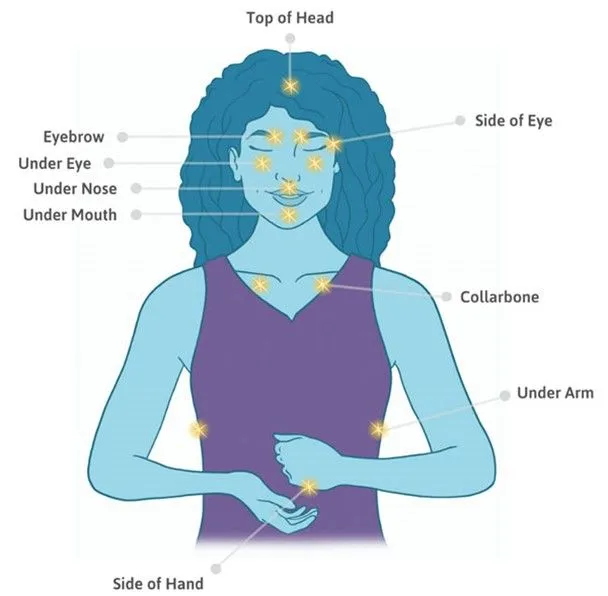
What is Tapping?
Tapping, also known as EFT (Emotional Freedom Techniques), is a powerful holistic healing technique that has been proven to effectively resolve a range of issues, including stress, anxiety, phobias, emotional disorders, chronic pain, addiction, weight control, and limiting beliefs, just to name a few. Tapping therapy is based on the combined principles of ancient Chinese acupressure and modern psychology. Tapping with the fingertips on specific meridian endpoints of the body, while focusing on negative emotions or physical sensations, helps to calm the nervous system, rewire the brain to respond in healthier ways, and restore the body’s balance of energy
So How Does It All Work?
Tapping makes full use of the mind-body connection, acknowledging and integrating the concepts that physical pain, disease, and mental well being are intricately connected to our emotional states. The body is equipped with an energy system that travels along pathways known as meridians. Tapping on these meridian endpoints helps to stimulate this system, and when verbally or mentally addressing the root causes of distress, the areas of blocked energy are able to release and flow naturally. The basic Tapping technique requires you to focus on the negative emotion at hand - a fear, a worry, a bad memory, an unresolved problem, or anything that’s bothering you. While maintaining your mental focus on this issue, you use your fingertips to tap 5-7 times on each of the 9 specific meridian points of the body. Tapping on these meridian points in sequence while concentrating on the negative emotions engages both the brain’s limbic system and the body’s energy system, encouraging a sense of safety and resolution. And as the scientific field of epigenetics is proving, when you change your internal environment - your emotions and beliefs - external changes in your mental & physical health will follow. In some ways, Tapping is similar to acupuncture. Like Tapping, acupuncture achieves healing through stimulating the body’s meridians and energy flow. However, unlike Tapping, acupuncture involves needles! “No needles” is definitely one of the advantages of Tapping! Tapping is simple and painless. It can be learned by anyone, and you can apply it to yourself whenever you want, wherever you are. It can be used with a specific emotional intent towards your own unique life challenges and experiences. Most importantly, Tapping gives you the power to heal yourself, putting control over your destiny back into your own hands.
ALTERNATIVES TO SELF-HARM:
Most people do not want to intentionally harm themselves. Quite often it is a reaction to internal emotional pain that is so intense that they are looking for a release. Just telling someone “Don’t do that” is not the answer. People do much better when given alternatives and distractions that are much less harmful. I often make a laminated copy of this list for clients to refer to when they are triggered. Another tool is to make an emergency rescue kit to keep with them. Fill the kit with Red Markers, Rubber bands, Ben Gay, tweezers, notebooks and pens so if they are away from home,  they will still have access to the tools they need to stay safe.
Snap a rubber band around your wrist.
Find a thick rubber band and put it around your wrist. When you feel the need to cut snap the rubber band until the urge subsides.
Draw on yourself with sharpie/draw pretend wounds where you want to cut.
It’s a physiological thing. Your mind sees red where you want to cut, and sometimes the urge goes away. Or, instead of cutting you can buy brand new sharpies with semi sharp edges and draw on the undersides of your arms. It can also be fun and artistic.
When you want to cut, go outside and distract yourself, or pick up a hobby.
If possible, go on a walk. It’s a good idea to get some fresh air where these thought’s don’t seem to trap you. Exercise is a natural way of releasing endorphins, a similar reaction to harming oneself. Good hobbies to pick up are painting, or writing in a journal. You don’t have to be good at it; nobody will be critiquing your work. It’s a healthy way to express emotion, which is highly beneficial. Sit and draw, or read a book. Whatever you’re comfortable with works!
A very simple one, blast music.
One of my various mottos: Headphones in, world out. Just get some music, somewhat cheerful preferably, and tune out the world. Embrace music, and embrace yourself. Feel free to dance like a hooligan as well.
For every cut you have, you have to wait one day to cut again.
Let’s say you’ve cut 5 times. 5 cuts. Wait 5 days to cut again. See if you can do it. It’s an alternative to driving yourself crazy by trying to stop cold turkey. Because, you’re not stoppingcompletely. This is also a pact you can make with someone who desires you to stop SI. Or for burns/bruises etc, you can wait until it heals to ‘X’ point before doing it again.
Practice Mindfulness (Meditate):
Put on some light music or find a quiet place and try to clear your mind. Take deep breaths and try to control your heart beat. Try to observe everything that is going on around you in the moment. (You don’t even have to sit in the stupid pretzel position!) If you’re going to cry, then let the tears flow. This is your personal time to relax and do whatever you want. A piece of advice, it is better to focus on something that’s NOT stress or trigger related.
Other Ideas:
- Take a hot or cold shower. Not luke warm and take your time!
- Play an instrument if you have one.
- Run an ice cube down wherever you SI. Do it until it melts away completely. It’s a sub for those urges and feelings.
- Get a ballpoint pen, the finest one you can find, and when you want to cut use the pen to make lines. It’s unlikely to cut you (unless you keep going over it..dont recommend that) but thin pens are sharp and scratchy and cause the closest thing to the sting from cutting I have found. It will also leave red marks there for a day or two which could be good or bad, depending on where you do it
- Pluck your brows. It hurts.
- Write what you’re feeling in a book, then use whatever you normally SI with to destroy the page. (If you burn, make sure you have something to smother potential fire with nearby!)
- Wrap bandages around your area of SI(draw bloody patches on it if you must). It will deter you from SI in that area.
- Pull the hair on your legs and cut it with your tool. The pulling sensation causes pain and could curb your urges
- Take a notebook and hand write all the nice things people have said to you. Either from tumblr, real life or what have you. When you’re triggered you must read the book front to back before you’re allowed to do anything to yourself.
- Make a playlist of songs exactly how you’re feeling at the moment. Triggering, soothing, it’s all up to you. Optional; You must listen to it all the way through before getting up and harming yourself.
Please keep in mind that unfortunately, not everything on this list will work for everyone.
So, if you try something and it doesn’t work for you, don’t get discouraged! Remember, sometimes the point of trying things is to prove they don't work. Some of these choices are complicated, and you might want to utilize the help of a therapist or trusted friend when undertaking them. Recovery is not a process that can be walked through alone, so don’t be afraid to reach out for help.
Alternatives for when you’re feeling angry or restless:
- Scribble on photos of people in magazines
- Viciously stab an orange
- Throw an apple/pair of socks against the wall
- Have a pillow fight with the wall
- Scream very loudly
- Tear apart newspapers, photos, or magazines
- Go to the gym, dance, exercise
- Listen to music and sing along loudly
- Draw a picture of what is making you angry
- Beat up a stuffed bear
- Pop bubble wrap
- Pop balloons
- Splatter paint
- Scribble on a piece of paper until the whole page is black
- Filling a piece of paper with drawing cross hatches
- Throw darts at a dartboard
- Go for a run
- Write your feelings on paper then rip it up
- Use stress relievers
- Build a fort of pillows and then destroy it
- Throw ice cubes at the bathtub wall, at a tree, etc
- Get out a fine tooth comb and vigorously brush the fur of a stuffed animal (but use gentle vigor)
- Slash an empty plastic soda bottle or a piece of heavy cardboard or an old shirt or sock
- Make a soft cloth doll to represent the things you are angry at; cut and tear it instead of yourself
- Flatten aluminium cans for recycling, seeing how fast you can go
- On a sketch or photo of yourself, mark in red ink what you want to do. Cut and tear the picture
- Break sticks
- Cut up fruits
- Make yourself as comfortable as possible
- Stomp around in heavy shoes
- Play handball or tennis
- Yell at what you are breaking and tell it why you are angry, hurt, upset, etc.
- Buy a cheap plate and decorate it with markers, stickers, cut outs from magazines, words, images, what ever that expresses your pain and sadness and when you’re done, smash it. (Please be careful when doing this)
- The Calm Jar (Fill a mason jar or similar with colored water and glitter. When feeling upset or angry you can shake it to disturb the glitter and focus on that until the glitter settles.)
- Blow up a balloon and pop it
Alternatives that will give you a sensation (other than pain) without harming yourself:
- Hold ice in your hands, against your arm, or in your mouth
- Run your hands under freezing cold water
- Snap a rubber band or hair band against your wrist
- Clap your hands until it stings
- Wax your legs
- Drink freezing cold water
- Splash your face with cold water
- Put PVA/Elmer’s glue on your hands then peel it off
- Massage where you want to hurt yourself
- Take a hot shower/bath
- Jump up and down to get some sensation in your feet
- Write or paint on yourself
- Arm wrestle with a member of your family
- Take a cold bath
- Bite into a hot pepper or chew a piece of ginger root
- Put tiger balm on the places you want to cut. (Tiger balm is a muscle relaxant cream that induces a tingly sensation. You can find it in most health food stores and vitamin stores.)
Alternatives that will distract you or take up time:
- Say “I’ll self harm in fifteen minutes if I still want to” and keep going for periods of fifteen minutes until the urge fades
- Color your hair
- Count up to ten getting louder until you are screaming
- Sing on the karaoke machine
- Complete something you’ve been putting off
- Take up a new hobby
- Make a cup of tea
- Tell and laugh at jokes
- Play solitaire
- Count up to 500 or 1000
- Surf the net
- Make as many words out of your full name as possible
- Count ceiling tiles or lights
- Search ridiculous things on the web
- Colour coordinate your wardrobe
- Play with toys, such as a slinky
- Go to the park and play on the swings
- Call up an old friend
- Go “people watching”
- Carry safe, rather than sharp, things in your pockets
- Do school work
- Play a musical instrument
- Watch TV or a movie
- Paint your nails
- Alphabetize your CDs or books
- Cook
- Make origami to occupy your hands
- Doodle on sheets of paper
- Dress up or try on old clothes
- Play computer games or painting programs, such as photoshop
- Write out lyrics to your favorite song
- Play a sport
- Read a book/magazine
- Do a crossword
- Draw a comic strip
- Make a chain link out of paper counting the hours or days you’ve been self harm free using pretty colored paper
- Knit, sew, or make a necklace
- Make ‘scoobies’ - braid pieces of plastic or lace, to keep your hands busy
- Buy a plant and take care of it
- Hunt for things on eBay or Amazon
- Browse the forums
- Go shopping
- Memorize a poem with meaning
- Learn to swear in another language
- Look up words in a dictionary
- Play hide-and-seek with your siblings
- Go outside and watch the clouds roll by
- Plan a party
- Find out if any concerts will be in your area
- Make your own dance routine
- Trace your hand on a piece of paper; on your thumb, write something you like to look at; on your index finger, write something you like to touch; on your middle finger, write your favorite scent; on your ring finger, write something you like the taste of; on your pinky finger, write something you like to listen to; on your palm, write something you like about yourself
- Plan regular activities for your most difficult time of day
- Finish homework before it’s due
- Take a break from mental processing
- Notice black and white thinking
- Get out on your own, get away from the stress
- Go on YouTube
- Make a scrapbook
- Colour in a picture or colouring book.
- Make a phone list of people you can call for support. Allow yourself to use it.
- Pay attention to your breathing (breath slowly, in through your nose and out through your mouth)
- Pay attention to the rhythmic motions of your body (walking, stretching, etc.)
- Learn HALT signals (hungry, angry, lonely, tired)
- Choose a random object, like a paper clip, and try to list 30 different uses for it
- Pick a subject and research it on the web - alternatively, pick something to research and then keep clicking on links, trying to get as far away from the original topic as you can.
- Take a small step towards a goal you have.
- Re-organize your room
- Name all of your soft toys
- Play the A-Z game (Pick a category ie. Animals, and think of an animal for every letter of the alphabet
- Have a lush warm bubble bath with candles!
- Do some knitting
- Do some house hold chores
Alternatives that are completely bizarre. At the least, you’ll have a laugh:
- Crawl on all fours and bark like a dog or another animal
- Run around outside screaming
- Laugh for no reason whatsoever
- Make funny faces in a mirror
- Without turning orange, self tan
- Pluck your eyebrows
- Put faces on apples, oranges, or other sorts of food
- Go to the zoo and name all of the animals
- Color on the walls
- Blow bubbles
- Pull weeds in the garden
Alternatives for when you’re feeling guilty, sad, or lonely:
- Congratulate yourself on each minute you go without self harming
- Draw or paint
- Look at the sky
- Instead of punishing yourself by self harming, punish yourself by not self harming
- Call a friend and ask for company
- Buy a cuddly toy
- Give someone a hug with a smile
- Put a face mask on
- Watch a favorite TV show or movie
- Eat something ridiculously sweet
- Remember a happy moment and relive it for a while in your head
- Treat yourself to some chocolate
- Try to imagine the future and plan things you want to do
- Look at things that are special to you
- Compliment someone else
- Make sculptures
- Watch fish
- Youtube funny videos!
- Let yourself cry
- Play with a pet
- Have or give a massage
- Imagine yourself living in a perfect home and describe it in your mind
- If you’re religious, read the bible or pray
- Light a candle and watch the flame (but please be careful)
- Go chat in the chat room
- Allow yourself to cry; crying is a healthy release of emotion
- Accept a gift from a friend
- Carry tokens to remind you of peaceful comforting things/people
- Take a hot bath with bath oil or bubbles
- Curl up under a comforter with hot cocoa and a good book
- Make affirmation tapes inside you that are good, kind, gentle (Sometimes you can do this by writing down the negative thoughts and then physically re-writing them into positive messages)
- Make a tray of special treats and tuck yourself into bed with it and watch TV or read
- Write words in the sand for them to be washed away
Alternatives for when you’re feeling panicky or scared:
- “See, hear and feel”-5 things, then 4, then 3 and countdown to one which will make you focus on your surroundings and will calm you down
- Listen to soothing music; have a CD with motivational songs that you can listen to
- Meditate or do yoga
- Name all of your soft toys
- Hug a pillow or soft toy
- Hyper focus on something
- Do a “reality check list” – write down all the things you can list about where you are now (e.g. It is the 9th November 2004, I’m a room and everything is going to be alright)
- With permission, give someone a hug
- Drink herbal tea
- Crunch ice
- Hug a tree
- Go for a walk if it’s safe to do so
- Feel your pulse to prove you’re alive
- Go outside and attempt to catch butterflies or lizards
- Put your feet firmly on the floor
- Accept where you are in the process. Beating yourself up, only makes it worse
- Touch something familiar/safeLeave the room
- Lay on your back in bed comfortably (eyes closed), and breathe in for 4, hold for 2, out for 4, hold for 2. Make sure to fill your belly up with air, not your chest. If your shoulders are going up, keep working on it. When you’re comfortable breathing, put your hand on your belly and rub up and down in time with your breathing. If your mind wanders to other things, move it back to focusing ONLY on the synchronized movement of your hand and breathing.
- Give yourself permission to…. (Keep it safe)
- Create a safe place for yourself and take yourself there
- Lay on the grass and watch the clouds. You can try to make pictures with them too.
- Light a candle and watch the flame
Alternatives that will hopefully make you think twice about harming yourself:
- Remember that you don’t have to hurt yourself just because you’re thinking about self harm
- Create a safe place to go
- Acknowledge that self harm is harmful behavior: say “I want to hurt myself” rather than “I want to cut”
- Repeat to yourself “I don’t deserve to be hurt” even if you don’t believe it
- Remember that you always have the choice not to cut: it’s up to you what you do
- Think about how you may feel guilty after self harming
- Remind yourself that the urge to self harm is impulsive: you will only feel like cutting for short bursts of time
- Avoid temptation
- Get your friends to make you friendship bracelets: wear them around your wrists to remind you of them when you want to cut
- Be with other people
- Make your own list of things to do instead of self harm
- Make a list of your positive character traits
- Be nice to your family, who in return, will hopefully be nice to you
- Put a band-aid on the area where you’d like to self harm
- Recognize and acknowledge the choices you have NOW
- Pay attention to the changes needed to make you feel safe
- Notice “choices” versus “dilemmas”
- Lose the “should-could-have to” words. Try… “What if”
- Kiss the places you want to SH or kiss the places you have healing wounds. It can be a reminder that you care about myself and that you don’t want this
- Choose your way of thinking, try to resist following old thinking patterns
- The Butterfly project- draw a butterfly on the place(s) that you would self harm and if the butterfly fades without self-harming, it means it has lived and flown away, giving a sense of achievement. Whereas if you do self-harm with the butterfly there; you will have to wash it off. If that does happen, you can start again by drawing a new one on. You can name the butterfly after someone you love.
- Write the name of a loved one [a friend, family member, or anyone else who cares about you] and write their name where you want to self harm. When you go to self harm remember how much they care and wouldn’t want you to harm yourself.
- think about what you would say to a friend who was struggling with the same things you are and try to be a good friend to yourself.
- Make a bracelet out duct tape, and put a line on it every day (Or any period of time) you go without self harm. When it’s full of lines, take it off and make a chain out of all the bracelets and hang it up somewhere where you can be reminded of your great progress.
Alternatives that give the illusion of seeing something similar to blood:
- Draw on yourself with a red pen or body paint, or go to a site such as this, where you ‘cut’ the screen (be aware that some users may find this triggering, so view with caution)
- Cover yourself with plasters where you want to cut
- Give yourself a henna or fake tattoo
- Make “wounds” with makeup, like lipstick
- Take a small bottle of liquid red food coloring and warm it slightly by dropping it into a cup of hot water for a few minutes. Uncap the bottle and press its tip against the place you want to cut. Draw the bottle in a cutting motion while squeezing it slightly to let the food color trickle out.
- Draw on the areas you want to cut using ice that you’ve made by dropping six or seven drops of red food color into each of the ice-cube tray wells.
- Paint yourself with red tempera paint.
- ‘Cut’ your skin with nail polish (it feels cold, but it’s hard to get off)
- Use red food colouring on your skin
Alternatives to help you sort through your feelings:
- Phone a friend and talk to them
- Make a collage of how you feel
- Negotiate with yourself
- Identify what is hurting so bad that you need to express it in this way
- Write your feelings in a diary
- Free write (Write down whatever you’re thinking at that moment, even if it doesn’t make sense)
- Make lists of everything such as blessings in your life
- Make a notebook of song lyrics that you relate to
- Call a hotline
- Write a letter to someone telling them how you feel (but you don’t have to send it if you decide not to)
- Start a grateful journal where everyday you write down three: good things that happened/ things that you accomplished/ are grateful for/ made you smile. Make sure the journal is strictly for positive things. Then when you feel down you can go back and look at it.

Not everyone feels confident in all areas of their lives:
Here are some helpful tips for building confidence. The adage “Fake it until you make it” can be a very helpful tool. Mindset is a large part of the battle. If you start to tell yourself that “You’ve got this”, or “You can do this” or any other positive affirmations, eventually you will start to believe it. Here are some tips for a boost in confidence.
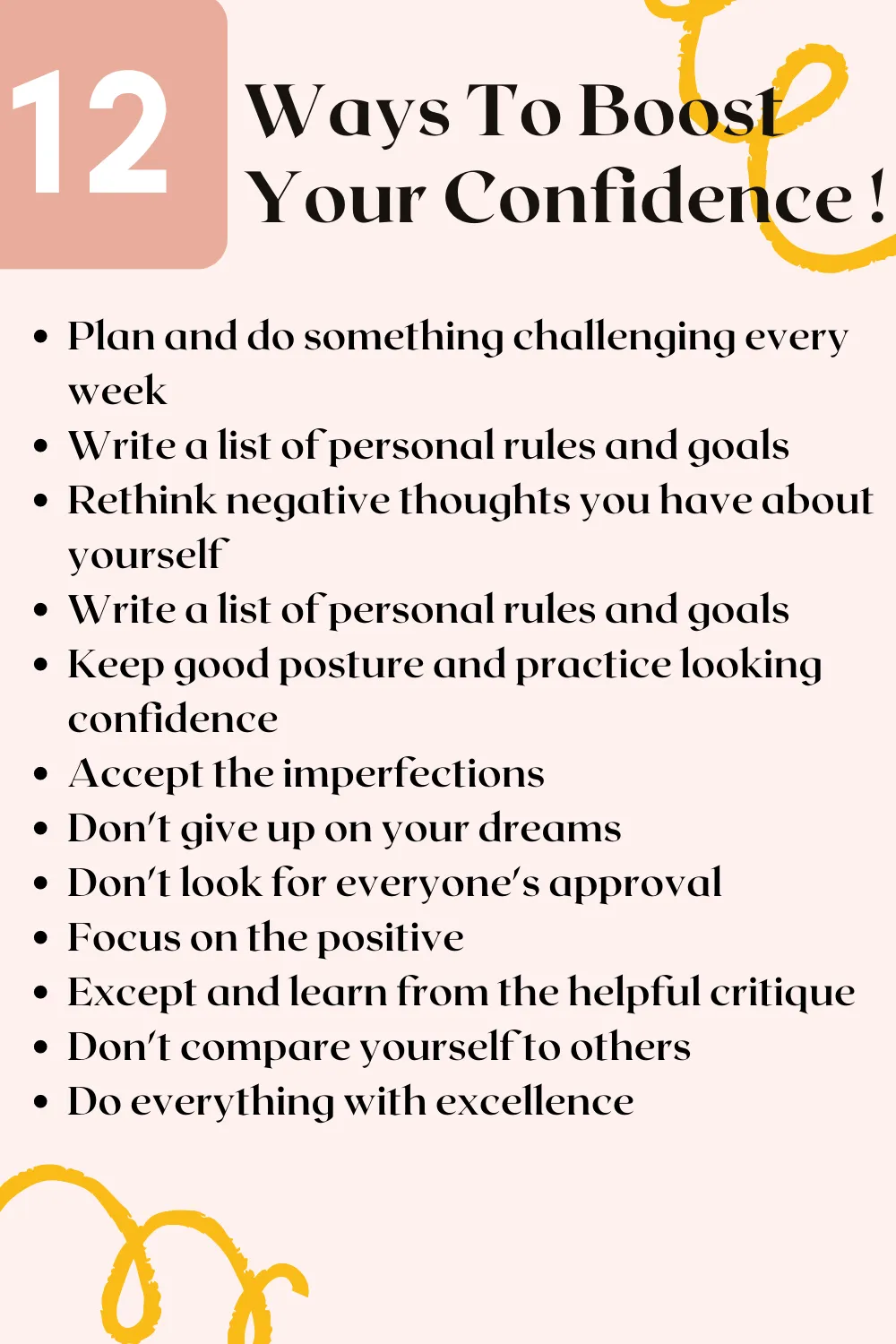
Seven simple, but still challenging steps to become a good digital parent. It is a journey, like parenting itself. There is no such thing as perfection. Just good enough. Let’s face it, social media is not going anywhere, anytime soon. With good Communication and Good Examples, we can help to minimize the negative effects of social media, while teaching our kids who to use it in a more positive and productive manner. Personally, my strength is not on social media and navigating the ins and outs of technology, however I am much better at communicating. By leaning on our strengths and providing healthy examples of how we utilize social media our kids will learn to have respect for both social media and themselves.
1. Talk With Your Kids
Talk early and often, be open and direct and stay calm
2. Educate Yourself
Search online for anything you don’t understand Try out the apps, games, and sites yourself
3. Use Parental Controls
Set content and time limits on your kids’ devices Routinely check privacy settings on social media
Monitor your kids’ use and their screen time
4. Set Ground Rules and Enforce Consequences
Discuss and sign a family safety agreement Restrict where and when devices can be used Remove tech privileges when rules are broken
5. Friend and Follow But Don’t Stalk
Follow your kids on social media Respect their online space and freedom Don’t flood their accounts with comments
6. Explore, Share, and Celebrate
Go online with your kids and explore their digital world, share your own online experiences, learn from each other and have fun
7. Be a Good Digital Role Model
Curb your own bad digital habits, know when and where to unplug, show your kids how to collaborate and be kind online
(Family online safety Institute) FOSI.org/parenting

Possible Psychological Stages of Growth/Development for Women:
Ageing is often shied away from, but it can be a positive thing. Studies have shown that each stage of life comes with unique benefits. Did you know, for example, that your psychological well-being can peak later in life, and even into your eighties? In many ways, we peak in later life, but there are measures that can be taken throughout life to optimize health and well-being.
Stage 1 | Young women
The journey from girl to young woman sees your body change inside and out. Hormones have a lot to answer for: from changing body shapes and acne to menstrual cycles and libido.
The effects of hormones aren’t just physical. Emotions can run high thanks to explorations in relationships and sex and a growing need for independence.
There are various methods that can help to reduce and manage stress, including mindfulness, meditation, and massage therapy. One of the most beneficial ways to alleviate stress is exercise, which produces endorphins - chemicals in the brain that act as natural painkillers. Exercise also helps to moderate the effects of hormonal changes, boosts body confidence and improves mood as well as the ability to sleep, which in turn reduces stress.
Healthy eating can also be helpful: growth and development are rapid during the teenage years, and the demand for most nutrients is relatively high. A varied and balanced diet allows your body to grow and develop properly, balances your mood and provides energy. The benefits of exercise and healthy eating are long-term too. Developing a fitness routine and basic nutritional understanding in your youth can set you up for life. Studies show staying healthy in your 20s is strongly associated with a lower risk for heart disease in middle age.
There are upsides to this life stage. Brain processing power has been shown to peak at 18 in some studies, while your ability to remember unfamiliar names peaks at about 22. On a physical level, strength peaks at age 25, and can remain high for the next 10 to 15 years if you maintain regular exercise.
Stage 2 | Career. Family. Fun.
Many women go through important life changes during this phase. You may be settling down with a partner and thinking about children. You may be pregnant or a new mum. Perhaps you’re playing and working hard with a busy career — or any combination of these.
With so many demands, it’s natural to expect a lot from your body. Luckily, in some ways your body is at its peak now: your muscle mass and bone density have never been stronger.
There's lots you can do to maintain this excellent foundation. Healthy eating and a regular exercise routine can help you function at your best and manage your weight. This has pay-offs for your menstrual cycle, fertility, pregnancy, energy, and stress levels too. Establishing a healthy lifestyle will give you a buffer against the highs and lows of this life stage and maximize the many opportunities it brings.
Stage 3 | Life balance
Many women in this phase find life is a juggle. The demands of a busy career, young children and elderly parents may mean there’s little time left for you. Perimenopause can also begin to cause fatigue, mood swings, insomnia, heavy and/or irregular periods and weight changes.
Of course, looking after your family and career can be rewarding, but if competing demands or fluctuating hormones threaten to tip you off balance, developing some coping strategies can help. A good sleep routine can take the edge off of stress and exhaustion, while Cognitive Behavior Therapy (CBT) techniques can manage problems by changing the way you think and behave.
It’s worth taking action as there’s much to relish during this stage: studies show people tend to do their most outstanding work in middle age.
Stage 4 | Back to you
At the beginning of this stage, most women experience a significant milestone. The menopause can be a physical, mental and emotional upheaval with far-reaching effects. Heavy and/or irregular periods, hot flushes, night sweats, exhaustion, insomnia, mood swings, lapses in concentration, thinning hair, loss of skin elasticity, changes in metabolism and aches and pains are all common.
Alongside hormonal changes, thyroid problems, diabetes, breast cancer, and cardiovascular issues can begin to surface. With all these challenges, it's not surprising anxiety and depression can take hold.
Luckily, you may find you have more resources to lean on during this phase: more time to yourself and a sense of resilience thanks to previous life experience.
While ageing is natural, even a badge of honor for some, exercise and proper nutrition can increase your sense of control and security. Deposits into your ‘health pension fund’ while you’re active and able can help you make the most of the present and set you up for the future. More specifically, it is important to ensure that weight-bearing exercises, such as dancing or hiking, are part of a regular exercise routine to reduce future osteoporosis risk.
Stage 5 | Freedom to explore
With the menopause behind you and retirement on the horizon, this stage of life is full of freedom and possibility.
But stepping into the unknown can be stressful. It takes time to adjust to changes in your daily routine, status, relationships, and financial situation.
This life stage can also throw up challenges on a physical level: cancer, diabetes, osteoporosis, cardiovascular disease, and obesity are common concerns. Loss of libido and functional fitness can also impact your relationships and wellbeing.
Luckily, studies show that you’re better than ever at navigating conflict, understanding other people’s points of view, anticipating change and considering different outcomes at this age.
There’s plenty you can do to make the most of life too: focusing on functional fitness can help you enjoy the new activities you’ve finally got time to explore. Speak to a Personal Trainer about developing a routine that allows you to thrive outside the gym; whether that’s keeping up with the grandkids, enjoying a new hobby or simply carrying the shopping home.
Stage 6 | Experienced. Thankful. Content.
Fitness is relative. At this stage in life, many women live with osteoporosis, arthritis, cancer, incontinence and heart conditions. You should reach out to your doctor if you have any concerns. They will take your health seriously and may be able to help you live independently for longer.
The good news is some studies suggest psychological well-being peaks at about 82. While loneliness and social isolation can be a concern, this age offers many opportunities to spend time with family and friends and try new things.
Meditation, mindfulness, and gratitude practices can help you make the most of your later years and take the edge off challenges you may face.
Meditation has been shown to boost mental clarity, creativity, and stability and increase focus. It can improve mental ability, so it is useful for all ages to practice, but at this stage it is particular useful to help protect against age-related cognitive decline.
Meditation can also help to improve pain management, insomnia and feelings of loneliness, while improving circulation.
Simple techniques, such as deep breathing and focusing on the present moment are easy to access. By sitting still, emptying the mind and practicing mindful habits, the benefits are available to all.
Worried about someone who is participating in Self-Harm Behaviors?
Distraction Techniques and Alternative Coping Strategies to Self-Injury Behaviors:
Self-injury is sometimes used as a way of coping with negative events and feelings.
It is often used as a result of not having learned how to identify or express difficult feelings in
a more healthy way. Finding new ways of coping with difficult feelings can help to suppress
the urges that lead to self-injury and may help in the recovery process. Focusing on identifying
feelings and challenging the thoughts that lead to self-injury can be helpful. Seeking outside
Professional assistance or engaging in individual therapy may be a good idea as well. Stopping
is easier if you can find other ways of expressing or coping with your feelings.
You can ask yourself the following questions which may help you to identify the negative feelings or situations that lead to self-injury:
• What was going on in my life when I first began to injure myself?
• How do I feel just before I want to injure myself?
• What are my habits and routines? Am I always in the same place or with a particular person
when I get the urge to injure myself?
• Do I always feel the same emotion when I get the urge to injure myself?
• How can I better deal with the situations that trigger me?
I want to stop self-injuring but I still have urges. What do I do instead? Distract yourself or use a substitution behavior. Many report that just delaying an urge to self- injure by several minutes can be enough to make the urge fade away. One way to increase the chances of a distraction or substitution helping calm the urge to self-injure is to match what you do to how you are feeling at the moment. It may be helpful to keep a list on hand so that when you get the urge to self-injure you can go down the list and find something that feels right to you in the moment. See the following examples of alternatives.
Feeling angry:
• Slash an empty plastic soda bottle or a piece of heavy cardboard or an old shirt or sock.
• Squeeze ice.
• Do something that will give you a sharp sensation, like eating lemons.
• Make a soft cloth doll to represent the things you are angry at. Cut and tear it instead of yourself.
• Flatten aluminum cans for recycling, seeing how fast you can go.
• Hit a punching bag.
• Pick up a stick and hit a tree.
• Use a pillow to hit a wall, pillow-fight style.
Distraction and substitution techniques
• Rip up an old newspaper or phone book.
• On a sketch or photo of yourself, mark in red ink what you want to do. Cut and tear the picture.
• Make clay models and cut or smash them.
• Throw ice into the bathtub or against a brick wall hard enough to shatter it.
• Dance.
• Clean.
• Exercise.
• Bang pots and pans.
• Stomp around in heavy shoes.
• Play handball or tennis.
Feeling sad or depressed:
• Do something slow and soothing.
• Take a hot bath with bath oil or bubbles.
• Curl up under a comforter with hot cocoa and a good book.
• Baby yourself somehow.
• Give yourself a present.
• Hug a loved one or stuffed animal.
• Play with a pet.
• Make a list of things that make you happy.
• Do something nice for someone else.
• Light sweet-smelling incense.
• Listen to soothing music.
• Smooth nice body lotion into the parts of yourself you want to hurt.
• Call a friend and just talk about things that you like.
• Make a tray of special treats.
• Watch TV or read.
• Visit a friend.
Craving sensation/Feeling empty or
unreal:
• Squeeze ice.
• List the many uses for a random object. (For example, what are all the things you can do with a twist-tie?)
• Interact with other people.
• Put a finger into a frozen food (like ice cream).
• Bite into a hot pepper or chew a piece of ginger root.
• Rub liniment under your nose.
• Slap a tabletop hard.
• Take a cold bath.
• Stomp your feet on the ground.
• Focus on how it feels to breathe. Notice the way your chest and stomach move with each breath.
Wanting focus:
• Do a task that is exacting and requires focus and concentration.
• Eat a raisin mindfully. Notice how it looks and feels. Try to describe the texture. How does a raisin smell? Chew slowly, noticing how the texture and even the taste of the raisin change as you chew it.
• Choose an object in the room. Examine it carefully and then write as detailed a description of it as you can.
• Choose a random object, like a twist-tie,and try to list 30 different uses for it.
• Pick a subject and research it on the web.
Feeling guilty or like a bad person:
• List as many good things about yourself as you can.
• Read something good that someone has written about you.
• Talk to someone that cares about you.
• Do something nice for someone else.
• Remember when you’ve done something good.
• Think about why you feel guilty and how you might be able to change it.
Reach Out to Others
• Phone a friend.
• Call 1-800-DONT-CUT.
• Go out and be around people.
Express Yourself
• Write down your feelings in a diary.
• Cry – crying is a healthy and normal way to express your sadness or frustration.
• Draw or color.
Keep Busy
• Play a game.
• Listen to music.
• Read.
• Take a shower.
• Open a dictionary and learn new words.
• Do homework.
• Cook.
• Dig in the garden.
• Clean.
• Watch a feel-good movie.
Do Something Mindful
• Count down slowly from 10 to 0.
• Breathe slowly, in through the nose and out through the mouth.
• Focus on objects around you and thinking about how they look, sound, smell, taste and feel.
• Do yoga.
• Meditate.
• Learn some breathing exercises to aid relaxation.
• Concentrate on something that makes you happy: Good friends, good times, laughter, etc.
Release Your Frustrations
• Break old dishes.
• Rip apart an old cassette tape, smash the casing.
• Throw ice cubes at a brick wall.
• Throw eggs in the shower.
• Rip apart an old phone book.
• Smash fruit with a bat or hammer.
• Throw darts.
• Punch pillows.
• Scream into a pillow.
• Slam doors.
• Yell or sing at the top of your lungs.
• Exercise.
Other General Distraction and Substitution Techniques:
If you still feel the urge to injure you might try:
• Putting stickers on the parts of your body you want to injure.
• Drawing slashing lines on paper.
• Drawing on yourself with a red felt-tip pen.
• Taking a small bottle of liquid red food coloring and warm it slightly by dropping it into a cup
of hot water for a few minutes. Uncap the bottle and press its tip against the place you want
to cut. Draw the bottle in a cutting motion while squeezing it slightly to let the food color
trickle out.
• Drawing on the areas you want to cut using ice that you’ve made by dropping six or seven
drops of red food color into each of the ice-cube tray wells.
• Painting yourself with red tempera paint.
Self- Injury Behavior can be scary for those harming themselves and the ones who care about them. These suggestions are in no way a substitution for Mental Health Treatment.
https://www.selfinjury.bctr.cornell.edu

As parents and caregivers, there are ways we can create a supportive environment that allows our kiddos to embrace the holiday spirit with comfort and joy. Holidays can be a mixture of both Joy and Stress for all members of the family.
12 tips to help you navigate the holidays with your child
1. Maintain routines: Kids thrive on routine, and the holidays can sometimes disrupt their sense of normalcy. Strive to keep elements of their regular schedule intact to provide stability amidst festive chaos.
2. Communicate openly: Open communication is key. Explain any changes or plans for the holidays in a way that your child can understand. This helps alleviate anxiety and ensures they feel included in the festivities.
3. Manage expectations: Prepare your child for the reality that not everything will go as planned. Whether it’s a shift in sleep schedules or changes in holiday traditions, managing expectations reduces stress and fosters resilience.
4. Encourage expression: Holidays can evoke a range of emotions. Encourage your child to express their feelings through talking, drawing, or writing. Providing an outlet for their emotions can be both therapeutic and empowering.
5. Include them in preparations: Make your child an integral part of holiday preparations. Whether it’s decorating the house, baking cookies, or wrapping presents, involvement in these activities can make them feel valued and connected.
6. Create new traditions: If old traditions are disrupted, consider creating new ones. This can be an exciting way to make the holidays special while allowing for flexibility in changing circumstances.
7. Emphasize the joy of giving: Teach your child the joy of giving by involving them in charitable activities or encouraging them to create handmade gifts. Focusing on others can instill empathy and a sense of fulfillment.
8. Manage sensory overload: The holidays can be overwhelming with bright lights, loud music, and crowded spaces. Be mindful of your child’s sensory needs and provide breaks when necessary for quiet time to recharge.
9. Manage expectations (again!): Reiterating the importance of managing expectations cannot be overstated. It’s a valuable lesson that reduces disappointment and teaches resilience.
10. Limit commitments: Avoid overloading the holiday schedule with too many activities. Prioritize and choose activities that align with your family’s values and energy levels to prevent overwhelm.
11. Offer downtime: During the hustle and bustle, schedule downtime for relaxation and free play. Just like adults, kids need moments to unwind and enjoy unstructured time.
12. Take care of yourself: Your well-being directly influences your child’s experience. Make self-care a priority, both physically and emotionally, so you can be present and supportive of your child during the holidays.
Do you ever wonder what your role may have been/is in your family? In Dysfunctional families these are the most prevalent roles. Just because your family perceived you this way does not mean it’s true. It also doesn’t mean that you need to stay trapped in this role. With professional help so much good can happen leaving you feeling solid, whole and happy despite those tapes that try to play from your childhood.
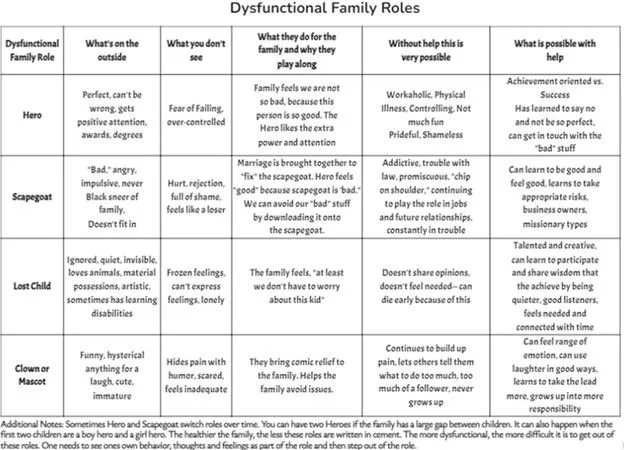
Having Trust in your Partner and your Relationship can sometimes be difficult, especially after infidelity. Here are a few tips to work on strengthening trust:
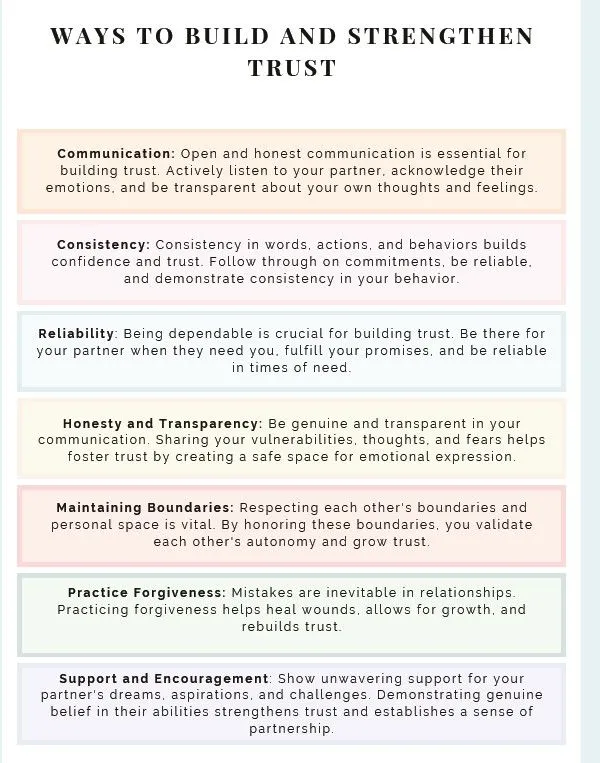

"What you feed will grow" is a metaphor that means the areas of your life that you give the most attention will be the ones that grow the most. For example, if you water, fertilize, and give sunlight to certain areas of your life, those are the areas that will see the most growth. “What you starve dies” is a metaphor for giving the least amount of care or attention to will no longer survive.
Here are examples of aspects of your life you may want to feed:
- Your relationships: When you put in daily work and think about things with a positive and objective mindset your relationships will grow and flourish.
- Positive thoughts: If you work on feeding a growth mindset and try to always be open and optimistic you will grow and evolve into the best version of yourself.
- Our Hobbies and Interests: Do you have a passion or an interest that consistently gives you pleasure but your time is limited? Making these outlets a priority and nurturing this side of you offers so many rewards. Relaxation, grounding, being present in the moment and so many more
- Your sense of Self: If you are kind and gentle with the way you speak to yourself, or the way you view yourself, those good qualities and traits will have an impact on all areas of your life. Remember the old math equation a “Positive attracts a Positive” and a “Negative attracts a Negative?” How true!
If you starve Negativity it will die. Here are some great examples:
- Negative emotions only thrive when they receive attention and nurturing, and we allow them to grow. What would happen if we minimized or gave no attention to feelings of Anxiety or Excessive Worrying?
- 2. What if we did not put any fertilizer on to Hate or Revenge? They too would die and wither away.
- What if you stopped identifying yourself with negative terms? “I’m not smart, I’m ugly, I can’t do this etc... Those negative labels you have placed on yourself will die out and with the proper care and feeding all of the good and positive you want in your life will grow.
Journaling can be very therapeutic. It can reduce Stress, Anxiety and bring clarity. It gets the thoughts out of your head and on to paper. Often your thoughts become clearer when you see them in Black and White. You don't need proper spelling or grammatically correct language, just let your authentic self-emerge. Here are some great prompts to get you started.
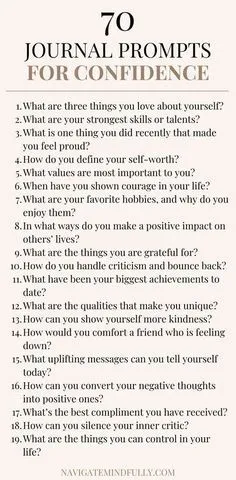
No one wants to feel anxious. There are many ways to try and manage and control Anxiety, but these simple habits can help to alleviate Anxiety before it happens or to a lesser degree. Why not try these new habits and then document the ways in which these simple changes affect your overall mood and well being.
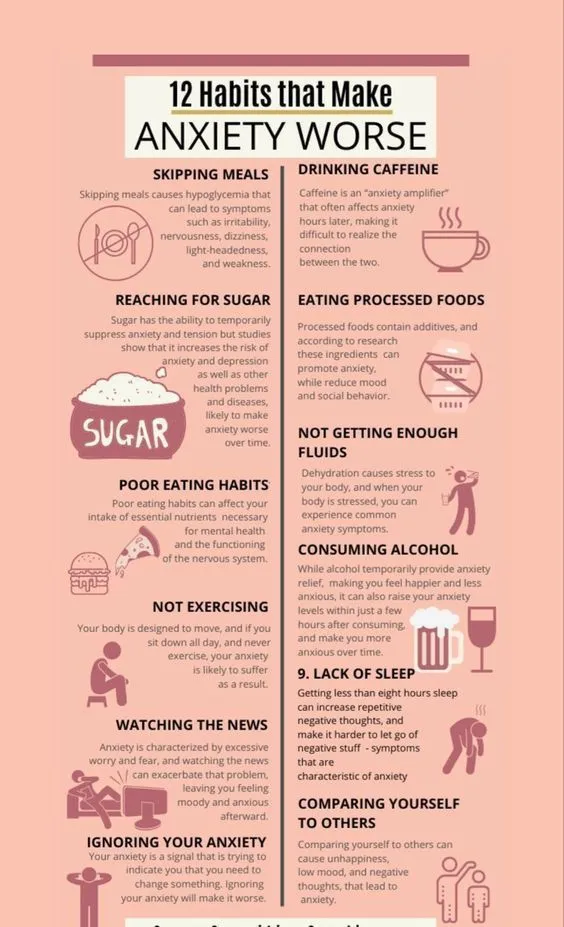
Trauma Stress Responses -
Trauma can come into our lives in a variety of ways. When dealing with unresolved Trauma (PTSD) or Complex Trauma (C-PTSD) it can often present as other mis-labeled Mental Illnesses. There are Four main “Stress” responses. These consist of Fight, Flight, Freeze and Fawn. Most people have one or two dominant “stress” responses that they typically fall back into as their main mode of reacting to stressful triggers and situations, or perceived threats. It is important to perform a thorough assessment and to take an in-depth analysis to determine if someone struggles with one particular diagnosis or if signs and symptoms are part of a bigger picture.All four responses impact overall health and well being and deserve to be addressed on a global level to better meet the treatment needs of a client.I found this chart to be a valuable tool for use with clients to get a better understanding of how unresolved Trauma may be mislabeled or minimized.
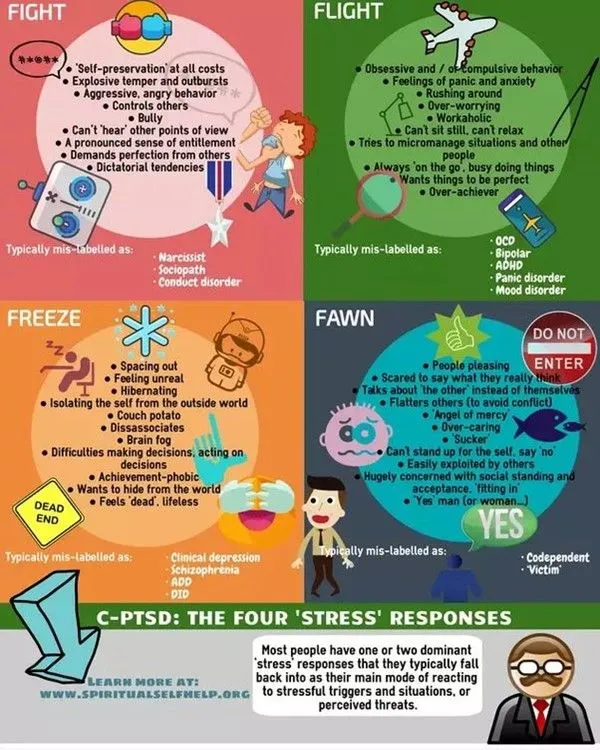
Deep pressure activities to prepare the brain to work: Drug free activities to help your child organize and center themselves.
Heavy Work Activities
Heavy work can have powerful calming and organizing effects on the nervous system. These activities are particularly important for children who are sensory defensive. They can help to inhibit or prevent uncomfortable reactions to sensations. For a lot of individuals there is a need for a “pressure release” for them to organize their nervous system and to set themselves up for success prior to focusing on tasks such as schoolwork or chores. Try some of these simple but helpful techniques at home or in the classroom to help a child regulate themselves.
Activities to try:
Stair climbing/Sliding –bumping down on bottom or headfirst
Crawling-through tunnels or boxes on all fours
Playing ‘tug of war’ with ropes, scarves, stretchy bands
Roughhousing –play wrestling
Pulling/pushing –weighted wagon, wheelbarrow, or cart
Catching/throwing –heavy weight ball, bean bags, cushions
Kicking –soccer ball, big ball
Swimming/ extra bath time
Big ball activities
Scooter board activities
Silly animal walks (crab, bear)
Wheelbarrow walking
Pulling apart resistant toys/objects eg. Lego, snap beads, stretchy toys
Pounding/ rolling playdoh/clay
Hitting a punching bag, or tetherball
Body stretches
Joint compressions
Heavy exercise –pushups, sit-ups, handstands, tug-of-war, jumping
Heavy work –anything that makes muscles work against resistance. This includes both the whole body and use of the hands or mouth. Use push and pull type of activities. Ask a child to help set up equipment, put chairs away, carry heavy books, shovel snow, rake leaves, carry grocery bags in the house, take out garbage cans, clean chalk or white board etc.
Wearing lightweight ankle and wrist weights (no more than 1 lb) for 15 –20 minutes at a time
Hanging from trapeze bar
Stirring cake batter, kneading bread dough
“Make the room bigger” –by pushing the wall with arms extended at shoulder level. Encourage pushing with back, right/left side, or feet.
“Hotdog” –rolling the child up in a sleeping bag, blanket, gym mat and gently roll them back and forth and then have the child squeeze out the end
Gross Motor Activities-hiking with backpack, biking uphill, obstacle courses, stretching and toning exercise
Wearing a weighted vest

Is this a Mental Breakdown or an Emotional Breakthrough? Don’t Panic!
Here are some signs to look for:
- You start to question everything. You start to explore new ideas of philosophy, spirituality and politics along with a multitude of other areas. Just because you were raised doesn’t mean it is fact, gospel or even reflect what YOU believe.
- 2. You’re realizing there’s a difference between happy thoughts and happy feelings. You evolve to see happiness in enjoying the moment and not just thinking about the potential and possibilities of the future or the what if’s.
- You are starting to see patterns. You become aware of issues that continue to resurface in relationships, jobs, ideas and feelings.
- You start to question “Is this all there is?” Is working, eating, sleeping all there is or is their something far greater in life or death.
- You’ve decided you’re not going to be the victim of your mind anymore. Breakdowns or any intense mental-emotional turmoil – are always a sign that things are in the process of changing.
-Take photos to remember happy moments, not to show how thin or beautiful you look.
-Stop worrying about people that are “Judging you”. It is often not the case and more how you are judging yourself.
-Think about what makes you feel the most jealous. Usually these are the things we feel we are not living up to within ourselves.
_-Celebrate everyday like a holiday. Show those who love and matter that you care and value them everyday not just on Holidays.
- Get rid of things what have no purpose or are meaningful. De-clutter and focus on experiences and memories not items.
- Try imagining a life in which you could not see things. All that matters is what you feel and how you make others feel.
- Growth is a process. It doesn’t happen overnight, but small steps and awareness can have a lifelong impact on giving you your best and most authentic life.

The CALM Technique: Effective Communication with your Children
Using the CALM method, parents can use their genuine connection with their child to calm them and facilitate communication. CALM is an acronym for Connect, Affect, Listen, and Mirror. (Mirroring is the effect that will be achieved throughout the initial three steps).
1. CONNECT
To properly Connect with your child when he or she is upset, give your child your complete attention, including eye contact and focused posture. "When you really feel the connection, you'll know you are getting it right." When you connect in this way, you are able to Mirror your child's emotions.
2. AFFECT
"Affect" is a psychological term; in this context, it is a noun referring to the emotion a person is externally displaying. When your child shows an upset Affect, this is an opportunity for you to Mirror their feelings in order to improve your communication with them. It is best to imitate the Affect they are presenting in a careful way, specifically by exhibiting a more controlled version of their emotions. For example, if your child is distraught to the point of hysterical crying, you should reflect a more muted version of their feelings rather than attempting to replicate their uncontrollable sobbing. Mirroring in an exaggerated way will only shift the attention to your own feelings instead of your child's, as well as cause your child to doubt your authority and sincerity. However, you should still imitate the child's sense of urgency in order to validate their feelings.
3. LISTEN Show your child you are Listening by voicing their feelings as if you were in their place. Resist the temptation to voice their feelings from a distance; for example, "You must be sad that..." or "I understand that you don't like that...." This does not make the child feel heard. Instead, talk about their feelings as if you were their friend, on their side. For example, "Yeah! You had a great situation and now you're being asked to do something that totally interrupts your fun. This aspect of Mirroring is done correctly when it "reflects [your child's] perception of the problem in that moment."
4. MIRROR
When performing the three steps correctly, you should be enabled to effectively Mirror your child, achieving a state of calming connection that can tremendously deepen your bond and help your child feel heard and understood. When your child is properly Mirrored, they will calm down in the moment; later, you can talk about the issue in a way that shows them any misconceptions they may have had at the time and teaches them a new way to regard the situation.

10 Best Couples Therapy techniques to improve communication: The delivery, is just as important as the content!
Couples therapy is always a feasible option for many couples. So, here are some easy and effective couples therapy techniques for communication you can use to improve your relationship today. Communication is one of the most frequent issues brought up in Couples Counseling.
1. Make a safe space for talking about feelings
Couples therapy techniques for communication guide you to build a safe environment to talk.
Sometimes, the hardest thing about talking through feelings is making a safe space for them. If you’re both feeling tense about a subject or it’s sparked fights in the past, it can be hard to know how to approach it.
You might start by asking your partner, “Do you feel comfortable talking about this?” or “How can I make this discussion easier for you?” Ask them what do you need to feel more comfortable, too.
When you start from a position of acknowledging each other’s needs, it sets you up for a calmer and more respectful discussion.
2. Practice active listening
Active listening is a valuable life skill as well as one of the couples therapy techniques for communication, but also one that is so often overlooked.
Active listening means really taking on board what the other person is saying without getting distracted or caught up in your own train of thought.
One simple active listening technique you can try with your partner today is learning to mirror the other’s words.
Instead of just nodding along or trying to interject when your partner is speaking, let them finish and then repeat what they said in your own words. This is a great way to make sure you’re truly understanding each other.
“I” statements are a wonderful communication tool. When you start a statement with “you,” your partner is automatically put on the defensive. “You” sounds accusing, and people who feel accused are unlikely to be open to honest, heartfelt discussions. “I” statements reduce fights and facilitate real talks.
For example, if you want more support with the chores and you start with “you never do any chores,” your partner will get defensive and fire shots back.
On the other hand, if you start with, “I feel stressed by the amount I have to do right now and would really appreciate some help with the chores,” you open the way for a discussion.
“I” statements also create space for you to really focus on and express your feelings and be heard by your partner.
You can do the same for them, in turn, hearing their feelings and concerns rather than hearing accusations and going on the defensive. It’s useful among couples therapy techniques for communication.
3. Use positive language
Couples therapy techniques for communication always involve conversing with a positive approach.
Using positive language follows naturally from making “I” statements. Using positive language doesn’t mean papering over how you really feel or trying to smooth over a situation.
However, it does mean being mindful of the words you choose to express your feelings and the way those words might affect your spouse.
For example, if you find yourself nagging your partner a lot, you might want to start focusing on the positive. Find things you love about them. Look for things they do that you appreciate and tell them about those things.
Make requests rather than give orders. Always ask yourself how you would feel if you were on the receiving end of your communication with your partner. This is how you can improve communication through couples therapy.

4. Honor each other’s changes
We all change as we go through life, but it’s amazing how many people expect their spouses not to change. Some of us even get quite angry and frustrated with them when they do.
However, as the couples therapy techniques for communication teach us, marriage is all about honoring and respecting each other as the years pass by, and that includes each other’s changes.
Instead of mourning who your partner used to be or wishing they could be the same person you first fell in love with, look for ways to honor and respect who they are right now.
See, getting to know each other anew as you change is an adventure you are taking together. Take the time to ask each other about your thoughts, feelings, dreams, and goals in life, and learn more about who your spouse is right now.
5. Nonverbal communication
Nonverbal communication, such as body language and tone of voice, can have a significant impact on how we communicate with our partners. While following the couples therapy techniques for communication, it’s important to be mindful of what we convey to the other person.
Being mindful of nonverbal cues can help improve communication by sending positive signals to your partner. For example, maintaining eye contact, using an open posture, and speaking in a calm tone can all help improve communication.
6. Timing
The timing of conversations can be just as important as what is said. Choosing the right time and place for difficult conversations can help improve communication and prevent misunderstandings. For example, bringing up a sensitive topic when your partner is stressed or distracted may not be the best time.
7. Validation
Communication therapy for couples preaches validation.
Validation involves acknowledging your partner’s feelings and perspective, even if you don’t agree with them. This technique can help your partner feel heard and understood, which can lead to better communication. For example, you might say, “I can see why you feel that way,” or “I understand where you’re coming from.”
8. Taking a break
Taking quiet time is one of the tested couple counseling techniques.
Sometimes, taking a break from a difficult conversation can help both partners calm down and collect their thoughts. This technique can prevent arguments from escalating and can give both partners time to reflect on their feelings and needs.
9. Active problem-solving
Active problem-solving involves working collaboratively with your partner to find solutions to problems. This technique can help improve communication by fostering a sense of teamwork and shared responsibility.
For example, if you’re struggling with the division of household chores, working together to create a schedule that works for both of you can help alleviate tension and resentment.
10. Appreciation
Expressing appreciation for your partner can go a long way in improving communication and strengthening your relationship as part of couple therapy techniques.
Taking the time to acknowledge your partner’s contributions and efforts can help foster feelings of love, respect, and gratitude. For example, thanking your partner for cooking dinner or expressing how much you appreciate their support can help improve communication and create a positive atmosphere.

How To Spot a Narcissist Early in A Relationship:
When you first meet a Narcissist, they may present themselves as very charming and charismatic. They only show you what they want you to see. Here are some warning signs to pay attention to that may save you a lot of heart ache down the road.
You feel like they’re constantly “love-bombing” you.
Love bombing is a very common thing when dating a narcissist. It might seem like your partner is extremely attentive and sweet, but it’s just another narcissistic supply behavior. Even on your first date, they might be celebrating how you two seem like a match made in heaven. If things started as a fairy tale, with loving texts and grandiloquent declarations, you might be experiencing love bombing. Love bombing makes you feel loved and extra special; however, it is also a form of manipulation. Narcissists pull the strings of your heart to make themselves feel more important. So if you feel they might be to loving too fast, that’s a warning sign!
Narcissists won’t ask you a ton of questions about your life.
The telltale warning sign of a narcissist is how deeply self-absorbed they are. Narcissists love to ramble on about how amazing they are and how much they have accomplished. By the end of a date, they likely haven’t asked you anything about yourself. Because it’s always about them. If you’re wondering if they even care about who you are and what you like after meeting them, chances are you’ve just been with a narcissist.
The relationship seems too good to be true.
If it seems too good to be true, it probably is. Narcissists can be the most charming people until they reveal their true nature. They might seem perfectly normal, if not a little too perfect, during the early stages of a relationship. Everyone has imperfections. Humility and vulnerability are a good sign in any relationship. A complete lack of showing your imperfections is a telltale sign of narcissism. If you can’t find any flaws in a person, it might be a sign that they’re just putting up a facade to lure you into committing to them. Try to take off the rose-colored glasses and look for the truth!
Narcissists trash and complain about their exes.
Whenever a narcissist talks about their former partners, they usually go on and on about how awful and ungrateful they were. They’re the heroes who endured an abusive relationship or the victims who tried to give it their all. This is a classic move that people with NPD make to impress you or build you up before dating. By calling their exes crazy or manipulative, they’re cheaply suggesting you’re better than them. And they’re also letting themselves off the hook in advance. You know if the relationship ends, you’ll just turn into another insane ex! This is toxic behavior and an instant red flag. It always takes two to tango. Instead, look for partners that reflect on themselves in any situation, can forgive someone that hurt them, and that share what they learned from their past relationships rather than place blame.
A narcissist might have ridiculous expectations.
He wants you to cut ties with your ex after just two dates. Or maybe she thinks you should ditch your friends to run an errand for her. Narcissists have an over-the-top, ridiculous sense of entitlement. That’s because it’s all about them. They believe they deserve special treatment. So, if you feel like the person, you just started dating is asking too much of you, you might be experiencing the first warning signs that he or she is a narcissist.
Narcissists have trouble regulating their emotions.
Don’t get us wrong, showing an emotional side is good in any relationship. However, if your new crush is getting overly emotional about the small stuff, it could be a warning sign. Everyone experiences different emotions at different levels. So don’t be too critical here. However, it’s good to keep in mind just in case you think it might be a red flag.
All your interactions feel like long monologues instead of conversations.
It’s always about them, no matter what. So even if you need to vent, don’t be surprised if they just talk over you. This is a true warning sign that you’re dating a narcissist: they won’t let you bring anything to the conversation. They will try to make every talking point about themselves and keep control of the narrative. It’s a monologue, not a chat between two people. And, of course, that’s not a strong foundation for a healthy relationship! It should be a deal breaker.
Their long-term relationships (of all kinds) are non-existent.
This one is a huge red flag! If they seem incapable of holding a connection with someone for more than a couple of years, there’s something wrong there. It’s an obvious sign of toxic, narcissistic behavior. Most narcissists don’t have long-term friendships and can’t even stay on good terms with their family members. They want anyone in their life to put them first, so people don’t last long in their lives. They also tend to hurt people because they lack empathy to consider other people’s feelings. So over time, most normal people phase themselves out of a narcissistic person’s path.
Narcissists think they are right about everything.
Of course, narcissists need to be right at all times. No matter which topic, they’re always the expert, and everyone else should just shut up and listen to their preachings. They’re never the problem, plain and simple. If you notice a tendency to always be right to your partner, take it as a red flag. Not being able to even agree to disagree is one of the most common narcissistic traits!
You feel the pressure to be empathetic, kind, and forgiving around them.
Narcissists have a way of turning things around. You might end up feeling bad or sorry for them when you shouldn’t. It’s a form of manipulation and can totally throw your emotions into a whirlwind. This happens a lot during a disagreement with a narcissist. They’ll do something that upsets the other party, and if the other party speaks up about it, the narcissist somehow becomes the victim. By suggesting you should be forgiving and empathetic, or even that you need to “go easy” on them, they’re letting themselves off the hook in advance. This way, you’ll feel obligated to let it pass when there’s trouble. It’s a common form of gaslighting, so beware!
Narcissists are incapable of holding themselves accountable.
Narcissists find it nearly impossible to say sorry or admit they did anything wrong. They never hold themselves accountable and tend to blame it all on other people. It’s always somebody else’s fault! There is honestly nothing more annoying than a person that can’t own up to their actions. It’s better to call it quits from the get-go!
You feel like you can’t speak out because they’ll downplay your emotions.
Ah, classic emotional manipulation. There’s nothing as narcissistic as someone only caring about their own feelings and constantly downplaying yours. A relationship is where you should feel safe to express yourself without any filters, not a cage to stand still in. Drop your partner on the spot if they don’t value what you think or feel. You deserve much better!

Signs your child may be struggling with Anxiety: Sometimes it’s more then just “Hormones”
How many times to parents witness a moody or cranky child and think “Oh it’s just Hormones”? That is not always the case and often not what is making your child struggle”. Anxiety can mimic a lot of those symptoms.
What is anxiety?
Anxiety is a very general term used to describe a feeling of extreme worry or unease. Feeling anxious is natural after something upsetting happens. But when a child feels anxiety that lasts a long time and prevents them from doing things like going to school or seeing friends, then it becomes an anxiety disorder. Children can be diagnosed with several different anxiety disorders. The specific disorder depends on what the child is struggling with most, but many of the symptoms overlap.
What are the symptoms of anxiety in children?
Anxiety has many symptoms and can look very different from child to child. Here are some common signs that a child might have an anxiety disorder:
- Trouble sleeping
- Complaining about stomachaches or other physical problems
- Avoiding certain situations
- Being clingy around parents or caregivers
- Trouble concentrating in class or being very fidgety
- Tantrums
- Being very self-conscious
Children can be diagnosed with different kinds of anxiety depending on what they are most worried about.
What kinds of anxiety disorders can children experience?
Separation anxiety disorder: Children feel extremely upset when they have to be away from parents or caregivers. This anxiety goes beyond what other kids their age normally feel.
Symptoms of separation anxiety include:
- Worry about parents or caregivers getting sick or dying
- Refusing to leave home or go to school
- Fear of sleeping or being alone
- Nightmares about separation
- Physical symptoms (such as headaches or stomachaches) before an upcoming separation
Children with separation anxiety disorder show symptoms for at least four weeks.
Social anxiety disorder: Children with social anxiety disorder feel extremely self-conscious around other people. They are so afraid of being embarrassed that they avoid social situations and even speaking in class.
Symptoms of social anxiety disorder in children include:
- Avoiding most social situations or feeling terrible when they have to participate in them
- Physical symptoms like shaking, sweating or trouble breathing in social situations
- In young children, tantrums and crying in social situations
- Fear of others seeing their anxiety and judging them for it
For a child to be diagnosed with social anxiety disorder, their worry must be so extreme that it interferes with daily life.
Selective mutism: Children with selective mutism have a hard time speaking in some situations, like at school. These kids aren’t just shy. Their anxiety is so bad that they feel frozen and are not able to speak.
To get a diagnosis of selective mutism, the child must:
- Be able to speak in some situations but not others
- Have had the problem for at least a month
- Have problems with school and social activities as a result
Children are not diagnosed with selective mutism if their trouble speaking is caused by a communication disorder or language barrier.
Generalized anxiety disorder: Children with generalized anxiety disorder worry about a lot of everyday things. Their worry is not caused by anything specific, and it is bad enough to get in the way of daily life. Symptoms of generalized anxiety disorder in children include:
- Restlessness
- Feeling on edge
- Feeling tired much of the time
- Problems concentrating
- Feeling angry
- Trouble sleeping
To be diagnosed with generalized anxiety disorder, children must experience symptoms most days for at least six months.
Panic disorder: Children with panic disorder have frequent, unexpected panic attacks. Panic attacks cause physical feelings that can make kids think they are dying or having a heart attack. Children are diagnosed with panic disorder when they experience at least one panic attack and show other signs including:
- Constant fear of more panic attacks
- A big change from normal behavior after the panic attacks, like avoiding places that remind them of an attack
When diagnosing a child with panic disorder, a professional also rules out medical causes and other disorders like PTSD.
Obsessive-compulsive disorder (OCD): Children with OCD have thoughts and worries that make them very anxious. They develop rules for themselves that they feel they must follow to control the anxiety.
- Obsessions are the unwanted thoughts that make kids feel upset and anxious.
- Compulsions are the rules kids feel they have to follow to get rid of their anxiety.
Children can be diagnosed with OCD when they have obsessions, compulsions or both.
Specific phobia: Kids with specific phobias are very afraid of one or more specific things. This fear is of something that isn’t normally considered dangerous. Phobias disrupt kids’ lives when they go out of their way to avoid the things they’re afraid of.
Common phobias in children include:
- Animals or insects
- Parts of the natural world, like water or heights
- Blood or shots
- Specific situations, like crowds or tight spaces
- Others including vomiting, choking or loud sounds
Reprinted from:https://childmind.org (A great resource for parents and professionals)
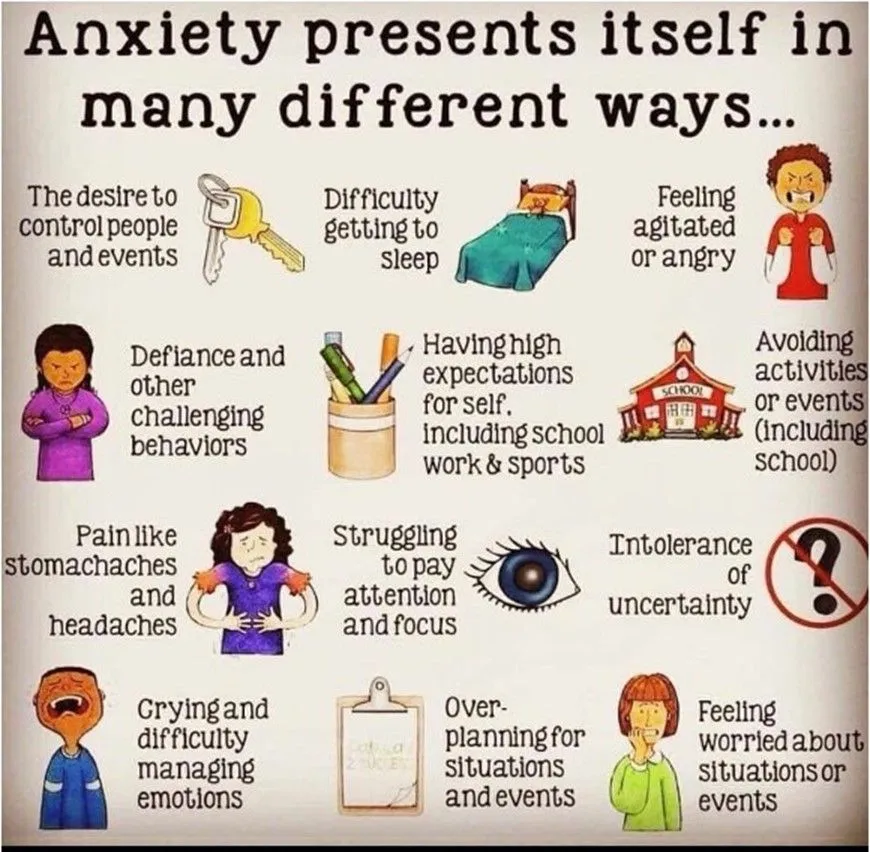
Parents: Trust your gut!
“Behavior is the language of trauma. Children will show you before they tell you they are in distress” – Micere Keels
Parents often come to therapy asking for help for their children stating, “You’re the expert”. I may be well educated in my field of study and have worked with many children over the years, however when it comes to your child, I will fully admit I am NOT an expert. Please don’t ever underestimate your instinct to know something is wrong or that your child is struggling. Identifying an issue is a big part of the equation. Once a problem is identified as a parent, we seek out the advice of professionals that have more experience or knowledge in that particular area. As a professional I rely on parental observation and collaborative information to make recommendations that I feel would be helpful for your particular child. If you feel that something is impacting your child, please do not hesitate to see guidance. Worst case scenario is your child feels loved and cared for and you are reassured that everything is developing appropriately. Being a mom of a child with Global Developmental Delays, it wasn’t always easy. I remember asking the doctor about the shape of my child’s eyes being different than ours, excessive sleeping and a host of other concerns. Well-meaning friends and family would minimize things and tell me I was being paranoid. After two years of second guessing myself I finally sought out the advice of professionals. The empathy and support of seasoned professionals has been a game changer. Trust your guts and if you see your child struggling, we are here to help. It takes a village, and we are just one member of the tribe!

Communication Tools for Couples:
One of the best ways to hold a marriage together and for each to feel loved and respected. Here are some tools to counteract difficulties. When there is Criticism respond with, I statement’s and focus on your feelings and needs. Regularly express gratitude and affection to your partner. Thank you’s and “that meant a lot” go a long way in making a partner feel valued. Take responsibility for your part in conflict. Problems in relationships are never all one-sided. Two contribute, maybe not evenly but they both contribute. Take a break from conversations especially if they become too intense. It is often helpful to ask for space and give a specific time you will meet back together to continue the discussion. The specific time to meet back together is important because then your partner feels valued and important. Instead of being part of the problem, be a part of the solution. Identify the problem, discuss possible solutions, agree on a solution or compromise and then follow it up to see how each partner feels about the effectiveness of the solution. The other suggestion is to use the “sandwich technique” Start by saying something Positive, then the negative and follow up with a positive. (Example: I loved the dinner you made me last night, but I am trying to eat less red meat. It felt so good that you cared enough to make dinner and maybe next time I can help you if you want or at least do the dishes) Relax and enjoy each other. Life is short and you never know when your time together will end.

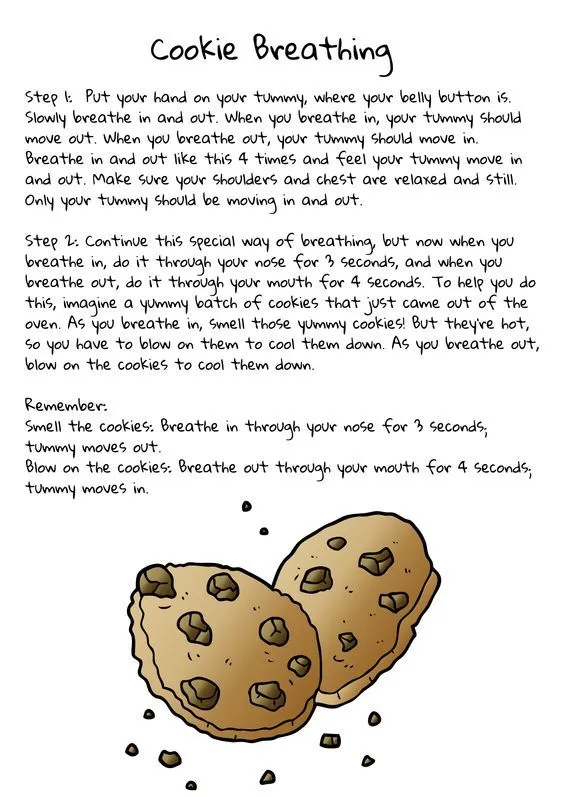
Having your environment in disarray is more than just an eyesore. It is a constant drain on your energy. Every time you see it you are reminded of the tidying up you need to do and how overwhelmed you are. Most people crave both order and serenity in their environment and psychologically. Mentally we have a long to-do list for tasks other than just in your environment. Order and the clearing of both types of clutter can lead to an elevation in mood and yes happiness. Start small. Unclutter the tops of your counters, clean out a drawer in your dresser or make the bed. These simple acts can leave you feeling happier, more grounded and have an increased level of control. Put items away in their rightful spot or get rid of them. A useful rule is “If you haven’t used the item in a year get rid of it”. Donate, sell or throw if in bad shape but free up the space and decrease the clutter. There are several types of clutter: Nostalgic clutter, conservation clutter, bargain clutter, freebie clutter crutch clutter, aspirational clutter, outgrown clutter, buyers’ remorse and Mental clutter. There is no benefit and in fact comes with a lot of negativities. This is one type of immediate gratification that is good for you! So, when you are feeling overwhelmed Mentally and your environment is a wreck, purge, organize and tidy. It will have multiple positive effects on your psyche and it’s cheap and effective!
Finding ways to Boost Energy – Mentally and Physically
It is the hope that with more vitality we can stick towards more positive and healthy goals. When you are feeling more energetic you often feel happier, your self esteem goes up and you feel more in control. When you are feeling tired everything feels like hard work, even simple tasks. You tend to feel more overwhelmed and less motivated. Let’s tackle sleeping first. A good night’s sleep makes us feel rested, stronger and more in control whereas a poor night’s sleep impairs your memory, makes you feel sluggish and less happy. Start simple, turn off the lights and all things electronic. Going to bed earlier and getting a solid eight hours of sleep can leave you refreshed, inspired and motivated. Turn your room into a haven. Take the time to decorate the room in the colors you feel most relaxed in, keep the temperature cool, keep it quiet and keep it uncluttered! Try exercising 20 minutes a day 3 times a week. This will help you instill routines. Walking is a great exercise that will release stress, will help you to think more clearly, feel more accomplished, and boosts energy. People often feel tired from working in dark or dim areas. Just a few minutes of sunlight each day helps the production of serotonin, dopamine and brain chemicals that improve your mood. By utilizing these tools, you can place your body and mind in the best position possible to feel rested, relaxed, happy and in control. I saw a part in a movie one time where a young boy who had just passed away was asked “What was your favorite thing about living “and his answer was “Pajamas”. I totally get it. One of my guilty pleasures in life is the feeling of getting out of the shower, putting on fresh clean pajamas and hopping into a bed made with fresh clean sheets in a room that is quiet, dark, cool and clean. Get in tune with your body and mind. Pay attention to what your ideal sleeping and resting needs are. Find what you need to ground yourself and to set yourself up for success the best way you can. You’re worth it! Putting your best foot forward to start the day not only benefits you but it also has a positive impact on those around you. Set the stage and reap the rewards of more energy and happiness.
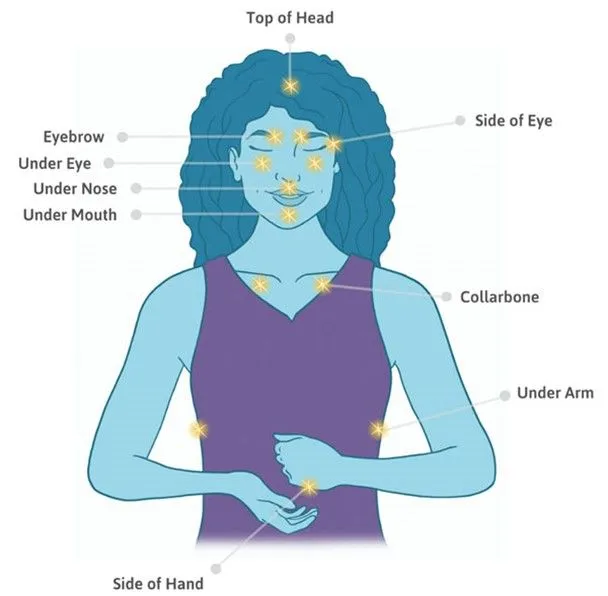
Effects of Sensory Processing Disorder on Mental Health
Sensory processing disorders are quite common but often overlooked or un-diagnosed. Those who struggle with Sensory Processing Disorder can present as rigid, anxious, distracted, fearful and many other presentations that are often misunderstood. A child who cringes at tags in their clothes may be resistant to getting dressed or wearing certain clothing and may appear to be oppositional when they are truly just experiencing high levels of discomfort. There are many ways Sensory Processing Disorders impact on our overall mental health. It is something that Mental Health Clinicians should be aware of when performing an assessment. Working closely in conjunction with an Occupational Therapist can help to relieve feelings of discomfit, while working with a Mental Health Clinician can be an equally impacting benefit. Keeping an open mind during assessments and referring a client out for further evaluation is not “passing the buck”. It is the addition of another skill set to help balance and meet all the needs of a client.
Signs and symptoms of sensory processing disorder
The symptoms of SPD will vary from person to person in both type and severity. Some individuals with sensory processing disorder will be overly responsive to stimuli, while others may not respond at all. For example, one person may scream in pain when gently touched, while another person may be incapable of feeling pain at all. Different symptoms that may be present across the spectrum of SPD severity may include:
Behavioral symptoms:
- Sudden aggressive outbursts
- Throwing tantrums
- Has a difficult time engaging in conversations or play
- Excessively high or excessively low activity level
- Blinks, squints, or rubs one’s eyes frequently
- Resists certain grooming activities
- Illegible handwriting
Physical symptoms:
- Impaired coordination
- Bumping into things
- Overly sensitive to, or incapable of sensing, touch
- Abnormally high or low pain threshold
- Fine and/or gross motor delays
- Avoids eating certain foods due to texture or consistency
Cognitive symptoms:
- Speech and language delays
- Inability to remain focused
- Poor attention span
- Overly sensitive to volume or frequency of sounds
- Becomes easily overstimulated in group settings
Psychosocial symptoms:
- Low sense of self-worth
- Onset of anxiety
- Onset of depression
- Difficulty developing a sense of independence
I have seen numerous children brought to therapy by parents labeling them as Confrontational, Inflexible, Difficult, Angry or Anxious when these behaviors were a result of Sensory Processing Disorders not Mental Health issues. First and foremost, I am a Mental Health Counselor however I am trained to look at all possible impacting factors and am more then happy to have a team approach to helping a child feel more comfortable in their own skin. Do any of these symptoms resonate with you or your child?
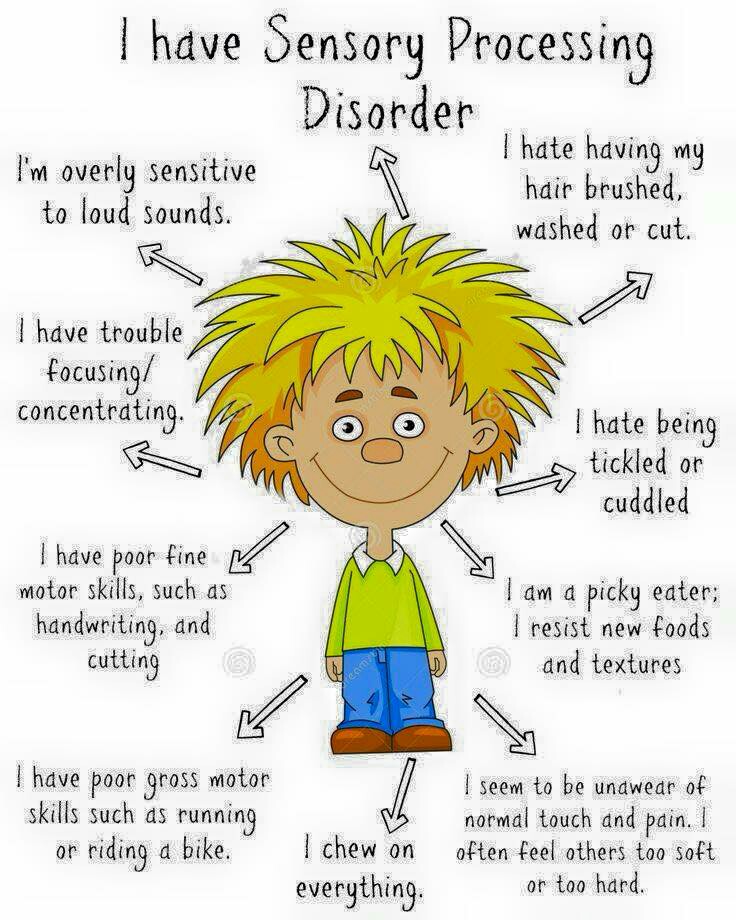
Key phrases to disarm a narcissist:
Dealing with a narcissist can be challenging, and it’s important to approach such interactions with care and tact. Here are some key phrases that can help you navigate conversations with a narcissist while trying to de-escalate conflicts and maintain a healthy dynamic:
Interacting with a Narcissist can be exhausting. These interactions may leave you feeling trampled, manipulated, powerless, confused and uncertain among many other feelings. One of the most important factors to have a successful outcome is to not through gasoline on the fire. By remaining coming and changing how you react to them will give you back power and control. Entering a shouting match or going head-to-head is never a positive outcome. Disengaging and diffusing a situation are great tools for retaining your sense of self and not being manipulated or intimidated. Dealing with a Narcissist can be difficult because most often you will never receive validation for your thoughts or feelings from the Narcissist. Stop looking for this from them. Looking internally, to friends, supporters and others whom you trust for validation. Please find below some great phrases to use. These phrases will help to diffuse interactions while allowing you to stay true to yourself.
- “I understand your perspective.” Acknowledging their point of view can help diffuse tension and show that you’re open to hearing them out.
- “Let’s find a solution together.” Suggesting cooperation can redirect the conversation toward problem-solving rather than focusing on blame or conflict.
- “I appreciate your input.” This shows that you value their contributions, even if you don’t entirely agree.
- “I’d like to hear more about what you’re feeling.” Encouraging them to express their emotions can sometimes help them feel understood and less defensive.
- “Can we take a step back and approach this calmly?” Suggesting a pause can prevent a situation from escalating further.
- “I’m committed to finding common ground.” Expressing your commitment to finding a resolution emphasizes that your goal is mutual understanding.
- “Let’s focus on the issue, not personal attacks.” Reminding them to stick to the topic at hand can help keep the conversation productive.
- “I believe we can work this out respectfully.” Conveying your belief in a positive outcome can encourage them to be more cooperative.
- “Your insights are valuable.” Recognizing their expertise or knowledge can help ease their need for constant validation.
- “I’m interested in your thoughts, but I also have some concerns.” This phrase balances acknowledging their perspective while introducing your own.
- “Let’s consider the impact on everyone involved.” Encouraging them to think beyond themselves can help broaden their perspective.
- “I want us to communicate openly and honestly.” Emphasizing the importance of open communication can encourage more constructive dialogue.
- “We’re all still learning and growing.” Gently reminding them that personal growth is ongoing can help mitigate their defensiveness.
- “I value our relationship and want it to thrive.” Expressing your desire for a positive relationship can resonate with your narcissistic partner’s need for admiration.
- “Let’s agree to disagree and respect our differences.” Sometimes, acknowledging that differences exist and can coexist peacefully is the best approach.
Remember that interactions with narcissists can be complex, and these phrases might not work in every situation. It’s essential to prioritize your emotional well-being and set healthy boundaries. If you’re dealing with a particularly difficult or abusive situation, consider seeking support from a therapist, counselor, or support group.
The Importance of a Survival Kit to Help with Anxiety and Panic Attacks:
Panic attack survival kit
The thing is, when we focus on panic attack symptoms, they become more intense. The key to stopping or minimizing any panic attack is to focus on your external world (sights, sounds, sensations) rather than the internal signs (heart racing, scary thoughts or rapid breathing).
To stop a panic attack, focus on your five senses.
Ever heard of a panic attack survival kit? If you or someone you love has dealt with panic attacks before, you know they can come on without warning. You can use these five tips to put together a small bag of items to reach for the next time a panic attack strikes. We utilize these often in Therapy helping children, teens and adults create a kit that is personalized for them.
1. Sensory grounding with ice or cold water
If you have a washcloth and a water bottle, you have a good start to a panic attack survival kit. Sometimes panic attacks make people feel uncomfortably hot. A damp washcloth around the neck or face can ease this feeling and give you a sensation to think about.
3 ways water can calm a panic attack:
- Hold an ice cube in your hand and focus on the sensation
- Place a cold, wet washcloth on the back of your neck
- Dunk your head into a bowl of ice water
One item we may recommend for a survival kit is an instant ice pack. This can be utilized in a moment’s notice to gain relief by cracking in to it and placing it on the back of your neck to decrease the uncomfortable feelings associated with a Panic Attack.
2. Focus on your five senses
"Focus on your external reality, rather than the symptoms " "Use the five senses to ground yourself in the moment." Be curious about your environment. What can you see, hear, touch, smell or taste?
This is where you can add tactile items to your kit: a fidget spinner, stress ball or a squishy toy. Often, we recommend to our families that parents practice this technique with their children as part of their bedtime routine to help relieve stress and to become mindful about their environment.
3. Warhead sour candy trick
Sucking on sour candy, like a Warhead, is another technique to shift your attention. If you don't have any sour candies around, you might try something else with a strong flavor – hot sauce, horseradish or wasabi – instead. Some prefer the taste of Peppermint or Lemon. Altoids are great for Survival kits.
4. Coping statements
A coping statement is one way you can practice soothing self-talk during a panic attack. Concentrate on the words and how they sound to get your mind off the symptoms. Some examples of coping statements include:
- This feeling is uncomfortable but not dangerous
- This will pass
- I can get through this
- I'm not having a heart attack
You can write one or more of these coping statements down to keep in your survival kit. With some of our clients we will also laminate an index card with positive affirmations and breathing techniques for quick reference in their survival kits.
5. Breath work in any environment
The above tips can be difficult to do in a crowded spot or if you don't have the kit with you. Luckily, breath work techniques can be done anywhere, anytime.
"Depending on your environment, you can try progressive muscle relaxation, meditation or square breathing,"
Square breathing uses four actions, each lasting for about four seconds.
Square breathing instructions:
- Breathe in through your nose while counting to four
- Hold your breath for a count of four
- Exhale slowly to a count of four
- Hold your breath for a count of four
Repeat these four actions, for as long as you want to. And finally, don’t underestimate the effectiveness of a good old-fashioned Brown Bag. We also recommend a small bottle of bubbles. To effectively blow a bubble, we must slow our breathing down to be slow and steady.
Let’s face it. Panic Attacks and Anxiety can make you so uncomfortable and make you feel as if you are losing control. Sometimes your skin is crawling. You do not have to lose your power to control your body during one of these episodes! By creating a survival kit and learning these techniques to self-regulate and come down you now have the power to decrease discomfort and stress and to feel better much quicker. You can do this! Take back your power and feel in control again.
Helpful Ideas to Lift Depression Without Using Medications. -
Being depressed can make you feel helpless. You're not. Along with therapy and sometimes medication, there's a lot you can do on your own to fight back. Changing your behavior -- your level of physical activity, lifestyle, and even your way of thinking -- are all natural ways to combat depression.
These tips can help you feel better -- starting right now.
1. Get in a routine. If you’re depressed, you need a routine.
Depression can strip away the structure from your life. One day melts into the next. Setting a gentle daily schedule can help you get back on track.
2.Try setting goals. When you're depressed, you may feel like you can't accomplish anything. That makes you feel worse about yourself. To push back, set daily goals for yourself.
3.Add exercise to your life. It temporarily boosts feel-good chemicals called endorphins. It may also have long-term benefits for people with depression. Regular exercise seems to encourage the Brain rewire itself in positive ways.
How much exercise do you need? You don’t need to run marathons to get a benefit. Just walking a few times a week can help.
4. Eat healthy. There is no magic diet that fixes depression. It's a good idea to watch what you eat, though. If depression tends to make you overeat, getting in control of your eating will help you feel better.
Although nothing is definitive, There's evidence that foods with omega-3 fatty acids (such as salmon and tuna) and folic acid (such as spinach and avocado) could help ease depression.
5. Get adequate Sleep Depression can make it hard to get enough shut-eye, and too little sleep can make depression worse.
What can you do? Start by making some changes to your lifestyle. Go to bed and get up at the same time every day. Try not to nap. Take all the distractions out of your bedroom -- no computer and no TV. In time, you may find your sleep improves.
6. Take on responsibilities. When you’re depressed, you may want to pull back from life and give up your responsibilities at home and at work. Don't. Staying involved and having daily responsibilities can help you maintain a lifestyle that can help counter depression. They ground you and give you a sense of accomplishment.
If you're not up to full-time school or work, that’s fine. Think about part-time. If that seems like too much, consider volunteer work.
7. Challenge negative thoughts. In your fight against depression, a lot of the work is mental -- changing how you think. When you're depressed, you leap to the worst possible conclusions.
The next time you're feeling terrible about yourself, use logic as a natural depression treatment. You might feel like no one likes you, but is there real evidence for that? You might feel like the most worthless person on the planet, but is that really likely? It takes practice, but in time you can beat back those negative thoughts before they get out of control.
8. Check with your doctor before using supplements. "There's promising evidence for certain supplements for depression.Those include fish oil, folic acid, and SAMe. But more research needs to be done before we'll know for sure. Always check with your doctor before starting any supplement, especially if you’re already taking medications.
9. Do something new. When you’re depressed, you’re in a rut. Push yourself to do something different. Go to a museum. Pick up a used book and read it on a park bench. Volunteer at a soup kitchen. Take a language class.
"When we challenge ourselves to do something different, there are chemical changes in the brain. Trying something new alters the levels of the brain chemical called dopamine, which is associated with pleasure, enjoyment, and learning."
10. Try to have fun. If you’re depressed, make time for things you enjoy. What if nothing seems fun anymore? That's just a symptom of depression.You have to keep trying anyway.
37 Techniques to Calm an Anxious Child
Imagine, you are driving in the car. You look in the rearview mirror and see your child trying to shrink into her seat.
“What’s wrong?” you ask.
“I don’t want to go to the birthday party.”
“But you’ve been excited all week. There will be cake and games and a bounce house. You love all of those things,” you try to reason.
“But I can’t go. There will be lots of people there I don’t know. No one will play with me. My tummy hurts.”
Sound familiar? As a parent of an anxious child, you might regularly find yourself in situations where no matter what you try, what effort you make, what compassion you offer, or what love you exude, nothing seems to help quash the worry that is affecting your little one’s everyday interactions.
In my work with anxious children, I have found it tremendously beneficial for both parents and kids to have a toolkit full of coping skills from which to choose. As you know, every child is different and some of the tools described below will resonate more than others. When you pick one to work with, please try it at least two to three times before making a judgment on whether it suits your child and family.
Here are 37 techniques to calm an anxious child:
Write it out
- Write it out and then throw it out—In a study published in Psychological Science, people were asked to write what they liked or disliked about their bodies. One group of people kept the paper and checked it for errors, whereas the other group of people physically discarded the paper their thoughts were written on. The physical act of discarding the paper helped them discard the thoughts mentally, too. Next time your child is anxious, have her write her thoughts on a paper and then physically throw the paper out. Chances are, her perspective will begin to change as soon as the paper hits the trash can.
- Journal about worries—Researchers at Harvard found that writing about a stressful event for 15 minutes, for four consecutive days, can lessen the anxiety a person feels about that event. Although the person may initially feel more anxiety about the stressor, eventually the effects of writing about anxious events relieved anxious symptoms for up to six months after the exercise. Make journaling about anxious thoughts a habit with your child.
- Create “worry time”—In the movie Gone with the Wind, Scarlett O’Hara often says, “I can’t think about that now. I’ll think about it tomorrow.” A similar concept works for anxious children. Set aside a designated “worry time” for 10-15 minutes on a daily basis. Choose the same time each day and the same spot and allow your child to write down his worries without worrying about what actually constitutes a worry. When the time is up, have him drop the worries in a box, say goodbye to them, and move on to a new activity. When your child begins to feel anxious, remind him that it isn’t “worry time” yet, but reassure him that there will be time to review his anxiety later.
- Write a letter to yourself—Dr. Kristen Neff, a professor at the University of Texas, Austin, and a pioneer in the field of self-compassion, created an exercise where people were asked to write a letter as though they were not experiencing stress or anxiety but rather their best friends were. From this exercise they were able to examine themselves and their situation objectively and apply a level of compassion to themselves that they often reserve for other people. Next time your child feels anxious, have them write a letter that begins “Dear Me” and then ask them to continue writing in the voice of their best friend (real or imaginary).
Have a debate (with yourself)
- Talk to your worry—Personification of a worry allows children to feel as though they have control over it. By giving anxiety a face and a name, the logical brain takes over and begins to place limitations on the stressor. For young children, you can create a worry doll or character for them that represents worry. Next time a worried thought arises, have your child try to teach the doll why they shouldn’t worry. As an example, check out Widdle the Worrier.
- Recognize that thoughts are notoriously inaccurate—Psychologist Aaron Beck developed a theory in behavioral therapy known as “cognitive distortions.” Simply put, these are messages our minds tell us that are simply untrue. When we help our children recognize these distortions, we can begin to help them break them down and replace them with truths. Read through and use this list as a reference with your child. Depending on their age, change the language for greater accessibility.
- Jumping to conclusions: judging a situation based on assumptions as opposed to definitive facts
- Mental filtering: paying attention to the negative details in a situation while ignoring the positive
- Magnifying: magnifying negative aspects in a situation
- Minimizing: minimizing positive aspects in a situation
- Personalizing: assuming the blame for problems even when you are not primarily responsible
- Externalizing: pushing the blame for problems onto others even when you are primarily responsible
- Overgeneralizing: concluding that one bad incident will lead to a repeated pattern of defeat
- Emotional reasoning: assuming your negative emotions translate into reality, or confusing feelings with facts
Self-soothe
- Give yourself a hug—Physical touch releases oxytocin, a feel-good hormone, and reduces the stress hormone cortisol in the bloodstream. The next time your child feels anxious, have her stop and give herself a warm hug. She can hug herself discreetly by folding her arms and squeezing her body in a comforting way.
- Rub your ears—For thousands of years, Chinese acupuncturists have used needles to stimulate various points in a person’s ears to treat stress and anxiety. Similar benefits are available to your child simply by having him apply pressure to many of these same points. Have him begin by lightly tracing the outline of his outer ear several times. Then using gentle pressure, have him place his thumbs on the back of his ears and his forefingers on the front. Have him count to five and then move his finger and thumb downward to a point just below where they started. Have your child repeat the process until he has squeezed both earlobes for five seconds each.
- Hold your own hand—Remember the safety you felt when you held your parent’s hand as you crossed the street? As it turns out, hand-holding has both psychological and physiological benefits. In one study, researchers found that hand-holding during surgery helped patients control their physical and mental symptoms of anxiety. Have your child clasp her hands together, fingers intertwined, until the feelings of anxiety begin to fade.
Understand worry
- Understand the origin of worry—Anxiety and worry have biological purposes in the human body. Once upon a time, anxiety was what kept our hunter and gatherer relatives safely alert while they searched for food. Even today, worry and anxiety keep us from making mistakes that will compromise our safety. Help your child understand that worry and anxiety are common feelings and that he gets into trouble only when his brain sounds the alarm and he does not allow logical thoughts to calm him down.
- Learn about the physical symptoms of worry—We often think of anxiety as a mental state. What we don’t think about is how worry creates physical symptoms as well. Cortisol and adrenaline, two of the body’s main stress hormones, are produced at a rapid rate when we experience anxiety. These are the “fight or flight” hormones that prepare our bodies to either fight or run from something dangerous. Our heart rates increase, and our breathing gets fast and shallow; we sweat, and we may even experience nausea and diarrhea. However, once your child is familiar with the physical symptoms of anxiety, he can recognize them as anxiety and use any of the strategies in this article rather than worry that he is sick.
Use your body
- Stretch—A study published in the Journal of Developmental and Behavioral Pediatrics showed that children who practice yoga not only experience the uplifting benefits of exercise but also maintain those benefits long after they are done with their practice. Even if you or your child is unfamiliar with yoga poses, the process of slow, methodical stretching can provide many of the same benefits.
- Push against a wall—For some children, trying to breathe deeply or relax through meditation only causes more anxiety. “Am I doing this right? Everyone thinks I’m crazy. I forgot to breathe that time.” The act of physically tensing the muscles will create a counterbalancing release when they are relaxed, resulting in the relaxation more passive methods may not provide. Have your child push against the wall with all of her might, taking great care to use the muscles in her arms, legs, back, and stomach to try to move the wall. Have her hold for a count of 10 and then breathe deeply for a count of 10, repeating three times.
- Practice chopping wood—In yoga, the Wood Chopper Pose releases tension and stress in the muscles by simulating the hard labor of chopping wood. Have your child stand tall with his legs wide and arms straight above as though he is holding an ax. Have him inhale and, with the full force of his body, swing the imaginary ax as though he is chopping wood and simultaneously exhale a “ha.” Repeat.
- Try progressive muscle relaxation—This relaxation exercise includes two simple steps: (1) Systematically tense specific muscle groups, such as your head, neck, and shoulders etc., and then (2) Release the tension and notice how you feel when you release each muscle group. Have your child practice by tensing the muscles in her face as tightly as she can and then releasing the tension. Here is a great script for kids (pdf).
- Use the Emotional Freedom Technique (EFT)—EFT combines tapping acupressure points in the body with verbalizing positive affirmations. Using his fingertips, have your child gently but firmly tap the top of his head, his eyebrows, under his eyes, under his nose, his chin, his collarbone, and his wrists while saying positive things about his situation. The idea is that the body’s natural electromagnetic energy is activated and associated with positive affirmations, thereby reducing anxiety.
- Strike a power pose—Anxiety makes your child want to physically shrink. However, research has shown that holding a powerful pose for just two minutes can boost feelings of self-confidence and power. Have your child pose like her favorite superhero, with her hands on her hips, ready for battle, or strike a pose like a boss leaning over a table to drive a point home, hands planted on the table top.
- Sweat it out—Exercise releases endorphins, the feel-good chemicals in our bodies. Exercise that is more intense than your child’s normal physical activity level can actually reduce his body’s physical response to anxiety.
- Fall into Child’s Pose—Have your child assume the Child’s Pose, a pose in yoga that is done by kneeling on the floor and bringing the body to rest on the knees in the fetal position. The arms are either brought to the sides of the legs or stretched out over the head, palms on the floor.
Disconnect to reconnect
- Do a tech detox—Studies show that modern technology is adversely correlated to sleep and stress—especially in young adults. Challenge your child to spend a week without video game systems or smartphones, and encourage her to be more creative with her time.
- Walk in nature—A Stanford study showed that exposure to green spaces has a positive cognitive effect on school children. Going for a walk in nature allows your child to reconnect with tangible, physical objects; calms his mind; and helps his logical brain to take over for his anxious brain.
Befriend water
- Drink more water—Although dehydration rarely causes anxiety on its own, because our brains are 85% water, it can certainly make its symptoms worse. Make sure your child is getting adequate amounts of water in a day. The basic rule of thumb is to drink one-half to one ounce of water per pound of body weight. So if your child weighs 50 pounds, he should drink 25 to 50 ounces of water every day.
- Take a cold or hot bath—Hydrotherapy has been used for centuries in natural medicine to promote health and prevent disease. Just 10 minutes in a warm bath or cold shower can have profound effects on the levels of anxiety your child is experiencing.
Practice mindfulness
- Observe your “train of thoughts”—Have your child imagine her anxious thoughts are like trains coming into a busy station. Sometimes they will slow down and pass by, and at other times they will stop at the station for a while. If the anxious thought stops at the station, have your child practice breathing slowly and deeply until the train pulls out of the station. As it fades, have your child “watch” as the train pulls away. This exercise teaches children that they don’t have to react to every thought that occurs to them. Some thoughts they can simply acknowledge and allow to leave without acting on them.
- Practice a five-by-five meditation—Have your child use each of his five senses to name five things he experiences with that sense. Again, this exercise roots your child in things that are actually happening rather than in things that mayhappen or could happen that are causing him to worry.
- Focus on your breath—The natural biological response to anxiety is to breathe shallowly and quickly. Focusing on breathing slowly and deeply will mitigate many of the body’s stress responses.
- Tune in with a body scan—Have your child close her eyes and check in with all of the parts of her body. Have her talk to each part and ask how it feels and if there is anything wrong. Then have her invite it to relax while she checks in with the other parts. This animation can be a fun way to practice a body scan meditation with your child.
- Practice cognitive defusion—The process of cognitive defusion separates the reaction your child is having from the event. It gives your child a chance to think about the stressor separately from his reaction to that stressor. Have your child talk about his feelings of anxiety as though his mind is a separate person. He might say something like “My mind does not want to go to the party, so it is making my stomach hurt.” By disconnecting the two, he can then talk to his mind as though it is a person and re-create his internal dialogue.
Listen
- Listen to music—It is challenging for your child to feel anxious when she is dancing to her favorite song. Crank up the tunes and sing along! Here is a loving-kindness meditation set to dance music you can listen to with your child.
- Listen to stories—Avid readers know how difficult it is to pry themselves away from a good book. Listening to audio books can help your child get lost in an imaginary world where anxiety and worry do not exist or are put into their proper perspective.
- Listen to guided meditations—Guided meditations are designed to be soothing to your child and help him relax by presenting images for his mind’s eye to focus on rather than focusing on the stressors.
- Listen to the uplifting words of another—Often, anxiety is rooted in a negative internal monologue. Have your child listen to your uplifting words or those of someone else to restructure that monologue into positive affirmations of herself.
Help someone else
- Volunteer—Researchers have long shown that “helper’s high” happens when people volunteer to help others without any expectation of compensation. Whether your child is helping a younger sibling do math homework or helping your neighbor weed her flower bed, volunteering is an easy way to alleviate his feelings of stress or anxiety.
- Be a friend and give someone else advice—Sometimes the advice we give others is really meant for ourselves. Encourage your child to tell you how you should react to a situation similar to what your child might be experiencing anxiety over. If she is worried about giving a presentation in class, have her tell you how to get over your anxiety about a work presentation. The same techniques your child is teaching you will come into play when she is faced with a similar situation.
- Turn your focus outward—Anxiety would have your child believe that he is the only one who has ever experienced worry or stress in a certain situation. In reality, many of his peers are likely experiencing the same feelings of worry. Encourage your child to find someone who may look nervous and talk to her or him about how she or he is feeling. By discussing his anxiety with his peers, your child will discover that he is not the only one to feel worry.
Embrace the worry
- Know that this too shall pass—One of the greatest lies the anxious brain tells your child is that she will feel anxious forever. Physiologically, it is impossible to maintain a high level of arousal for longer than several minutes. Invite your child to sit by you, and read a story or simply watch the world go by until the feelings of anxiety start to fade away. It sounds simple, but acknowledging that the “fight or flight” response won’t last forever gives it less power when your child begins to feel its effects.
- Worrying is part of our humanity—Anxiety, stress, and worry are all part of what makes us human. These biological and psychological responses are designed to keep us safe in situations we are not familiar with. Reassure your child that there is nothing wrong with feeling anxiety, that it simply alerts his body so that he can be on the lookout for danger. -by Renee Jain of Go Zen
Managing ADD and ADHD Behaviors
We all love our kiddos and at times they can be especially trying. For Children who struggle with ADD or ADHD it can be especially frustrating. I am a big fan of using rewards for good behavior rather then punishment for poor behavior. The more you look for positive behaviors and bringing those to light, and providing positive reinforcements the more you will see the positives and not the negatives. Here is a great article of what you can do to help.
Parenting Tips for ADHD: What you can do to help-
Raising a child with ADHD isn’t like traditional childrearing. Normal rule-making and household routines can become almost impossible, depending on the type and severity of your child’s symptoms, so you’ll need to adopt different approaches. It can become frustrating to cope with some of the behaviors which result from your child’s ADHD, but there are ways to make life easier.
Parents must accept the fact that children with ADHD have functionally different brains from those of other children. While children with ADHD can still learn what is acceptable and what isn’t, their disorder does make them more prone to impulsive behavior.
Fostering the development of a child with ADHD means that you will have to modify your behavior and learn to manage the behavior of your child. Medication may be the first step in your child’s treatment. Behavioral techniques for managing a child’s ADHD symptoms must always be in place. By following these guidelines, you can limit destructive behavior and help your child overcome self-doubt.
 Call For Appointment